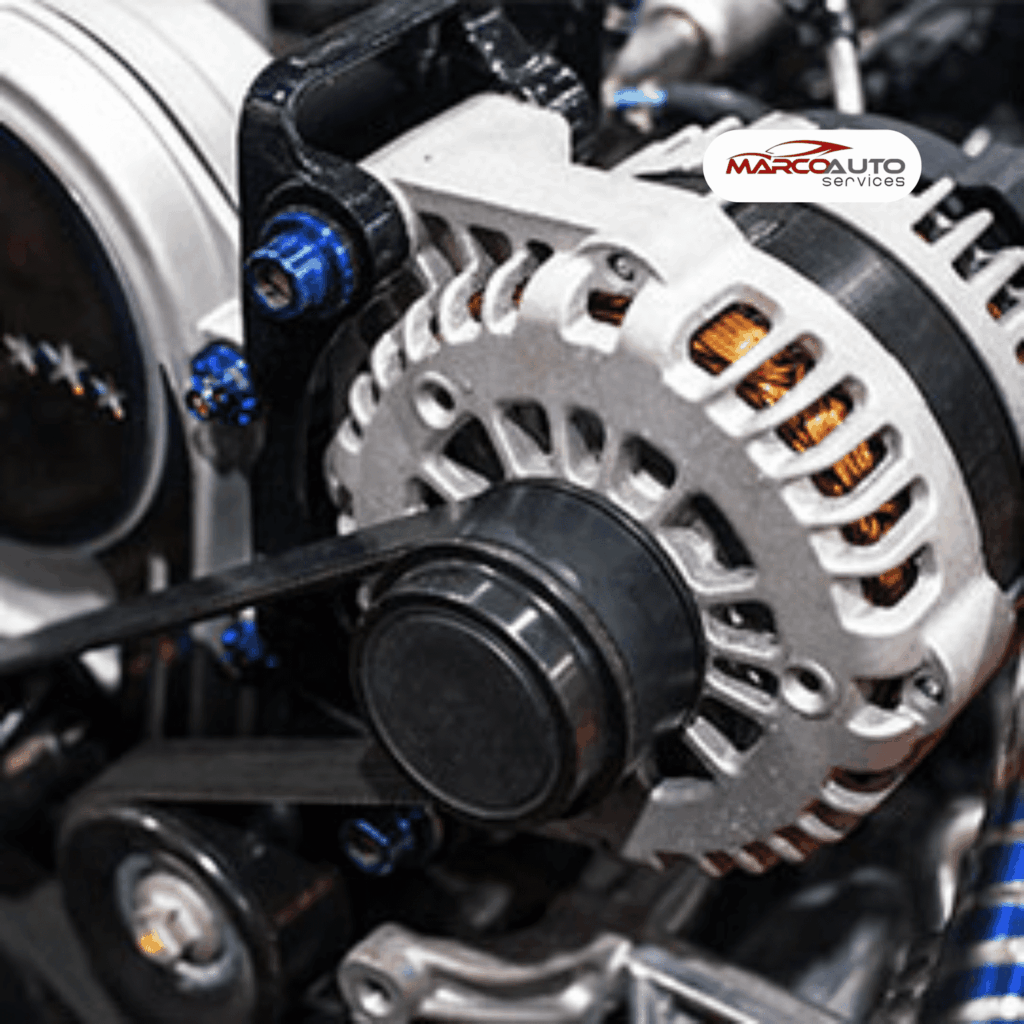
Starting issues or repeated battery deaths have causes that might be deeper than you think. To many average drivers, replacing a faulty alternator or a starter motor can be a daunting endeavor, but knowing what is happening can help save time and undue stress and avoid unnecessary expenses. Both the alternator and the starter motor are crucial to your vehicle’s electrical and ignition systems, respectively. Being aware of when and how to address them keeps your car dependable on the road.
Understanding the Role of the Alternator and Starter Motor
Before replacing a faulty alternator, it’s crucial that one understands what it does. The alternator powers your vehicle’s electrical system while the engine runs, charging the battery and ensuring all components-from headlights down to infotainment systems-work efficiently. In its absence, your car battery would die within minutes.
Similarly, the starter motor is the small but powerful device that turns your engine over when you turn the key or press the ignition button. If it fails, your car won’t start at all. While replacing a faulty alternator or a dead starter might seem technical, with proper knowledge and tools, even a careful DIY enthusiast can manage the task, or even better, seek expert assistance from professionals like Marco Autos.
Signs That Indicate You Need to Replace the Alternator
This means that the earlier the faulty alternator is detected, the better. Watch out for signs such as dimming headlights, a flickering dashboard, or a battery warning light that won’t go off. Other symptoms include strange noises under the hood or a burning rubber smell caused by worn-out belts.
If your car battery continued to drain even after charging, this could also signify that the alternator is not recharging it. When any of these signs start showing, it is time to consider replacing a faulty alternator before it leads to a breakdown on the road.
How to Prepare for Replacing a Faulty Alternator
Before starting to replace a faulty alternator, preparations are necessary. Basic tool needs include a ratchet set, wrench, screwdrivers, gloves, and safety glasses. Always disconnect the battery’s negative terminal before commencing work on the electrical system to avoid shocks or shorts.
It is also very important to purchase an alternator model compatible with your car’s make and engine type. Using the wrong one could cause charging issues or even damage your electrical system. Remember, even if you feel confident in the process of replacing a faulty alternator, having a professional inspect your vehicle after replacement simply ensures that everything is properly connected and aligned.
The Step-by-Step Process of Replacing a Faulty Alternator
Replacement of a faulty alternator is done through a number of careful steps:
Disconnect the battery: Always remove the negative terminal first to avoid electric shocks.
Locate the alternator: it is usually up front in the engine, connected by a serpentine belt.
Remove the belt: Loosen the tensioner pulley and carefully slide the belt off the alternator pulley.
Disconnect the electrical connectors: Take off all plugs and wiring harnesses that are connected to the alternator.
Unbolt the alternator: Remove the mounting bolts then pull out the defective alternator.
Install the new alternator: Mount it securely, reconnect the electrical connections, and reinstall the belt.
Reconnect the battery: Once everything is in place, reconnect the battery terminal and start the car to test.
This will ensure that the procedure for replacing a faulty alternator is done with safety and correctness.
Diagnosing Starter Motor Problems
While replacing a faulty alternator addresses the power generation problem, starter motor issues affect engine ignition. Among common signs that a car has a bad starter are clicking noises when the key is turned or grinding sounds, and sometimes the complete lack of engine response might even be mistaken for a dead battery.
Although it may seem that replacing a faulty alternator is more common, starters do require similar care in replacement. The starter usually rests at the bottom of the engine, attaching to the flywheel, meaning its removal requires more physical effort and attention to alignment.
Replacing a Starter Motor: What to Expect
Just like changing out a bad alternator, changing a starter motor starts with disconnecting the battery. You will then want to find the starter, disconnect the solenoid wire and mounting bolts, and carefully pull it out of its housing.
Installation of a new starter involves correct placement and tightening of the bolts to manufacturer specifications. Once you’ve reattached the wiring, reconnect the battery and test-start the vehicle. If it cranks smoothly, the job is a success. If there are strange noises or slow starts, you may need to recheck your connections or have Marco Autos verify the installation.
The Role of AI in Automotive Diagnostics
Interestingly, AI is changing how technicians tackle alternator replacement or diagnose a dead starter motor. Today’s modern vehicles have onboard diagnostic systems that employ AI algorithms in real time to detect voltage irregularities, current draw, and performance issues in the operation of the starter.
Imagine how things could change if, one day, the AI assistant in your car could predict alternator failure before it occurs. That would change how we handle vehicle maintenance, right? The use of predictive AI in automotive repair ensures faster diagnosis, lower repair costs, and fewer roadside emergencies. Technology is making replacing a faulty alternator a more proactive task rather than a reactive one.
Safety Tips During Replacement
Whether you’re replacing a faulty alternator or a starter motor, safety should always be number one. Avoid loose-fitting clothing, ensure your car is on a flat surface, and make use of jack stands if you need to lift the vehicle. Keep a fire extinguisher nearby and follow all safety guidelines from your vehicle’s service manual.
It’s also a good practice to double-check all wiring after replacing a faulty alternator to avoid short circuits. A small mistake could lead to electrical damage or even a fire hazard.
Why You Should Trust Professionals Such As Marco Autos
While many of our enthusiasts quite rightfully take pride in DIY repairs, the replacement of a faulty alternator or starter motor can sometimes be more complex than it seems. Professionals at Marco Autos have the right diagnostic tools, experience, and parts to assure the best performance of your car.
You save time by trusting experts and avoiding potential errors likely to cost more in the long run. For alternator replacement, you get to enjoy precision, efficiency, and peace of mind, which are what you will get at Marco Autos.
Conclusion: Let Marco Autos handle your alternator or starter motor replacement
Replacing a faulty alternator or a starter motor is not just an action of replacing a part; it is actually restoring the heartbeat of your car’s electrical system. Some drivers can do the job themselves; however, it is always safer and more effective to let professionals take on the work. Whether your car is displaying signs of power loss, flickering lights, or struggling to start, do not wait until it completely breaks down. Call Marco Autos today for dependable diagnostics and proficient service to replace your alternator or starter motor at an affordable price. Let Marco Autos get your car running again and your journeys uninterrupted.
Recent Comments