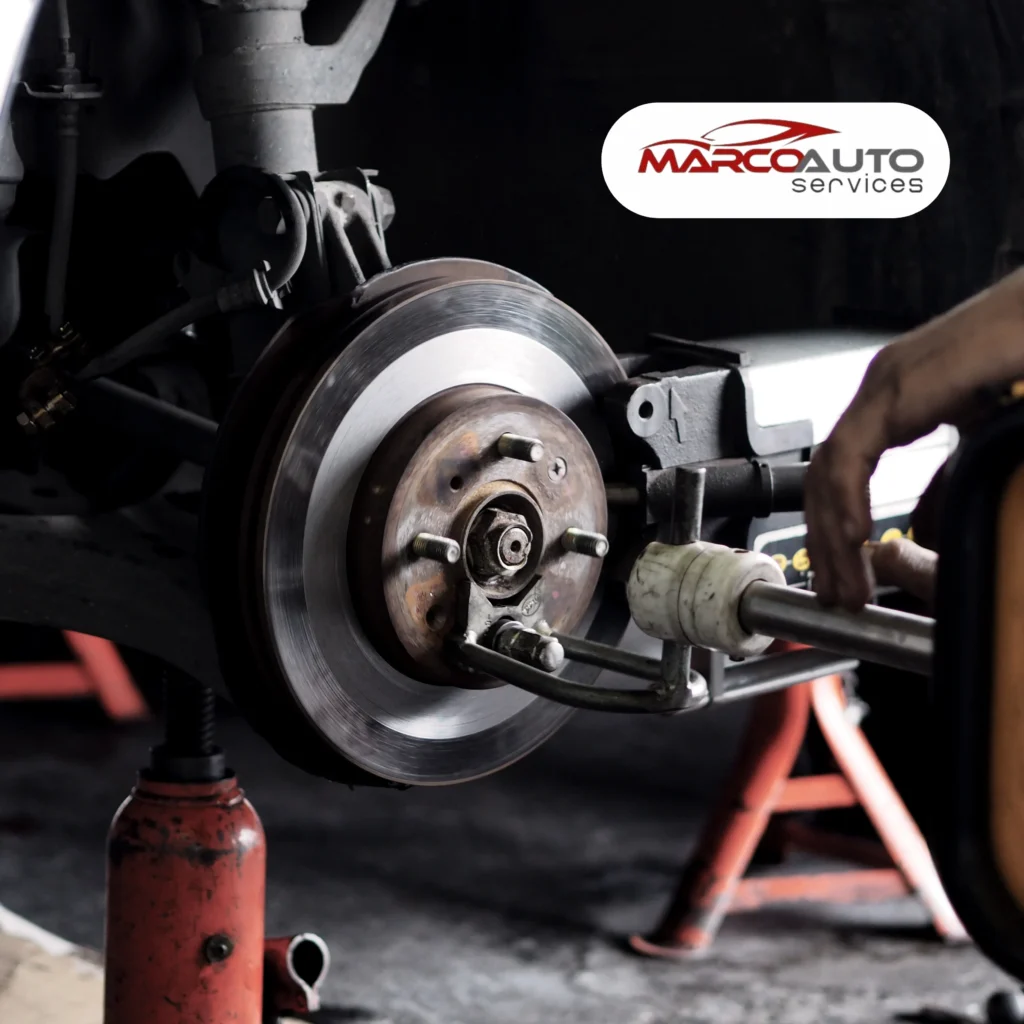
Hearing strange noises from your car can be unsettling, especially when it involves something as critical as your braking system. If you’ve ever noticed a high-pitched squeal or a harsh grinding sound when slowing down, it’s your vehicle signaling that something isn’t right. Understanding the causes behind these sounds is essential not just for your comfort, but for your safety on the road. Many drivers tend to ignore these warning signs until the issue worsens, but addressing them early can save you from costly repairs and potential accidents. In this article, we’ll break down the common reasons behind grinding brakes, what they mean, and how you can respond effectively.
Normal Wear and Tear
One of the most common causes of brake noise is simple wear and tear. Brake pads are designed to wear down over time as they create friction to stop your vehicle. As they thin out, a built-in wear indicator may begin to produce a squealing sound to alert you. This is a deliberate design feature, not a fault. However, if ignored, the pads can wear down completely, leading to grinding brakes, where metal components start rubbing against each other. Regular inspection and timely replacement of brake pads can prevent this progression and ensure your braking system remains efficient.
Worn-Out Brake Pads
Brake pads play a crucial role in your vehicle’s stopping power. When they are excessively worn, the protective friction material disappears, exposing the metal backing plate. At this stage, every time you press the brake pedal, metal grinds against the rotor, producing a harsh and unmistakable noise. This condition not only reduces braking efficiency but can also damage other components. If you notice grinding brakes, it’s often a clear indication that your brake pads need immediate replacement. Ignoring this can lead to more extensive and expensive repairs.
Damaged Brake Rotors
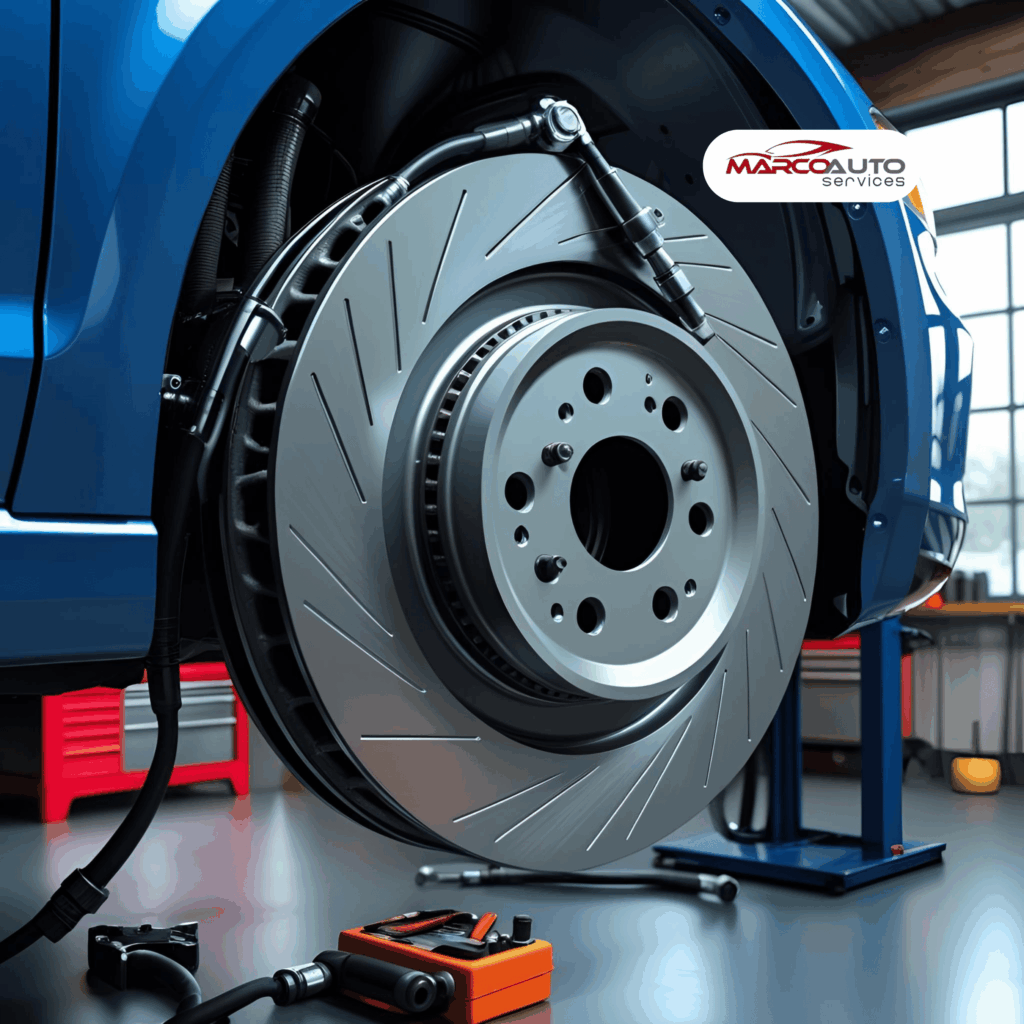
Brake rotors are the discs that your brake pads clamp onto to stop your car. Over time, they can become warped, scratched, or uneven due to heat and friction. When this happens, you may hear squealing or grinding sounds during braking. In severe cases, the uneven surface causes vibrations in the steering wheel. Grinding brakes can sometimes point to rotor damage, especially if the issue persists even after replacing the brake pads. Resurfacing or replacing the rotors is usually necessary to restore smooth braking performance.
Debris Between Brake Components
Sometimes, the issue isn’t wear but foreign objects. Small stones, dirt, or debris can get lodged between the brake pad and rotor, causing unusual noises. This can happen after driving on rough or unpaved roads. The sound may resemble grinding brakes, even though the brake components themselves are still in good condition. While this might seem minor, leaving debris in place can cause scratches or grooves on the rotor surface. A quick inspection and cleaning can often resolve this issue before it escalates.
Lack of Lubrication
Brake systems rely on proper lubrication at specific contact points to function smoothly. Components like caliper slides need to move freely to apply even pressure on the brake pads. When lubrication is insufficient or has worn off, parts can stick or move unevenly, leading to squealing or grinding noises. In some cases, this may mimic the sound of grinding brakes, even though the pads and rotors are still usable. Routine maintenance, including proper lubrication, helps prevent these issues and ensures optimal braking performance.
Moisture and Rust Build-Up
If your car has been parked for an extended period, especially in humid or rainy conditions, rust can form on the brake rotors. This thin layer of rust is usually harmless and wears off after a few braking cycles. However, in some cases, the rust buildup can be more significant, causing persistent noise. Drivers may interpret this as grinding brakes, but it often resolves on its own after driving for a short distance. If the noise continues, it may indicate deeper corrosion that requires professional attention.
Faulty Brake Hardware
Brake systems consist of various small components, including clips, shims, and springs, collectively known as brake hardware. These parts help keep everything aligned and reduce noise. When they become worn, loose, or damaged, they can cause vibrations and unusual sounds during braking. This can sometimes be mistaken for grinding brakes, even though the primary components are intact. Replacing faulty hardware is a relatively simple fix that can significantly improve braking performance and eliminate noise.
Driving Habits and Their Impact
Your driving style plays a significant role in how quickly your brakes wear out. Frequent hard braking, riding the brakes, or driving in heavy traffic can accelerate wear on brake pads and rotors. Over time, this increases the likelihood of experiencing grinding brakes. Adopting smoother driving habits, such as gradual braking and maintaining safe following distances, can extend the lifespan of your braking system and reduce the chances of encountering these issues.
Can AI Help Diagnose Brake Problems?
With advancements in automotive technology, artificial intelligence is beginning to play a role in vehicle diagnostics. Modern cars are equipped with sensors that monitor brake performance and alert drivers to potential issues. This raises an interesting question: could AI systems soon predict and prevent problems like grinding brakes before they even occur? While we’re not fully there yet, the integration of AI into vehicle maintenance is rapidly evolving, offering smarter and more proactive solutions for drivers.
When to Seek Professional Help
While some brake noises can be minor and temporary, others require immediate attention. Persistent squealing, grinding, or reduced braking efficiency should never be ignored. A professional mechanic can inspect your braking system, identify the root cause, and recommend the appropriate solution. If you’re experiencing grinding brakes, it’s especially important to act quickly, as continued driving can compromise your safety and lead to more severe damage.
Conclusion
Brake noises are more than just an annoyance, they are your vehicle’s way of communicating potential problems. Whether it’s worn-out pads, damaged rotors, or debris caught in the system, understanding the cause can help you take timely action and avoid costly repairs. Ignoring these warning signs, particularly grinding brakes, can put both you and others on the road at risk. For reliable inspection, maintenance, and expert advice, clients should reach out to Marco Autos. Their professional team can ensure your braking system is in top condition, giving you peace of mind every time you hit the road.
Recent Comments