Why Are My Brakes Squealing or Grinding?

grinding brakes

Hearing strange noises from your car can be unsettling, especially when it involves something as critical as your braking system. If you’ve ever noticed a high-pitched squeal or a harsh grinding sound when slowing down, it’s your vehicle signaling that something isn’t right. Understanding the causes behind these sounds is essential not just for your comfort, but for your safety on the road. Many drivers tend to ignore these warning signs until the issue worsens, but addressing them early can save you from costly repairs and potential accidents. In this article, we’ll break down the common reasons behind grinding brakes, what they mean, and how you can respond effectively.

Normal Wear and Tear

One of the most common causes of brake noise is simple wear and tear. Brake pads are designed to wear down over time as they create friction to stop your vehicle. As they thin out, a built-in wear indicator may begin to produce a squealing sound to alert you. This is a deliberate design feature, not a fault. However, if ignored, the pads can wear down completely, leading to grinding brakes, where metal components start rubbing against each other. Regular inspection and timely replacement of brake pads can prevent this progression and ensure your braking system remains efficient.

Worn-Out Brake Pads

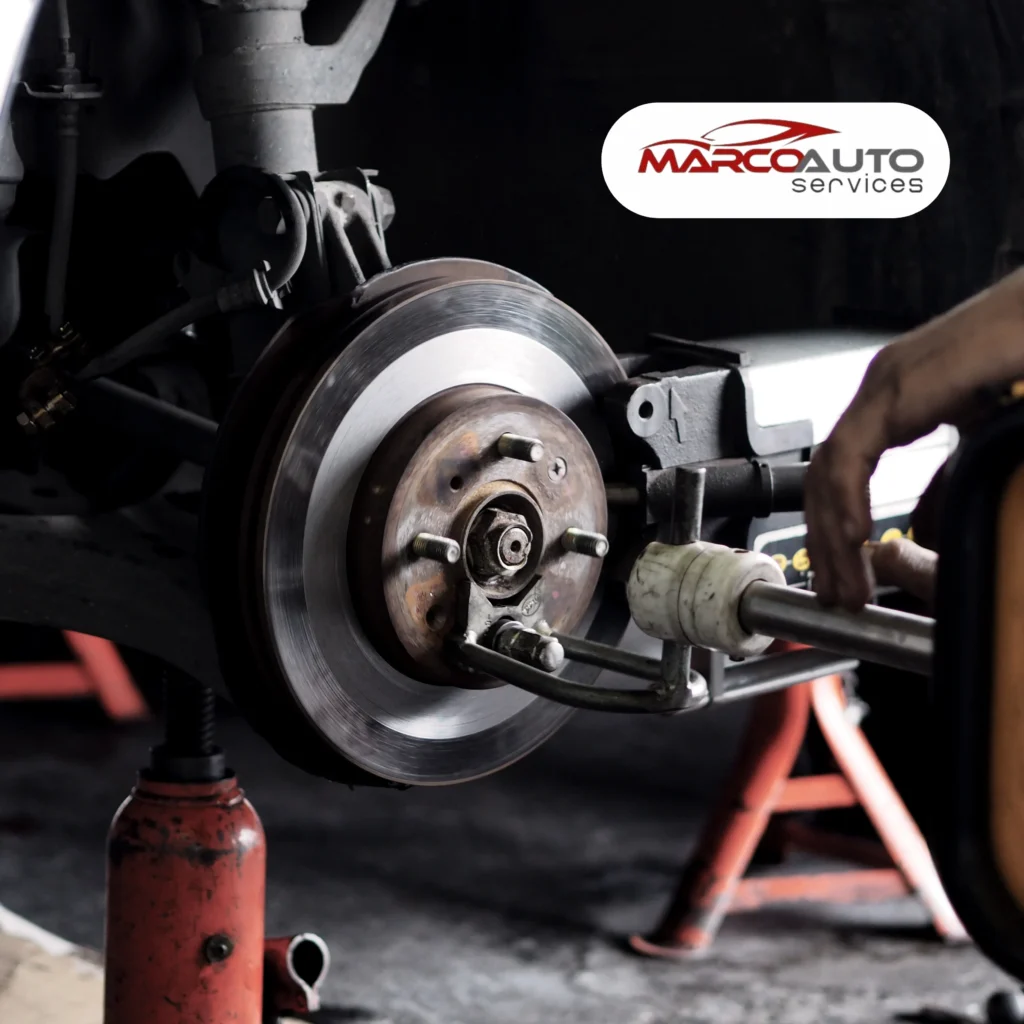
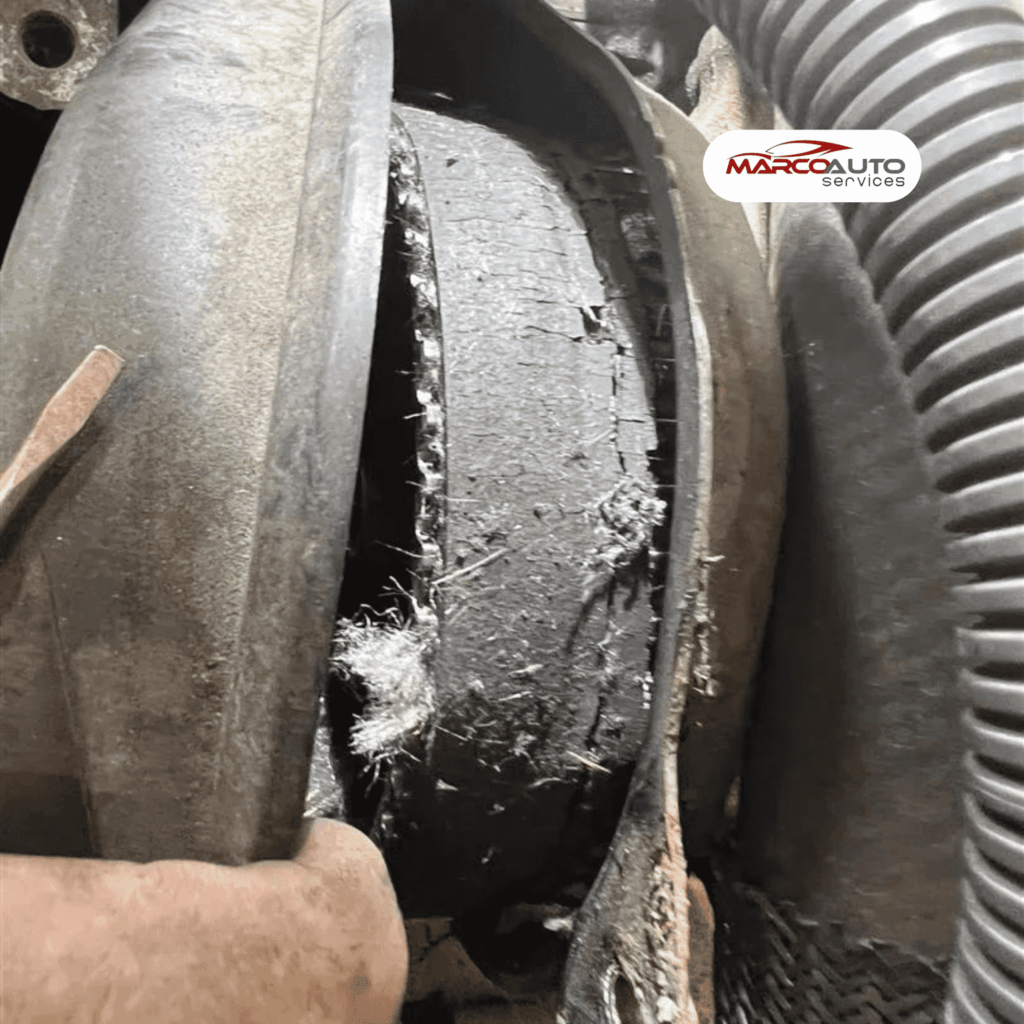
Brake pads play a crucial role in your vehicle’s stopping power. When they are excessively worn, the protective friction material disappears, exposing the metal backing plate. At this stage, every time you press the brake pedal, metal grinds against the rotor, producing a harsh and unmistakable noise. This condition not only reduces braking efficiency but can also damage other components. If you notice grinding brakes, it’s often a clear indication that your brake pads need immediate replacement. Ignoring this can lead to more extensive and expensive repairs.

Damaged Brake Rotors

Brake rotors are the discs that your brake pads clamp onto to stop your car. Over time, they can become warped, scratched, or uneven due to heat and friction. When this happens, you may hear squealing or grinding sounds during braking. In severe cases, the uneven surface causes vibrations in the steering wheel. Grinding brakes can sometimes point to rotor damage, especially if the issue persists even after replacing the brake pads. Resurfacing or replacing the rotors is usually necessary to restore smooth braking performance.

Debris Between Brake Components

Sometimes, the issue isn’t wear but foreign objects. Small stones, dirt, or debris can get lodged between the brake pad and rotor, causing unusual noises. This can happen after driving on rough or unpaved roads. The sound may resemble grinding brakes, even though the brake components themselves are still in good condition. While this might seem minor, leaving debris in place can cause scratches or grooves on the rotor surface. A quick inspection and cleaning can often resolve this issue before it escalates.

Lack of Lubrication

Brake systems rely on proper lubrication at specific contact points to function smoothly. Components like caliper slides need to move freely to apply even pressure on the brake pads. When lubrication is insufficient or has worn off, parts can stick or move unevenly, leading to squealing or grinding noises. In some cases, this may mimic the sound of grinding brakes, even though the pads and rotors are still usable. Routine maintenance, including proper lubrication, helps prevent these issues and ensures optimal braking performance.

Moisture and Rust Build-Up

If your car has been parked for an extended period, especially in humid or rainy conditions, rust can form on the brake rotors. This thin layer of rust is usually harmless and wears off after a few braking cycles. However, in some cases, the rust buildup can be more significant, causing persistent noise. Drivers may interpret this as grinding brakes, but it often resolves on its own after driving for a short distance. If the noise continues, it may indicate deeper corrosion that requires professional attention.

Faulty Brake Hardware

Brake systems consist of various small components, including clips, shims, and springs, collectively known as brake hardware. These parts help keep everything aligned and reduce noise. When they become worn, loose, or damaged, they can cause vibrations and unusual sounds during braking. This can sometimes be mistaken for grinding brakes, even though the primary components are intact. Replacing faulty hardware is a relatively simple fix that can significantly improve braking performance and eliminate noise.

Driving Habits and Their Impact

Your driving style plays a significant role in how quickly your brakes wear out. Frequent hard braking, riding the brakes, or driving in heavy traffic can accelerate wear on brake pads and rotors. Over time, this increases the likelihood of experiencing grinding brakes. Adopting smoother driving habits, such as gradual braking and maintaining safe following distances, can extend the lifespan of your braking system and reduce the chances of encountering these issues.

Can AI Help Diagnose Brake Problems?

With advancements in automotive technology, artificial intelligence is beginning to play a role in vehicle diagnostics. Modern cars are equipped with sensors that monitor brake performance and alert drivers to potential issues. This raises an interesting question: could AI systems soon predict and prevent problems like grinding brakes before they even occur? While we’re not fully there yet, the integration of AI into vehicle maintenance is rapidly evolving, offering smarter and more proactive solutions for drivers.

When to Seek Professional Help

While some brake noises can be minor and temporary, others require immediate attention. Persistent squealing, grinding, or reduced braking efficiency should never be ignored. A professional mechanic can inspect your braking system, identify the root cause, and recommend the appropriate solution. If you’re experiencing grinding brakes, it’s especially important to act quickly, as continued driving can compromise your safety and lead to more severe damage.

Conclusion

Brake noises are more than just an annoyance, they are your vehicle’s way of communicating potential problems. Whether it’s worn-out pads, damaged rotors, or debris caught in the system, understanding the cause can help you take timely action and avoid costly repairs. Ignoring these warning signs, particularly grinding brakes, can put both you and others on the road at risk. For reliable inspection, maintenance, and expert advice, clients should reach out to Marco Autos. Their professional team can ensure your braking system is in top condition, giving you peace of mind every time you hit the road.

Read more

Automobile Repair Shops in Lagos, Nigeria

automobile repair shops

Lagos, Nigeria’s bustling economic hub, is home to thousands of automobile owners who depend on reliable automobile repair shops to keep their vehicles running smoothly. Whether your car needs routine maintenance, complex diagnostics, or emergency repairs, knowing which workshops deliver quality service can save you time, money, and stress. From modern diagnostic garages to trusted traditional workshops, this guide highlights some of the most reputable options in Lagos, starting with the standout choice: (NG Worldorgs)

Marco Autos – Premium Automobile Repair Shop

As the leading automobile repair shop in Lagos, Marco Autos offers comprehensive vehicle care services, from engine diagnostics to bodywork and electrical repairs. Known for handling Mercedes Benz and other high end vehicles, Marco Autos combines professional expertise with advanced tools to deliver dependable outcomes. (NG Worldorgs)

Their services include:

  • Full engine and transmission diagnostics
  • Auto electrical and mechanical repair
  • Bodywork and painting
  • Car tracking and security system installation

Marco Autos prides itself on customer satisfaction, rapid turnaround times, and technical excellence, making it a go to destination for car owners across Lagos. (NG Worldorgs)

Jovids Automobile Limited – Reliable and Well Rated Workshop

Jovids Automobile Limited Address: Opposite Esporta Hotel And Suites, CMD Road, Magodo Shangisha, Ikeja 105102, Lagos, Nigeria

Located in Magodo, this automobile repair shop is highly rated for its professionalism, timely service, and expertise across multiple vehicle types. With over 100 reviews and a strong reputation in Ikeja and Mainland suburbs, Jovids is trusted for both routine and complex repairs.

Mechanic On The Go – Convenient Urban Auto Service

Web Address: Alhaja Abibatu Mogaji, Allen Ave, Agidingbi, Allen, Ikeja 101233, Lagos, Nigeria Phone: +2349165701438

Mechanic On The Go combines mobility with traditional garage services, providing reliable diagnostics and maintenance. Trusted for its prompt service and customer friendly approach, it’s a top choice for car owners in Allen Avenue and surrounding areas.

Tritan Autoworks – Professional Auto Diagnostics

Tritan Autoworks Web Address: 5 Ikorodu Rd, Maryland, Lagos 100211, Lagos, Nigeria Phone: +2348096385216

Situated on Ikorodu Road, Tritan Autoworks is a top automobile repair shop known for precise diagnostics and quality repairs. Their experienced technicians handle a wide range of issues, from engine tuning to suspension work.

ROYAL GEM AUTO CARE NIGERIA LIMITED – Trusted Car Care and CNG Conversions

ROYAL GEM AUTO CARE NIGERIA LIMITED (MECHANIC SERVICES AND CNG CONVERSION CENTER) Web Address: 320 Ikorodu Rd, Anthony, Lagos 105102, Lagos, Nigeria Phone: +2348088507777

A long standing workshop on Ikorodu Road, Royal Gem Auto Care delivers dependable repair, maintenance, and specialized services like CNG conversions. With high customer satisfaction ratings, it’s favored for thorough and professional vehicle servicing.

Automedics limited – Budget Friendly Repair Services

Web Address: Ilupeju Byepass, Onipanu, Lagos 100252, Lagos, Nigeria Phone: +2348095718075

Automedics is a well known automobile repair shop in Ilupeju that offers solid value for money. With hundreds of positive reviews, it’s popular for routine maintenance and repairs on domestic and imported cars.

Bomaco Auto Centre – Comprehensive Vehicle Care

Web Address: AIICO House, Before Berger Paint, 2 Oba Akran Ave, Ikeja, Lagos 100211, Lagos, Nigeria Phone: +2348038351214

Bomaco Auto Centre in Ikeja is a highly respected automobile repair shop with experienced technicians and a broad range of services, including brake systems, suspension work, diagnostics, and more.

CARMAX AUTOCARE CENTER – FullService Auto Solutions

CARMAX AUTOCARE CENTER Web Address: Plot A2 Billings Way, Oregun, Ikeja 101233, Lagos, Nigeria Phone: +2348172001831

Located in Oregun, CARMAX offers trusted automobile repair shop services across the automotive spectrum. Whether you need diagnostic work or a full overhaul, their team can assist with professional care.

City Mechanic Service Center – Extended Hours and Quality Service

Web Address: Gate 2, Ladipo Oluwole Street Off Oba Akran Avenue ikeja, Lagos Ikeja, Lagos, Nigeria Phone: +2347033069975

City Mechanic stands out for its flexible business hours and 24/7 support. This automobile repair shop is especially convenient for busy drivers who need evening or weekend service.

Urban Auto Repair and Services – Trusted Garage for Everyday Repairs

Web Address: 10 Ibadan Close Off Afolabi Awosanya Street Ikeja, Opebi, Lagos, Nigeria Phone: +2347083274854

Urban Auto Repair in Opebi offers dependable services for common repairs and maintenance, known for skilled technicians and reasonable pricing, ideal for routine auto needs.

Truckmasters Nigeria – Specialized Heavy Duty Auto Work

Web Address: 2 Truckmasters close, off Decorium Drive Oregun lagos, Ikeja 101233, Lagos, Nigeria Phone: +2348169079678

Truckmasters Nigeria is a notable automobile repair shop that focuses on heavy duty vehicle repairs and fleet services, perfect for commercial vehicle owners in Ikeja and beyond.

Israel Adeyemi Automobile Nigeria Limited Community Focused Auto Service

Israel Adeyemi Automobile Nigeria Limited Address: NNPC filling station, Oba Ogunji Rd, Agege, Lagos 102212, Lagos, Nigeria Phone: +2348032247835

Agege automobile repair shops offers friendly service and reliable fixes for everyday vehicles, ideal for local drivers.

Guardian Automobile Engineering Limited Precision Mechanical Solutions

Web Address: 18 Brickfield Rd, off Apapa Road, Ebute Metta, Lagos 101245, Lagos, Nigeria Phone: +2348023873262

Guardian Automobile Engineering provides engineering level attention to detail for complex issues, positioning itself as an excellent choice for precision focused vehicle owners.

Sesido Automobiles Nigeria Limited and Charnus Nigeria Limited

Both Sesido and Charnus operate smaller, high quality automobile repair shop facilities that emphasize personal service, ideal for customers who prefer individualized attention.

What to Consider When Choosing a Repair Shop

Selecting the best automobile repair shops in Lagos depends on several factors:

  • Service specialization: Some shops excel in engine and diagnostics, while others are better at body and collision repairs.
  • Technology and tools: Modern vehicles often require advanced diagnostic equipment; ensure the workshop you choose has up to date tools.
  • Customer reviews: Online ratings and feedback can reveal service quality and reliability.
  • Warranty and parts quality: Ask about warranties on labor and whether genuine parts are used.

AI and Automotive Repair: A Question to Ponder

As vehicles become increasingly reliant on onboard computer systems, AI driven diagnostics tools are emerging. Can AI tools help pinpoint vehicle issues faster and more accurately than traditional mechanics? This is an evolving question in the auto repair industry, especially as electric and hybrid vehicles gain prevalence.

Conclusion

Lagos has a diverse range of automobile repair shops, from high end specialists like Marco Autos to dependable community garages across the city. For comprehensive care, accurate diagnostics, and exceptional customer service, Marco Autos remains a top recommendation for vehicle owners seeking peace of mind and reliable performance. (NG Worldorgs)

Read more

How Long Will the Repair Take?

longevity of vehicle repair

One of the first questions every vehicle owner asks after a breakdown or accident is simple: How long will the repair take? It’s a fair concern. Your vehicle is central to your mobility, business operations, and daily routine. Whether it’s a minor mechanical issue or a major collision repair, understanding timelines helps you plan effectively. However, repair duration isn’t just about speed, it’s about doing the job properly to ensure the longevity of vehicle repair. Quick fixes may save time upfront, but quality workmanship ultimately protects your investment and prevents recurring problems.

The Nature of the Damage

The type and severity of damage significantly influence repair time. Minor repairs such as brake pad replacement, oil leaks, or battery changes may be completed within a few hours. In contrast, engine overhauls, transmission rebuilds, or structural bodywork after an accident can take several days or even weeks.

For example, replacing worn brake pads is straightforward because it involves limited disassembly. However, repairing a cracked engine block requires precision diagnostics, specialized tools, and possibly machine shop involvement. Technicians must inspect related systems to prevent secondary failures. These additional checks support the longevity of vehicle repair, ensuring that the fix addresses root causes rather than just symptoms.

Parts Availability and Supply Chain

Another major factor affecting repair timelines is parts availability. If required components are readily available locally, repairs can proceed without delay. However, if parts must be ordered from manufacturers or shipped internationally, waiting periods may extend the process.

Modern vehicles often rely on specialized components and electronic modules. In some cases, even a small sensor can hold up the entire repair if it’s not immediately accessible. Quality workshops prioritize sourcing genuine or manufacturer-approved parts because they directly impact the longevity of vehicle repair. While aftermarket alternatives may seem faster to obtain, they can compromise durability and performance over time.

Diagnostic Complexity

Today’s vehicles are equipped with advanced onboard computers and integrated systems. Diagnosing faults is no longer limited to mechanical inspection—it often requires sophisticated scanning equipment and software updates.

A simple dashboard warning light might indicate multiple potential issues. Technicians must perform systematic troubleshooting to isolate the exact fault. This process can take several hours, particularly when electrical systems are involved. Although detailed diagnostics may lengthen repair time, they are essential for ensuring the longevity of vehicle repair by preventing incomplete or incorrect fixes.

With the rise of artificial intelligence in automotive diagnostics, workshops increasingly use AI-assisted tools to detect patterns and predict failures. Could AI eventually estimate repair timelines with near-perfect accuracy based on historical service data? The integration of intelligent systems suggests that repair forecasting will become more precise in the future.

Workshop Capacity and Workflow

The workload of the repair facility also plays a role in determining how long your vehicle will stay in the shop. High-demand periods, such as post-holiday travel seasons or rainy months when accidents increase, can extend waiting times.

A well-organized workshop uses structured workflow systems to prioritize urgent cases while maintaining quality standards. Skilled technicians follow manufacturer guidelines and documented repair procedures. Rushing a job to meet deadlines may lead to overlooked details, which ultimately affects the longevity of vehicle repair. Choosing a reputable workshop ensures your vehicle is handled methodically rather than hastily.

Insurance and Approval Processes

If the repair is related to accident damage and involves insurance claims, administrative procedures can add time. Insurance companies typically require inspections, documentation, and cost approvals before work begins.

This evaluation phase may take several days, depending on the complexity of the claim and communication between parties. While the process may feel slow, it ensures financial transparency and accountability. More importantly, approved repairs are usually aligned with professional standards, reinforcing the longevity of vehicle repair by avoiding shortcuts or unauthorized modifications.

Type of Vehicle and Technology Level

Repair timelines also depend on the vehicle’s make, model, and technological sophistication. Luxury and hybrid vehicles, for example, often require specialized tools and certified technicians.

Electric vehicles introduce additional safety protocols due to high-voltage systems. Repairs involving battery packs or power electronics demand strict compliance with safety standards. These added precautions naturally increase repair time but are crucial for protecting both the technician and the vehicle. Thorough adherence to technical procedures strengthens the longevity of vehicle repair, especially in advanced automotive systems.

Preventive Maintenance vs. Reactive Repairs

Preventive maintenance typically requires less time compared to reactive repairs caused by neglect. Regular servicing, such as oil changes, fluid checks, and belt inspections, can often be completed within the same day.

When maintenance schedules are ignored, small issues escalate into larger mechanical failures. A neglected coolant leak, for example, may eventually cause engine overheating and severe internal damage. Addressing issues early minimizes downtime and enhances the longevity of vehicle repair, as components are preserved rather than replaced after catastrophic failure.

Quality Control and Final Testing

A critical yet often overlooked part of the repair timeline is final testing and quality assurance. After repairs are completed, technicians perform inspections, calibrations, and road tests to verify that the issue has been fully resolved.

Skipping this stage may save time but risks recurring problems. Comprehensive testing ensures that systems operate harmoniously and safely. This commitment to post-repair validation directly supports the longevity of vehicle repair, providing confidence that your vehicle is ready for reliable performance on the road.

Typical Time Estimates

While every case differs, here are general repair timeframes:

  • Minor mechanical repairs: 1–4 hours
  • Routine servicing: Same day
  • Suspension or brake system overhaul: 1–2 days
  • Engine or transmission rebuild: 3–7 days
  • Major collision repair: 1–3 weeks

These estimates assume parts availability and no unforeseen complications. A professional inspection remains the most accurate way to determine your specific repair duration.

Conclusion

So, how long will the repair take? The honest answer is: it depends on the nature of the issue, parts availability, diagnostic complexity, and workshop processes. While speed is important, quality should never be compromised. Proper diagnostics, genuine parts, skilled workmanship, and thorough testing are essential for ensuring the longevity of vehicle repair and safeguarding your vehicle’s performance and value.

If you want accurate timelines, transparent communication, and dependable service, clients should reach out to Marco Autos. Their experienced technicians prioritize precision, efficiency, and lasting results, so your vehicle is not just repaired, but restored with confidence.

Read more

How Weather Affects Fan Belt Lifespan (5 Examples)

Fan Belt Lifespan

Weather conditions significantly affect vehicle performance, particularly on engine components like fan belts under constant tension and heat. Recognizing the impact of weather on fan belt lifespan enables car owners to foresee issues, minimize breakdowns, and make informed maintenance choices to avoid costly repairs.

Extreme Heat and Its Effect on Fan Belt

High temperatures are one of the most aggressive threats to Fan Belt Lifespan, particularly in hot climates where engines already run warm. Prolonged exposure to heat causes the rubber compounds in fan belts to dry out faster than intended. As the belt loses flexibility, it becomes brittle and more prone to cracking or snapping under load.

Heat also accelerates engine bay temperatures, increasing friction between the belt and pulleys. Over time, this friction leads to glazing, a smooth, shiny surface on the belt that reduces grip and efficiency. When this happens, the Fan Belt Life expectancy shortens significantly, even if the belt appears intact at first glance.

Cold Weather and Reduced Fan Belt

Cold weather affects Fan Belt Lifespan in a different but equally damaging way. In low temperatures, rubber contracts and stiffens, reducing elasticity. When you start your engine on a cold morning, the belt is suddenly forced to flex at high speed while still rigid, increasing stress on its internal fibers.

Repeated cold starts can weaken the belt structure over time, especially if the belt is already aging. This is why squealing noises are common in cold conditions, they often signal that Fan Belt Life expectancy is nearing its limit due to reduced flexibility and grip.

Humidity, Rain, and Fan Belt Lifespan

Moisture plays a quiet but destructive role in reducing Fan Belt Lifespan. In regions with high humidity or frequent rainfall, water can seep into the engine bay and interact with dirt, oil residue, and road grime. This combination creates abrasive conditions that slowly wear down the belt surface.

Excess moisture can also promote corrosion on pulleys and tensioners, causing uneven contact with the belt. Misaligned belts wear unevenly, reducing lifespan, regardless of the quality of materials used.

Dust, Dry Seasons, and Fan Belt Lifespan

Dry, dusty environments are often underestimated when considering Fan Belt Lifespan, yet they can be extremely harmful. Dust particles act like sandpaper, gradually eroding the belt as it rotates at high speed. Over time, this constant abrasion weakens the belt’s outer layer and exposes its internal cords.

In dry seasons, dust can also clog pulley grooves, reducing proper belt seating. This leads to slippage, increased heat, and accelerated wear. As a result, Fan Belt Life expectancy decreases gradually through unnoticed degradation; regular inspections are essential.

Seasonal Changes and Fluctuating Fan Belt Lifespan

Rapid seasonal transitions place unique stress on Fan Belt Lifespan because the belt must repeatedly adapt to changing temperatures and humidity levels. Expansion in heat and contraction in cold create a cycle of tension changes that strain the belt material over time.

This constant adjustment can weaken the belt’s internal structure, especially if the tension is not properly set. Modern maintenance increasingly relies on predictive tools, raising an important question: Can AI-driven vehicle diagnostics accurately predict changes in Fan Belt Life expectancy before visible damage occurs? As technology-based monitoring becomes more common, early detection of weather-related wear may soon become the norm.

Practical Maintenance Tips to Protect Fan Belt

Protecting Fan Belt Lifespan starts with awareness and routine care. Regular inspections help identify cracks, glazing, or fraying before complete failure occurs. Keeping the engine bay clean reduces the impact of dust and moisture, while proper belt tension ensures even wear across all seasons.

Using manufacturer-recommended belts designed for your climate can also extend Fan Belt Life expectancy. Advances in material science are producing belts that tolerate wider temperature ranges, offering better durability in extreme conditions.

Conclusion

Weather significantly impacts Fan Belt Lifespan, with heat, cold, humidity, and dust contributing to wear. Understanding these effects enables proactive maintenance to prevent breakdowns and extend component life. For inspections, replacements, and tailored advice, clients are encouraged to contact Marco Autos for optimal vehicle performance throughout the year.

Read more

What Causes Exhaust Pots to Rust So Quickly?

Exhaust pots rust

Vehicle owners are often surprised by how fast exhaust components deteriorate compared to other metal parts of a car. One of the most common complaints mechanics hear is about exhaust pots rust, especially in regions with harsh weather, poor road conditions, or heavy urban driving. Despite being made from metal, exhaust pots seem to corrode faster than expected, sometimes failing long before the rest of the exhaust system. Understanding why this happens requires looking at how exhaust systems work, the materials used, and the environment they operate in. This article explains the main reasons exhaust pots rust so quickly, using clear, practical insights for everyday drivers.

Constant Exposure to Heat and Moisture

One major reason exhaust pots rust rapidly is the extreme cycle of heating and cooling they experience. Each time a vehicle is driven, the exhaust system heats up significantly as hot gases pass through it. When the engine is turned off, the exhaust pot cools down quickly. This repeated expansion and contraction weakens protective coatings over time.

Moisture plays an equally important role. During combustion, water vapor is produced as a by-product. As the exhaust cools, this moisture condenses inside the exhaust pot. When water sits inside a metal component repeatedly, corrosion becomes almost unavoidable, especially if the vehicle is used for short trips where the exhaust never fully dries out.

Internal Condensation and Acid Formation

Another overlooked factor behind exhaust pots rust is what happens inside the exhaust system. Fuel combustion produces not only water vapor but also acidic compounds, including carbonic acid and, in some cases, sulfuric acid. These acids form when exhaust gases mix with condensed water inside the exhaust pot.

Over time, this acidic moisture attacks the internal surfaces of the exhaust pot, corroding it from the inside out. This is why an exhaust pot may look fine externally but suddenly develop holes or leaks. Internal rust is often more aggressive and harder to detect until significant damage has already occurred.

Road Salt and Environmental Contaminants

Environmental conditions significantly influence how fast exhaust pots rust. In many regions, road salt is used to melt ice or improve traction during rainy seasons. Salt is highly corrosive to metal, and exhaust pots are directly exposed to road spray.

In addition to salt, dirt, mud, oil residues, and industrial pollutants cling to the underside of vehicles. These contaminants trap moisture against the exhaust pot’s surface, accelerating oxidation. Even in non-snowy regions, coastal air with high salt content can dramatically shorten the lifespan of exhaust components.

Material Quality and Manufacturing Choices

The type of material used is another reason exhaust pots rust faster than expected. Many standard exhaust pots are made from mild steel because it is affordable and easy to manufacture. However, mild steel has limited corrosion resistance compared to stainless steel or aluminized steel.

To reduce costs, some manufacturers apply thin protective coatings that wear off over time due to heat and road abrasion. Once this protective layer is compromised, rust forms quickly. Higher-end vehicles or aftermarket systems often last longer because they use corrosion-resistant alloys designed to withstand harsh exhaust conditions.

Driving Habits and Usage Patterns

How a vehicle is driven has a direct impact on how quickly exhaust pots rust. Frequent short trips are especially damaging. When a car is driven only for short distances, the exhaust system does not reach a temperature high enough to evaporate internal moisture completely.

As a result, water remains trapped inside the exhaust pot, encouraging corrosion. Vehicles that are parked for long periods also suffer because stagnant moisture has more time to react with metal surfaces. In contrast, vehicles driven regularly on longer routes often experience slower rust development because the exhaust dries out more thoroughly.

Poor Drainage and Design Limitations

Design flaws can also explain why exhaust pots rust prematurely. Some exhaust systems lack adequate drainage points to allow condensed water to escape. When water pools inside the exhaust pot, corrosion accelerates significantly.

Low-hanging exhaust designs are more exposed to puddles, speed bumps, and road debris, which can damage protective coatings. Over time, even small dents or scratches become entry points for rust. Modern automotive design is improving, but many older or budget vehicles still suffer from these limitations.

Maintenance Neglect and Delayed Repairs

Lack of routine inspection contributes to how fast exhaust pots rust. Small surface rust, if ignored, can spread rapidly under heat and moisture exposure. Many drivers focus on visible engine or body issues while overlooking undercarriage components.

Delayed repairs, such as ignoring loose hangers or exhaust vibrations, can worsen the problem. Excessive movement causes micro-cracks in coatings and welds, making it easier for rust to form. Regular maintenance checks can identify early warning signs before full exhaust pot failure occurs.

The Role of Technology and AI in Prevention

Modern technology is beginning to change how we understand why exhaust pots rust and how to prevent it. AI-driven diagnostics can now analyze driving patterns, environmental exposure, and vehicle sensor data to predict component wear. An important question for the automotive industry is: how can AI-powered maintenance systems help vehicle owners detect exhaust corrosion before it becomes a costly repair?

Predictive maintenance tools powered by artificial intelligence may soon alert drivers when exhaust components are at risk, allowing for timely intervention and better material choices during replacements.

Conclusion

Exhaust pots rust quickly due to a combination of internal condensation, acidic by-products, harsh environmental exposure, material limitations, driving habits, and maintenance neglect. The exhaust system operates under conditions that naturally promote corrosion, making rust almost inevitable without proper care and quality materials. Understanding these causes empowers vehicle owners to make informed decisions, from adjusting driving habits to choosing better replacement parts. For professional inspection, durable replacements, and expert advice on exhaust systems, clients should reach out to Marco Autos, where experienced technicians can help extend the lifespan of your vehicle’s exhaust components.

Read more

How to Identify a Faulty Fuel Pump and Prevent Sudden Breakdown

The dependability of a vehicle is greatly influenced by how effectively its fuel delivery system is running. However, the key to this is the fuel pump in a vehicle’s fuel delivery system. Fuel pump failures often occur suddenly, leaving motorists stranded without prior visible symptoms of malfunction. However, being able to recognize the possible symptoms of Identifying Faulty Fuel Pump and help prevent losses in terms of wasted time and stress.

Role of the Fuel Pump

The fuel pump has the function of pumping the fuel from the tank to the engine with the right amount of fuel at the right pressure. If the fuel process is not completed, efficient combustion in the engine is hindered. Modern cars use electrically powered fuel pumps located in the tank for cooling and lubrication. It is problematic when contamination, or electrical malfunction disrupts this process.

Typical Symptoms of a Bad Fuel Pump:

One of the best ways of Identifying Faulty Fuel Pump problems is through identification of common symptoms. These include engine hesitations at high speeds, problems in starting the vehicle, and sudden reduction in engine power during acceleration. In some instances, the engine could stall without warning, particularly when there is a high engine demand for fuel. A whining sound coming from the fuel tank region is also a common indicator of problems associated with a faulty fuel pump.

Starting Problems and Intermittent Failures

Hard starting or cranking before the engine turns over can easily prove to be an indication when it comes to Identifying Faulty Fuel Pump situations. Intermittent fuel pump faults are dangerous, appearing normal initially but failing when most needed, such as in heavy traffic or highway cruising.

Lower Fuel Efficiency and Performance

A fuel pump that is failing may still be working but not efficiently. This results in poor fuel economy and poor engine performance. When one is checking the symptoms of the Identifying Faulty Fuel Pump, they tend to neglect the decreased mileage experienced. They consider it to be the result of their own poor driving habits. One that lacks consistency in fuel pressure might just cause optimal combustion to be disrupted. The engines may have to work harder. They may end up consuming more fuel.

Diagnostic Checks and Professional Assessment

Though there are symptoms observable to car owners, a precise diagnosis for Identifying Faulty Fuel Pump is often only possible with professional equipment. Professionals resort to fuel pressure gauges and other conventional methods to check fuel pump performance. Present-day technology can even pick up fault codes for fuel issues. An important question arises: Will future technology allow artificially intelligent diagnosis systems to anticipate a fuel pump going sour even before symptoms occur?

Strategies in Preventive Maintenance

Prevention is essential in the effort to avoid unexpected failures. It is important to maintain the fuel tank above a quarter full in order to facilitate cooling of the fuel pump and thus avoid overheating. The replacement of the fuel filter is also essential in the prevention of stresses on the fuel pump. All these practices are basic in the early Identifying Faulty Fuel Pump and are more indicative of potential problems through warning signals, as opposed to unexpected failures.

Electric and Fuel Quality

Fuel pumps also require a steady electric current for their function and therefore corroded wiring and faulty relay switches could present fuel pump failure symptoms. In the Identifying Faulty Fuel Pump assessments, mechanics would consider electric parts as well as the mechanical parts for possible fault identification. Fuel of low quality also promotes early wear and corrosion of fuel pumps.

When to Replace Rather than Repair

In most situations, the problem with the fuel pump cannot easily be rectified and hence needs replacement. Driving the car with the faulty component is likely to affect the injectors, the engine, or the catalytic converter. Properly Identifying Conditions of Faulty Fuel Pumps assists the driver of the vehicle in making the appropriate decisions regarding the cost of servicing and the potential for more costly damage at the time of the repair.

Conclusion

In most cases, the failure of a fuel pump does not occur suddenly and will give out indications to drivers and technicians to detect the problem. Effective practices of Identifying Faulty Fuel Pump not only make the process so much easier to identify but also make sure to keep your car safe while driving. For assistance with faulty fuel pump inspection and replacement, contact Marco Autos technicians for your automotive needs and services..

Read more

How to Know When Your Gearbox Is Failing and What to Do About It

failing gearbox solutions

A smoothly working gearbox is vital for any car’s health, yet most of the time, drivers merely notice signs and symptoms when the underlying problem has reached a critical level. Understanding how to identify gearbox problems at an early stage and knowing what steps to take will save you much time, money, and stress. The current-day diary of motoring, where diagnostics are increasingly dependent on smart sensors and AI-supported evaluations, requires you to be better informed to stay several steps ahead. The following article explains the main symptoms indicating gearbox trouble, what actions you should take, and how failing gearbox solutions assist in keeping your car running with consummate efficiency.

Early Warning Signs You Should Never Ignore

Early detection of the first signs of trouble is the best way to avoid complete gearbox failure. Probably the most common warning involves strange noise, grinding, whining, or clunking, particularly when shifting gears. Drivers may notice hesitation or difficulty engaging gears, which often signals early internal wear. These red flags shouldn’t be ignored, as early identification unlocks the door to effective failing gearbox solutions before the problem escalates.

Gear Slippage and What It Means

When your car slips out of gear unexpectedly or struggles to stay in gear, something has seriously gone wrong in the gearbox. This can be attributed to worn-out transmission bands and inner components or insufficient lubrication. The longer one stays in this condition, the higher the chances of costly damage. The sooner the action in seeking professional diagnostics, the more appropriate the failing gearbox solutions that can be suggested by experts for your car.

Leaking Transmission Fluid

Transmission fluid is responsible for cooling the gearbox and lubricating it. If you find that there is fluid pooling under your car or experience a burning smell while driving, this may be due to leakage within the transmission. Low or dirty transmission fluid can lower performance and severely raise friction inside the gearbox. In such a case, immediate assessment becomes crucial so that technicians can consider solutions for a failing gearbox, preventing overheating or permanent damage.

Delayed or Harsh Shifting

One of the surest signs of gearbox failure is related to rough or late shifting. You may experience heavy jerks at gear shifts, or there may be a long time lag before a gear engages. This mostly indicates defects in valve bodies, clogged filters, or malfunctioning electronic controls. In such scenarios, expert intervention becomes very necessary for diagnosing internal issues and considering appropriate *failing gearbox solutions* before the gearbox completely stops working.

Strange Sounds Coming From the Engine Bay

A failing gearbox usually announces its presence through unusual, escalating sounds. Knocking, humming, or metallic rattling noises while gaining speed often indicate worn-out gears, malfunctioned bearings, or misaligned parts. Continuing to drive the car with such noise exposes it to the danger of sudden failure. Immediate inspection helps experts determine the source of the problem and apply failing gearbox solutions that restore quiet, smooth operation.

Gearbox warning lights or error messages

Modern cars have onboard developed systems, together with AI-enhanced sensors that assist in the early detection of gearbox abnormalities. Whenever warning lights, transmission fault codes, or diagnostic error messages appear on your dashboard, you should never ignore them. Such alerts are part of many systems to help one avoid further deterioration of a problem. With digital diagnostics, technicians can easily ascertain the problem and apply appropriate failing gearbox solutions according to real-time data.

Loss of Power or Poor Vehicle Performance

As the gearbox starts to fail, your car may hesitate while accelerating or suddenly lose power. This is very dangerous, especially during overtaking or driving uphill. Loss of power can be due to internal wear, hydraulic pressure failure, or electronic malfunction. Pinpointing it early means one can effectively apply failing gearbox solutions to restore normalcy in power delivery and prevent a complete breakdown of transmission.

Vibrations or Jerking Motions While Driving

You might feel vibrations, shudders, or jerking sensations when your gearbox is failing, especially at shifts of gear or acceleration. These symptoms are usually based on misaligned gears or damaged torque converters. If left unattended, they may result in full transmission seizure. Professional diagnosis helps in the location of the affected components and the implementation of failing gearbox solutions that cease the discomfort and avert long-term damage.

Burning Smell and Overheating

A smell of burning from your car is never good, and in most instances, it signals overheating transmission fluid. Overheating takes place when the gearbox is strained too hard or lubrication has worn out. If unaddressed, parts start wearing out rapidly, which can lead to complete gearbox failure. Seeking expert attention ensures that you get the correct failing gearbox solutions to cool the system and protect your vehicle.

What to Do When You Suspect Gearbox Problems

If any of the signs described above are noticed, no matter how minor they might be, one should not wait. The first step one can take is to check the level and condition of the transmission fluid; however, amateur repairs in the gearbox should be avoided. Gearboxes are of a complicated nature; they require qualified intervention. The safest step one could make is to schedule an inspection with certified mechanics who can conduct detailed diagnostics and provide the best failing gearbox solutions tailored to your car’s condition.

Preventive Maintenance Tips

Regular vehicle maintenance will definitely help you to avoid gearbox troubles in the future. Follow the manufacturer-recommended service intervals, change your transmission fluid when needed, and pay extra attention to how your car sounds and feels. As AI-driven monitoring systems become increasingly available, consider using smart diagnostic tools that track gearbox performance over time. Preventive care combined with expert failing gearbox solutions ensures long-lasting gearbox health.

Conclusion

Your gearbox is one of the most important parts of your vehicle, and neglecting these warning signs could result in costly repairs or complete failure. Early detection of symptoms, swift action, and dependence on professionals help protect your vehicle’s performance and safety. For professional diagnostics, repairs, and the most reliable failing gearbox solutions, clients should contact Marco Autos for expert advice and long-lasting results.

Read more

How to Detect Transmission Problems Early

detecting early transmission problems

Early detection of transmission problems is one of the brightest ways to save your car from expensive repairs and unexpected breakdowns. Most drivers just ignore the little warning signs simply because they do not fully understand how a transmission behaves when an issue is just beginning to develop. And with modern vehicles becoming increasingly advanced, the early detection of transmission problems has become all the more crucial, especially in cases where AI-powered diagnostic tools are helping technicians identify faults sooner than ever. This article will walk you through symptoms, inspection methods, and maintenance steps in detecting early transmission problems before they turn into serious mechanical failures.

Why Detecting Early Transmission Problems Matters

Because the transmission is one of the most expensive and complex components in your vehicle, detecting early transmission problems is important. The signs are usually small, subtle, or intermittent when the system starts to fail. At times, drivers may experience sporadic hesitation or problems changing gears and ignore these signs. Detecting early transmission problems can save you thousands of dollars because minor issues, like low fluid levels or worn seals, can escalate quickly if left unchecked. With AI-based monitoring systems now able to analyze driving patterns, one big question arises: Could AI predict transmission failures before humans notice the symptoms?

Common Warning Signs to Spot Early Transmission Problems

Early transmission problems can be detected by paying attention to certain physical and mechanical cues when driving. Strange noises-whining, humming, or grinding-are some of the earliest signs of an issue. These sounds often mean internal components are wearing out. Other warning signs of early transmission problems include slipping gears, when a car suddenly speeds up without adjusting the accelerator. They must take notice of delayed engagement when shifting from “Park” to “Drive” or “Reverse.” All these symptoms are crucial for detecting early transmission problems before they create further damage.

Early Detection of Transmission Problems by Transmission Fluid Checks

Checking your transmission fluid is a form of maintenance that is almost impossible to look past if you want to uncover any form of early transmission problem. The fluid serves as a lubricant and coolant, and any anomaly should be an indicator of budding issues. Healthy transmission fluid should be bright red, smooth, and clean. When detecting early transmission problems, the dark, burnt smell, or contaminated fluid will raise red flags. Low fluid levels are also indicative of leaks, one of the major causes of premature transmission failure. Performing regular fluid checks is one of the easiest ways to detect early transmission problems well in advance before they can affect your driving experience.

Performance Symptoms in Detecting Early Transmission Problems

Early detection of transmission problems also involves observing your vehicle’s road performance. If the car is slow to accelerate, exhibits hesitation in shifting, or roughness in gear transitions, these could all be warning signals. Also, at higher speeds, vibrating or shaking during driving could be a signal of torque converter failure. Regarding the early detection of transmission issues, pay attention to illuminated dashboard lights such as the “Check Engine” and “Transmission Temperature” lights. Today’s sensors are complex and sometimes detect internal problems far before you can, serving as one of the most crucial tools for early detection of transmission failure.

Electrical and Computer-Related Issues in the Detection of Early Transmission Problems

Indeed, detecting early transmission problems today also calls for understanding how electronics influence transmission performance. Newer vehicles rely heavily on sensors, control modules, and software that manage gear shifting, fluid pressure, and temperature. A faulty sensor or malfunctioning control module can easily mimic mechanical failure. Thus, the detection of early transmission problems must include electronic diagnostics. Many workshops already use AI-supported diagnostic scanners, which analyze real-time data and instantly detect irregularities. This technological shift illustrates why the detection of early transmission problems needs both mechanical and digital evaluations.

Regular Maintenance Tips to Catch Early Transmission Problems

Regular vehicle maintenance allows easier detection of early transmission problems. Various fluid changes, gasket replacement, and inspections around the transmission pan are all scheduled services in routine transmission servicing that might reveal hidden problems. Common signs that technicians check for early detection of transmission problems include metals shavings in the fluid, worn clutch material, or torn seals. All these components give an early clue towards impending system failure. A properly followed maintenance schedule, coupled with intermittent digital diagnostic scans, ensures one of the best ways of determining early problems in the transmission system of any vehicle.

Do-It-Yourself Ways to Discover Early Transmission Issues

Early transmission problems do not always require advanced tools to detect. Simple do-it-yourself tests can provide early insight. Begin with warming up your vehicle and observing how well it shifts through gears. While driving at different speeds, listen carefully for unusual sounds. Checking your vehicle for puddles or fluid stains underneath is another important method for the detection of early transmission problems. Even small drips could mean bigger internal problems. You can also use a basic OBD-II scanner and check for transmission-related trouble codes. While DIY methods help in detecting early transmission problems, professional evaluation is still recommended.

How AI Improves Early Detection of Transmission Problems

Detection of early transmission problems is now evolving with advancements in automotive artificial intelligence. Several modern vehicles are equipped with AI systems that monitor noise patterns, vibration levels, fluid temperatures, and shifting behavior. These systems then compare real-time performance with historical data to spot irregularities. When it comes to detecting early transmission problems, AI can much quicker pinpoint the root cause of an issue versus traditional diagnostics. Some repair facilities are now using AI-driven predictive software that estimates exactly how long a transmission component will last in your vehicle based on your driving habits. This new wave of technology makes detecting early transmission problems more accurate and proactive than ever before.

Conclusion: Contact Marco Autos for Reliable Diagnosis

Finding early transmission problems is very important in prolonging the vehicle’s life, for safety, and to prevent costly repairs. From symptoms recognition to AI-driven diagnosis, each motorist should address these items with due seriousness. If any symptom appears or in case you just want a professional check, the best way to find early transmission problems is to entrust experts who can understand modern and traditional automobile systems alike. Clients should therefore reach out to Marco Autos for a comprehensive, accurate, professional assessment, your trusted partner in keeping your transmission and whole vehicle running smoothly.

Read more

How to Fix Minor Electrical Issues in Your Vehicle

fixing minor electrical issues

Electrical faults are among the most common challenges drivers face, and repairing minor electrical issues early can save you from bigger, more expensive problems down the road. Modern vehicles depend highly on electronics, from lighting systems to onboard computers; thus, understanding how these systems work makes fixing minor electrical issues much easier. With today’s advancements, even AI-driven diagnostics play a role in car maintenance, which begs the question: Can AI eventually help everyone fix minor electrical issues more accurately than traditional ways of doing it?

Understanding Your Vehicle’s Electrical System

The first step to fixing minor electrical issues is understanding the basic components that make your car’s electrical system function: the battery, alternator, starter, fuses, and wiring harnesses come together to power every electrical feature. When you start fixing little electrical issues, knowing where these components are helps you troubleshoot faster. In many cases, modern vehicles have AI-assisted monitoring systems, which make diagnosis and fixing of minor electrical faults much easier both for car owners and technicians.

Identifying Common Symptoms of Electrical Faults

Pay attention to early warning signs before fixing minor electrical issues. These might include dim headlights, intermittent dashboard lights, malfunctioning power windows, or an engine that refuses to start. Matching symptoms with likely causes helps you avoid unnecessary repairs when fixing little electrical issues. Real-time suggestions for fixing little electrical issues offered even by AI-powered apps are very helpful as the second opinion during troubleshooting.

Inspect the Battery and Terminals

By far, one of the easier steps in fixing minor electrical issues is to check your battery. A weak or corroded battery can be responsible for a number of electrical malfunctions. In fixing minor electrical issues related to battery performance, you will want to check for corrosion on the terminals, ensure they are tightly connected, and test the voltage with a multimeter. Because modern cars sometimes rely on AI-integrated battery monitoring systems, they can warn you of low charge or irregular performance and, therefore, make fixing electrical issues much quicker and more precise.

Checking Fuses and Relays

Fuses serve to protect your car’s electrical circuits, so blown fuses are often the cause of repair when fixing smaller electrical issues, like dead lights or malfunctioning accessories. When making repairs for minor electrical concerns, refer to the fuse box diagram in your owner’s manual always. Replace blown fuses with the proper amperage to prevent further damage. Relays play a crucial role in circuit functionality, and troubleshooting them is essential for resolving erratic issues. Advanced vehicle AI will soon provide automatic alerts, directing drivers to the responsible fuse for efficient repairs.

Checking Wiring and Connectors

Minor electrical issues can arise from loose or damaged wiring, necessitating inspection of visible wires. If frayed wires are apparent, or the connectors seem loose, correction is a key step in order not to allow minor issues to develop into serious ones. In new cars, AI-based diagnostics can sometimes point to wiring inconsistencies, which make the effort of fixing electrical issues far less time-consuming compared to before.

Testing the Alternator

The alternator keeps your battery charged while the engine is running. When it fails, fixing electrical issues becomes an urgent matter to prevent a complete breakdown. During the process of fixing small electrical issues of the charging system, you may find signs such as dimming lights when the accelerator is pressed or a low battery light on your dashboard. You can determine whether the alternator is producing adequate power by using a voltmeter. Most of the new vehicles have AI-based sensors, and hence they provide early warnings when the performance of the alternator goes down, thus accelerating the process of fixing minor electrical issues.

Inspecting Your Vehicle’s Ground Connections

Ground wires are very important for steady electricity flow. Poor grounding results in flickering lights and malfunctioning gauges, among other faults necessitating fixing of minor electrical issues. To start fixing minor electrical issues brought about by poor grounding, find major straps that ground in the engine bay and clean them, ensuring they are tight. Most state-of-the-art AI systems installed in modern-day cars can easily detect voltage anomalies, hence enabling one to fix minor electrical issues linked to poor grounds even faster.

Addressing Issues in the Lighting System

Light-related faults are among the most common reasons for fixing minor electrical issues. Whether it’s headlights, turn signals, or brake lights, simple steps such as changing bulbs, checking sockets, and verifying switch operation can help when it comes to fixing minor electrical issues. LED-equipped cars may have onboard AI that monitors failing lights. Such technology makes fixing minor electrical issues easier, where possible, by notifying a driver before the light totally goes out.

Using Diagnostic Tools and AI Assistance

Today’s diagnostic scanners, including AI-enhanced tools, make repairing minor electrical problems less complex by rapidly determining trouble codes. When repairing minor electrical problems, an OBD-II scanner assists in knowing what specific electrical systems need your attention. AI-driven diagnostics may investigate patterns and suggest the most probable solution; thus, drivers will have an advantage in repairing minor electrical problems in an advanced manner without resorting to guesswork.

When to Seek Professional Help

While many steps in fixing minor electrical issues can be handled by the driver, some problems require expert knowledge. If you have attempted fixing little electrical issues and symptoms persist, do consult a qualified technician. Professionals have advanced equipment, wiring diagrams, and AI-guided diagnostic tools that make fixing little electrical issues more accurate and safer. This ensures that problems are resolved without any risk of damage to your vehicle.

Conclusion

Understanding the electrical system in a car, watching out for warning signs, and utilizing today’s diagnostic tools with AI go a long way in making minor electrical issues easy to fix for drivers. However, some problems require the expertise of seasoned professionals. For reliable, efficient, and expert support in fixing minor electrical issues, clients should reach out to Marco Autos for top-quality automotive electrical care.

Read more

How to Replace a Faulty Alternator or Starter Motor

replacing a faulty alternator

Starting issues or repeated battery deaths have causes that might be deeper than you think. To many average drivers, replacing a faulty alternator or a starter motor can be a daunting endeavor, but knowing what is happening can help save time and undue stress and avoid unnecessary expenses. Both the alternator and the starter motor are crucial to your vehicle’s electrical and ignition systems, respectively. Being aware of when and how to address them keeps your car dependable on the road.

Understanding the Role of the Alternator and Starter Motor

Before replacing a faulty alternator, it’s crucial that one understands what it does. The alternator powers your vehicle’s electrical system while the engine runs, charging the battery and ensuring all components-from headlights down to infotainment systems-work efficiently. In its absence, your car battery would die within minutes.

Similarly, the starter motor is the small but powerful device that turns your engine over when you turn the key or press the ignition button. If it fails, your car won’t start at all. While replacing a faulty alternator or a dead starter might seem technical, with proper knowledge and tools, even a careful DIY enthusiast can manage the task, or even better, seek expert assistance from professionals like Marco Autos.

Signs That Indicate You Need to Replace the Alternator

This means that the earlier the faulty alternator is detected, the better. Watch out for signs such as dimming headlights, a flickering dashboard, or a battery warning light that won’t go off. Other symptoms include strange noises under the hood or a burning rubber smell caused by worn-out belts.

If your car battery continued to drain even after charging, this could also signify that the alternator is not recharging it. When any of these signs start showing, it is time to consider replacing a faulty alternator before it leads to a breakdown on the road.

How to Prepare for Replacing a Faulty Alternator

Before starting to replace a faulty alternator, preparations are necessary. Basic tool needs include a ratchet set, wrench, screwdrivers, gloves, and safety glasses. Always disconnect the battery’s negative terminal before commencing work on the electrical system to avoid shocks or shorts.

It is also very important to purchase an alternator model compatible with your car’s make and engine type. Using the wrong one could cause charging issues or even damage your electrical system. Remember, even if you feel confident in the process of replacing a faulty alternator, having a professional inspect your vehicle after replacement simply ensures that everything is properly connected and aligned.

The Step-by-Step Process of Replacing a Faulty Alternator

Replacement of a faulty alternator is done through a number of careful steps:

Disconnect the battery: Always remove the negative terminal first to avoid electric shocks.

Locate the alternator: it is usually up front in the engine, connected by a serpentine belt.

Remove the belt: Loosen the tensioner pulley and carefully slide the belt off the alternator pulley.

Disconnect the electrical connectors: Take off all plugs and wiring harnesses that are connected to the alternator.

Unbolt the alternator: Remove the mounting bolts then pull out the defective alternator.

Install the new alternator: Mount it securely, reconnect the electrical connections, and reinstall the belt.

Reconnect the battery: Once everything is in place, reconnect the battery terminal and start the car to test.

This will ensure that the procedure for replacing a faulty alternator is done with safety and correctness.

Diagnosing Starter Motor Problems

While replacing a faulty alternator addresses the power generation problem, starter motor issues affect engine ignition. Among common signs that a car has a bad starter are clicking noises when the key is turned or grinding sounds, and sometimes the complete lack of engine response might even be mistaken for a dead battery.

Although it may seem that replacing a faulty alternator is more common, starters do require similar care in replacement. The starter usually rests at the bottom of the engine, attaching to the flywheel, meaning its removal requires more physical effort and attention to alignment.

Replacing a Starter Motor: What to Expect

Just like changing out a bad alternator, changing a starter motor starts with disconnecting the battery. You will then want to find the starter, disconnect the solenoid wire and mounting bolts, and carefully pull it out of its housing.

Installation of a new starter involves correct placement and tightening of the bolts to manufacturer specifications. Once you’ve reattached the wiring, reconnect the battery and test-start the vehicle. If it cranks smoothly, the job is a success. If there are strange noises or slow starts, you may need to recheck your connections or have Marco Autos verify the installation.

The Role of AI in Automotive Diagnostics

Interestingly, AI is changing how technicians tackle alternator replacement or diagnose a dead starter motor. Today’s modern vehicles have onboard diagnostic systems that employ AI algorithms in real time to detect voltage irregularities, current draw, and performance issues in the operation of the starter.

Imagine how things could change if, one day, the AI assistant in your car could predict alternator failure before it occurs. That would change how we handle vehicle maintenance, right? The use of predictive AI in automotive repair ensures faster diagnosis, lower repair costs, and fewer roadside emergencies. Technology is making replacing a faulty alternator a more proactive task rather than a reactive one.

Safety Tips During Replacement

Whether you’re replacing a faulty alternator or a starter motor, safety should always be number one. Avoid loose-fitting clothing, ensure your car is on a flat surface, and make use of jack stands if you need to lift the vehicle. Keep a fire extinguisher nearby and follow all safety guidelines from your vehicle’s service manual.

It’s also a good practice to double-check all wiring after replacing a faulty alternator to avoid short circuits. A small mistake could lead to electrical damage or even a fire hazard.

Why You Should Trust Professionals Such As Marco Autos

While many of our enthusiasts quite rightfully take pride in DIY repairs, the replacement of a faulty alternator or starter motor can sometimes be more complex than it seems. Professionals at Marco Autos have the right diagnostic tools, experience, and parts to assure the best performance of your car.

You save time by trusting experts and avoiding potential errors likely to cost more in the long run. For alternator replacement, you get to enjoy precision, efficiency, and peace of mind, which are what you will get at Marco Autos.

Conclusion: Let Marco Autos handle your alternator or starter motor replacement

Replacing a faulty alternator or a starter motor is not just an action of replacing a part; it is actually restoring the heartbeat of your car’s electrical system. Some drivers can do the job themselves; however, it is always safer and more effective to let professionals take on the work. Whether your car is displaying signs of power loss, flickering lights, or struggling to start, do not wait until it completely breaks down. Call Marco Autos today for dependable diagnostics and proficient service to replace your alternator or starter motor at an affordable price. Let Marco Autos get your car running again and your journeys uninterrupted.

Read more
Recent Comments
    Get a quote

    An duo lorem altera gloriatur. No imperdiet adver sarium pro. No sit sumo lorem. Mei ea eius elitr consequ unturimperdiet.

    Get Quote

    Archives