The owners of today are more conscious about maintaining their vehicles, considering the rise in repair costs and an ongoing buzz on durability. Smart maintenance techniques have indeed been quite effective and proficient in extending the lifespan of an engine without requiring excessive expertise or expensive interventions. Proactive methods involving the use of technology, including recent AI-based diagnostic systems, would go a long way in improving performance and reliability over time. Knowing how these practices work will help you further extend the life of your engine and protect your investment in your vehicle.
The Core Principles of Engine Health
Before delving into sophisticated approaches, one needs to grasp the fundamental reasons that help in extending the life of a motor. An internal combustion engine requires adequate lubrication, restricted temperatures, clean air, and proper fuel supply for its smooth running. Any malfunctioning in any of these mechanisms results in accelerated wear and potential damage in the long run. Smart maintenance is facilitated by dedication to learning about how these core elements function and how small adjustments can yield large improvements.
Prioritizing Regular Oil and Filter Changes
Perhaps the most basic yet most effective ways of prolonging an engine’s life is by following regular oil change intervals. Oil serves to lubricate moving parts, minimizing friction and preventing overheating. After some time, oil degrades and accumulates debris that diminishes the performance of the engine. Similarly, filters block and impede the normal flow of oil. Wise servicing means opting for premium oils, paying close attention to viscosity ratings, and using filters designed for your type of engine. These minor interventions spare big mechanical breakdowns.
Temperature and efficiency of cooling system monitoring
Considering overheating is among the top reasons for engine failure, maintaining optimal temperature improves engine life significantly. Modern cooling systems rely on effective radiators, thermostats, coolant mixes, and water pumps. Maintenance should involve smart regular checks of coolant levels, assessment of coolant quality, and inspection for leaks or surface cracks in hoses. A small shortage of coolant can quickly result in serious overheating. Temperature monitoring devices and AI-powered sensors alert you to take timely action before the damage has been done.
Leveraging AI-driven diagnostics for early detection
In this age of advanced automotive engineering, AI-driven car diagnosis helps in extending the lifespan of the engine by finding underlying issues much earlier than would be possible with traditional inspection methods. These systems analyze vibration patterns, temperature fluctuations, fluid conditions, and ignition performance. Machine-learning algorithms can predict potential failures before they happen, saving drivers from sudden breakdowns. The question is: what does the future hold for AI’s redefinition of preventive engine maintenance within the next decade? The integration of this innovation into routine servicing will definitely help improve efficiency and accuracy by many folds.
Cleanliness and Efficiency of the Air Intake System
The air intake system stands out because it can help towards increasing the life of the engine, as long as this allows clean air to flow in through the combustion chambers. Dust, dirt, and other debris block filters and impede breathing, raising the workload on the engine. Smart maintenance means inspecting air filters every few thousand kilometers and replacing them as necessary. Drivers who operate in dusty environments can also get high-performance filters. By ensuring smooth airflow, the engine can keep its proper combustion, power delivery, and fuel efficiency.
Using High-Quality Fuel and Monitoring Fuel Systems
Fuel quality directly affects the performance of an engine and is very important for ensuring a long life of the engine. Bad-quality fuel contains impurities that block injectors, negatively affect combustion efficiency, and damage internal components. Smart maintenance involves fueling only at reputable stations, adding fuel system cleaners periodically, and inspecting injectors for buildup. When injectors, pumps, and filters are doing their job right, the engine runs right-smoothly, cleanly burning fuel and resistant to premature deterioration.
Adopting Proper Driving Habits
Driving behavior greatly influences the prolonging of an engine’s life. Quick accelerations, too much idling, and aggressive braking create undue stress on the internal components. Intelligent maintenance involves more than just checking up on the mechanics; it’s about responsible driving: accelerating slowly, driving at constant speeds, and not overloading the engine. In time, these minor changes will reduce wear and keep the engine in good condition.
ROUTINE INSPECTION OF BELTS, HOSES, AND MECHANICAL COMPONENTS
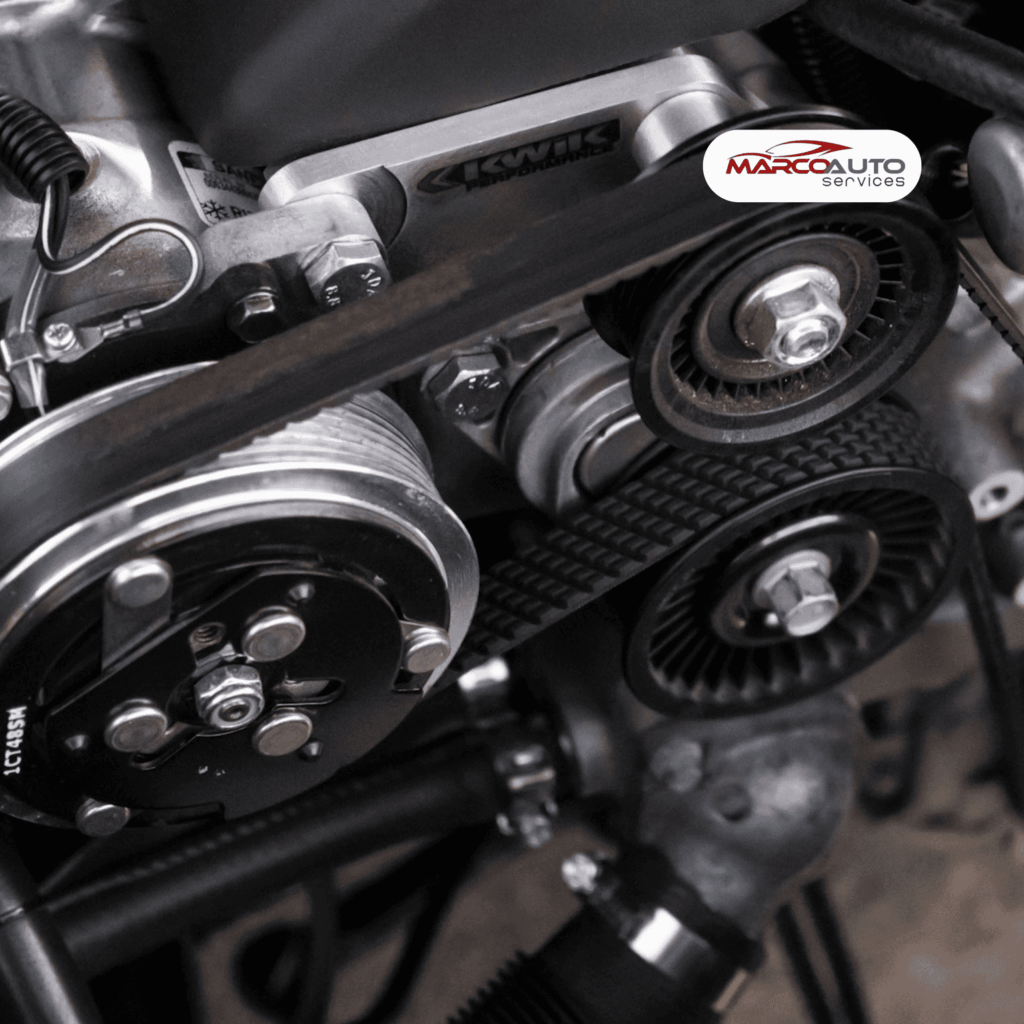
Belts and hoses usually wear out without fuss, but their failure can entail costly mechanical breakdowns. They are all vital in the work of prolonging engine life, particularly as the serpentine belt powers such critical features as the alternator and power steering pump. Smart maintenance includes an examination for cracks and tension tests in replacement of worn components before they actually break. This can save money by avoiding breakdowns caused due to overlooked parts.
Maintaining Proper Lubrication Beyond Engine Oil
While the engine oil is crucial, other lubricated systems also affect the extension of the lifespan of any engine. Transmission fluid, differential oil, and power steering fluid all play their part in the overall performance and longevity of a vehicle. Smart maintenance would mean periodic checks for each of these fluids, ensuring proper viscosity, color, and cleanliness. Overheating, friction damage, and noisy operation are common characteristics of neglected fluid systems that always influence the engine indirectly.
Stability of the Battery and Electrical Systems
The electrical system needs to work in the right manner to help extend the life of the engine, as weak battery performance stresses ignition and fuel systems. Smart maintenance involves checking for clean battery terminals, ensuring charge levels are within specification, and inspecting alternator functionality. Poor electrical systems can cause misfires, difficult starts, and inconsistent engine performance. Regular diagnostic checks keep the system in balance and prevent the wear on internal components.
Servicing by Professionals Scheduled
Even with great personal service, professional maintenance cannot be dispensed with to extending engine lifespan Professional certified technicians use special tools and equipment to locate hidden problems, to recalibrate systems, and to conduct advanced diagnostics. Smart maintenance means sticking to factory-recommended service schedules and consulting professionals when strange noises, wobbles, or other dashboard warnings show up. Expert intervention ensures precision that routine personal checks may not avail.
Conclusion
Long life for engines is possible through purposeful, intelligent maintenance techniques, which combine basic care, responsible driving, and modern technological tools. AI-powered diagnostics, clean systems, and proactive habits contribute much to performance and long-term reliability. Clients should contact Marco Autos for expert assistance in tailored servicing and professional guidance on extending engine lifespan for comprehensive automotive solutions.
Recent Comments