Dent and Scratch Repair: The Enhancement of Vehicle Aesthetics

A vehicle’s aesthetics have a significant contribution to its perceived worth and owner satisfaction. Scratches and dings, whether small or big, take away from this appearance and even influence resale value. Correct dent and scratch repair not only is required for looks but also to prevent harm from advancing, such as rusting and corrosion, particularly in areas where conditions are harsh. Knowledge of the methods that may be used and the correct service provider selection is important for achieving long-term effects.

Paintless Dent Repair (PDR): A Cost-Effective Revolution in Dent and Scratch Repair

One of the most cost-effective and revolutionary advancements in dent and scratch repair is Paintless Dent Repair (PDR). Paintless Dent Repair (PDR) is a method for fixing minor dents and dings by using specialized tools to reshape the metal back to its original form, avoiding the need for fillers, sanding, or repainting, and preserving the vehicle’s factory finish. This has the dual advantage of preserving the original paint job, which is more resistant to wear than aftermarket paint. PDR can be applied to a variety of dings that have been caused by hail, door dings, or low-speed collisions, making it appropriate for most car owners.

The Paintless Dent Repair Process: Skill and Precision in Dent and Scratch Repair

The PDR process is a delicate blend of skill and precision. Licensed technicians use the application of special equipment to access the dent from the reverse of the panel. Pressing and tapping simultaneously, working the metal with great care, incrementally restoring the dent to its pre-dent form. The lighting is also paramount, allowing the technician to detect even the slightest imperfections. PDR success is in the balance based on the skill of the technician, as poor technique will merely result in time-consuming or metal-damaging fixes. As such, it is of extreme significance that one chooses a reputable dent and scratch repair business with certified PDR technicians.

Traditional Dent and Scratch Repair: When More Extensive Damage Demands Thorough Solutions

While PDR is ideal for small dents, deeper damage calls for old-school dent and scratch repair methods. That involves body filler to close out the damaged area, sanding it to a smooth surface, and painting to match up with the surrounding panel. That requires more man-hours and special equipment, including spray booths and color-matching machines. A successful traditional repair depends on the quality of materials and the skill of the technicians in integrating the repair into the original paint. Poor workmanship in painting will detract from the beauty of the car easily.

Matching Paint Color: A Critical Element in Dent and Scratch Repair

Proper paint color matching is necessary for a flawless dent and scratch repair, whether using PDR or standard procedures. The majority of contemporary vehicles feature intricate, multi-layer paint finishes that are difficult to match. Quality shops use the most advanced color-matching tools, including spectrophotometers, to read the car’s paint and blend a custom color that exactly matches. This renders the repaired panel nearly impossible to discern from surrounding body panels.

Preventative Steps: Reducing Future Dent and Scratch Repair Requirements

You can reduce the frequency of repairs by taking preventative steps. Parking carefully, keeping a safe distance between cars, and staying alert while driving can help reduce door dings and minor collisions. Also, regular washing and waxing can shield the paint from scratches and weathering. Spending money on paint protection film (PPF) is also an option for building a tough scratch and chip barrier, particularly on high-wear zones like the hood and fenders.

The Importance of Professional Dent and Scratch Repair Services

Attempting DIY dent and scratch repair typically causes more harm and less desirable outcomes. Experienced technicians have the expertise, knowledge, and tools necessary to deliver the highest quality results. They also understand the finer points of different repair techniques and can assess the damage and determine the best method to use. Professional repair offers a warranty on its services, assuring speedy and efficient defect resolution.

Marco Autos: Your Trusted Partner for Professional Dent and Scratch Repair

Here at Marco Autos, we understand the importance of maintaining the appearance and value of your vehicle. We offer a comprehensive range of dent and scratch repair services, utilizing PDR and traditional techniques to correct a wide variety of damage. Our trained technicians are certified experts at restoring vehicles to their pre-accident condition. We only use premium materials and employ state-of-the-art equipment to ensure durable results. Our passion for excellence and customer satisfaction sets us apart.

We are highly proud of our honest and open policy. Furthermore, prior to any repair work, a comprehensive damage assessment and detailed repair schedule are provided. In addition, we aim to address concerns and ensure client comfort throughout the process. Ultimately, we aim to provide you with a hassle-free and pleasant experience from first contact to completion.

Obtain a Free Quote from Marco Autos Today

Don’t allow scratches and dents diminish the elegance and value of your car. Obtain a complimentary estimate today from Marco Autos. Our friendly and professional team is ready to assist you with all your dent and scratch repair needs. We are committed to providing you with the highest quality service and outcome possible. Let Marco Autos make your car feel like new again. We look forward to helping you!
Read more

Fuel System Repairs: Improving Engine Performance at Marco Autos

Fuel System

The fuel system is the lifeblood of any internal combustion engine, responsible for delivering just the right amount of fuel required for efficient combustion. When components like injectors, pumps, and filters malfunction, the impact can range from poor gas mileage and sluggish acceleration to complete engine failure. It is important fuel system problems issues promptly and effectively if one is to guarantee automobile reliability and longevity.

Diagnosing Fuel System Problems

There is a need for a systematic approach to diagnosing fuel system problems. Mechanics usually apply a combination of visual inspection, pressure testing, and equipment to determine the source of the problem.

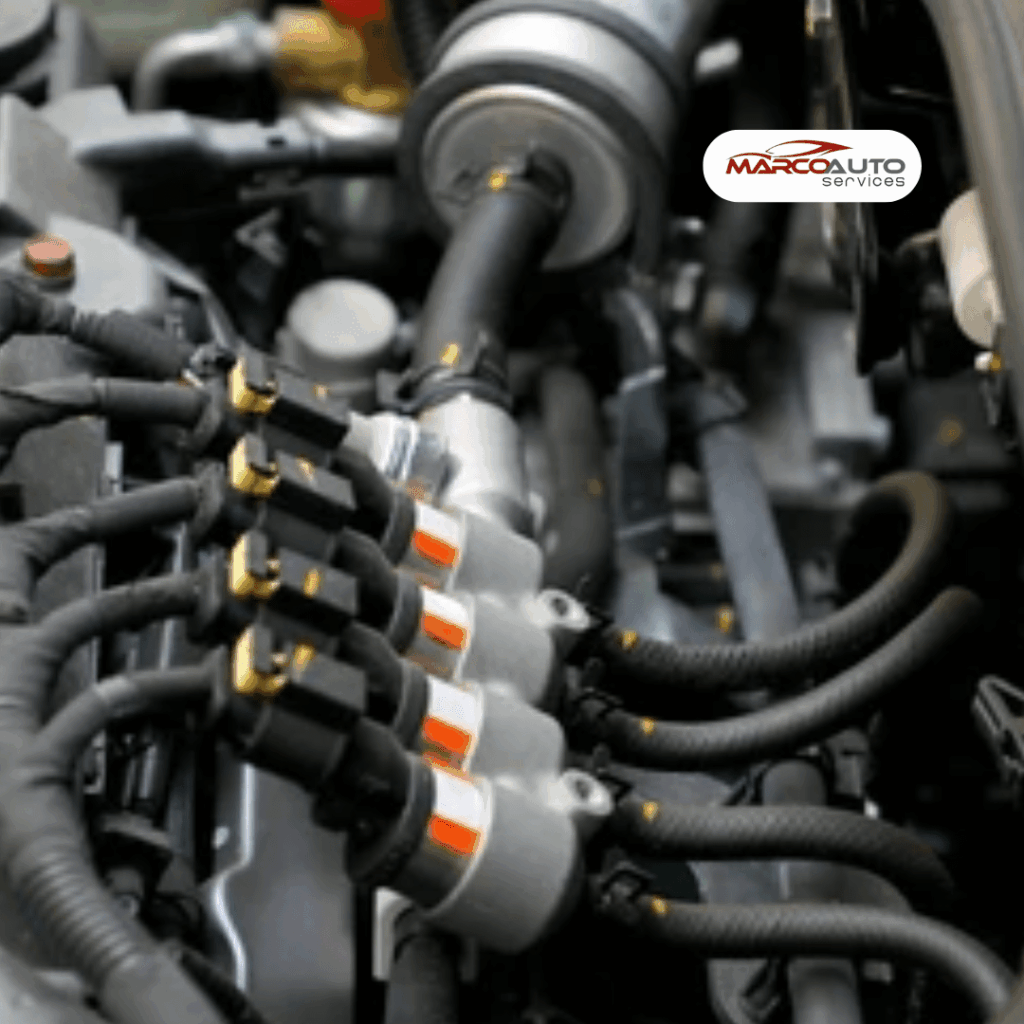
Fuel Injector Problems: First, faulty or dirty fuel injectors can disrupt the spray pattern of the fuel, leading to inefficient combustion and reduced power. Consequently, the symptoms include rough idling, misfires, and poor fuel economy. Moreover, diagnostic testing involves injector resistance tests, spray pattern analysis, and flow measurement tests.

Fuel Pump Failures: Similarly, the fuel pump delivers fuel from the tank to the engine at a sufficient pressure. However, a faulty fuel pump will cause a lack of fuel to the engine, leading to stalling, hesitation, and difficult starting. Therefore, fuel pressure testing is a valuable diagnostic test.

Fuel Filter Issues: In addition, a dirty fuel filter restricts fuel flow, which is indistinguishable from that of a faulty fuel pump. As a result, regular replacement of fuel filters is a necessary preventive maintenance practice.

Fuel Injector Services

Fuel injectors are fine-tuned components requiring extra care.

Cleaning: Cleaning the injectors is the removal of deposits and impurities that can detract from their operation. Ultrasonic cleaning is a viable method.

Replacement: Replacement if there’s severe damage or wear

Calibration: Keeps them in order to release the right amount of fuel

Fuel Pump Repairs

Fuel pump issues typically call for replacement.

Replacement: When replacing a faulty fuel pump, care must be taken, including proper connections of the fuel lines and proper installation of the correct model of pump.

Testing: After replacement, fuel pressure and flow rate tests verify the pump is functioning as it should.

Fuel Filter Services

Preventive replacement of fuel filters is a simple but efficient means of preventing fuel system problems.

Replacement: Fuel filter replacement intervals vary based on vehicle and use.

Inspection: Inspection of the exhausted filter can provide indication of the general health of the fuel system.

The Need for Expertise

Repairing a fuel system requires expertise, tools, and technical experience. Without proper expertise, diagnosing or repairing these issues may lead to more damage and costly repairs.

Conclusion: Marco Autos – Your Fuel System Solutions Partner

At Marco Autos, we understand the critical role of the fuel system in your vehicle’s performance. Our skilled technicians, therefore, diagnose and repair any fuel system problem, using training and technology, in order to make your engine run smoothly and efficiently. Whether you need fuel pump diagnostics and injector cleaning and replacement, or, on the other hand, simply filter changes, we, consequently, offer a complete line of services to keep your fuel system running at its best.

Don’t let fuel system problems stand in the way of your vehicle’s performance and reliability. Visit Marco Autos today or call to schedule an appointment. Our commitment to quality service and customer satisfaction earns us the trust of fuel system repair. We’re dedicated to providing professional, reliable, and affordable services to keep you on the move.

Read more

Common Engine Faults Diagnosed with OBD Scanners in Nigerian Cars

Engine problems

The number of cars in Nigeria has led to more engine problems. While skilled mechanics can identify some issues visually, modern cars require On-Board Diagnostic (OBD) scanners to diagnose engine faults accurately. The essay discusses common engine problems and urges car owners to seek professional diagnostic services.

The Elusive Check Engine Light and What it Says

The Check Engine Light (CEL) is arguably the most dreaded light on a car dashboard. When illuminated, it indicates that the ECU has detected a problem. Specifically, OBD scanners decipher the underlying DTC, which can be as straightforward as a loose gas cap (triggering an Evaporative Emission Control System leak code, e.g., P0455) or, conversely, as severe as engine misfires (P0300 series codes) or catalytic converter inefficiency (P0420). Moreover, in the Nigerian context, where fuel quality is inconsistent, fuel-related DTCs are particularly common.

Sensor Malfunctions: A Constant Battle

Modern engines rely on a network of sensors to monitor various parameters such as air and fuel temperature, oxygen levels in the exhaust, crankshaft and camshaft position, and throttle position. However, faulty sensors are not unusual.

For instance, Oxygen Sensors (codes P0130 – P0167) monitor the oxygen level in the exhaust stream and provide feedback to the ECU for the optimum air-fuel combination. Moreover, they are susceptible to dirty fuel damage and wear and tear, impacting gas mileage and emissions.

In addition, Mass Airflow (MAF) Sensors (P0100 – P0104) track the amount of air being drawn into the engine, which is critical for establishing the correct fuel injection. Consequently, the sensor may get contaminated by dirt and debris, resulting in false readings and a rough running engine.

Furthermore, Crankshaft and Camshaft Position Sensors (P0335, P0340) are necessary to time the ignition and fuel injection. As a result, failure of these sensors can result in a no-start or disastrous engine misfires.

Ignition System Problems: Misfires and More

The ignition system produces the spark or heat to burn the air-fuel mixture in the cylinders. Common faults are:

Misfires: DTCs from P0300 to P0309 are for misfires. These can be caused by faulty spark plugs, ignition coils, or fuel injectors. The specification of the misfiring cylinder (e.g., P0301 for cylinder 1) allows for selective repair.

Ignition Coil Failure: Each cylinder typically has its own ignition coil. Failure of a coil will result in a misfire in that cylinder.

Spark Plug Issues: Worn-out or fouled spark plugs can result in misfires and poor engine performance.

Fuel System Issues: Pumps to Injectors

The fuel system delivers fuel to the engine. Some of the typical issues are:

Fuel Pump Failure: A faulty fuel pump (P0087, P0088, P0089) can result in low fuel pressure, causing the engine to be difficult to start and operate under load.

Injector Problems: Leaking or clogged fuel injectors (P0200 – P0212) will disrupt the air-fuel mixture and result in misfires and poor fuel economy.

Fuel Pressure Regulator Problems: A faulty fuel pressure regulator will provide either too much or too little fuel pressure, affecting engine performance.

Emission Control System Problems

Tighter emission controls are typically bypassed in Nigeria, but failures still occur and can be diagnosed.

Inefficiency of Catalytic Converter: The catalytic converter reduces harmful emissions. Codes like P0420 and P0430 indicate the converter is not functioning efficiently, typically due to age or contamination from filthy fuel.

Evaporative Emission Control System (EVAP) Leaks: EVAP system seals the fuel vapors from releasing into the atmosphere. Leak codes like P0440 – P0457 are common, most likely caused by a loose or faulty gas cap, or damaged hoses.

Conclusion: Diagnosing Engine Problems with Expert Experience at Marco Autos

While OBD scanners provide helpful information about engine faults, it, however, requires expertise to read the information and perform the necessary repairs. Additionally, attempting to fix complex engine faults without experience will lead to further damage and more cost. Furthermore, Nigeria’s poor driving conditions, poor fuel quality, and high number of old vehicles make engine problems likely. Therefore, as a result, car owners require professional diagnostic and repair services.

In this context, Marco Autos offers complete engine repair and diagnostic services, with the newest OBD scanners and highly competent technicians. Specifically, we can diagnose a multitude of engine issues, ranging from simple sensor replacements to more complex engine rebuilds. Ultimately, our mission is to provide reliable, efficient, and cost-effective solutions to get your vehicle back on the road.

Don’t let a Check Engine Light or performance issues continue. Visit Marco Autos today for a full diagnostic scan and expert repairs to schedule an appointment. Let Marco Autos be your number one resource for keeping your vehicle’s engine in prime condition and running efficiently. We provide quality you can trust!

Read more

Fuel System Repairs: Keep Your Engine Running Smoothly

The fuel system is crucial for any engine, making sure it gets the right amount of fuel for good performance. If parts like injectors, pumps, or filters start to fail, you could see a drop in fuel efficiency and performance. In some cases, it can even lead to engine trouble. So, it’s important to tackle these issues as soon as you can to keep your car in good shape.

Injector Troubleshooting and Repair

Fuel injectors are responsible for spraying fuel into the engine. They can get clogged over time, which can result in:

Lower Fuel Efficiency: When injectors are blocked, fuel doesn’t spray properly, leading to wasted fuel.

Rough Idling and Stalling: If the engine doesn’t get consistent fuel, it can run unevenly, especially when idling.

Less Power and Acceleration: If there’s not enough fuel, the engine can’t perform well.

To diagnose problems with injectors, mechanics check flow rates and spray patterns. Common repair options are:

Cleaning: An ultrasonic cleaning can clear out deposits without taking the injector apart.

Replacement: If injectors are too damaged, they might need to be replaced.

Sealing: Fixing any damaged seals to stop fuel leaks is also important.

Fuel Pump Issues and Replacement

The fuel pump moves fuel from the tank to the engine. If it’s not working, you might notice:

Hard Starting: If there’s not enough fuel pressure, it can be tough to start the engine.

Engine Stalling: The engine might cut out while driving if it’s not getting enough fuel.

Whining Noise: A failing pump can make a noticeable whining sound.

To fix fuel pump problems, mechanics will check the fuel pressure and electrical connections. Common repairs include:

Replacement: Often, the most reliable fix is to replace the whole fuel pump.

Wiring Repair: Fixing any damaged wiring in the pump’s power supply.

Filter Change: If the fuel filter is clogged, it can cause more strain on the pump.

Fuel Filter Care and Replacement

The fuel filter keeps contaminants away from sensitive parts in the fuel system. If it gets clogged, you might see:

Lower Fuel Pressure: The engine may struggle to get enough fuel.

Poor Acceleration: A blocked filter can lead to sluggish response when you hit the gas.

Pump Damage Risk: If the filter is clogged, it can wear down the fuel pump quicker.

Changing the fuel filter is usually pretty straightforward:

Locate the Filter: It can be in the fuel line or inside the tank.

Release Pressure: You need to relieve fuel system pressure to avoid spills.

Change the Filter: Disconnect the lines and put in a new filter.

Why Get a Professional

Fixing fuel system issues requires skill and right tools. Trying to fix things yourself can lead to more problems. Professionals can:

Diagnose Problems Correctly: Find out what’s really going on with your fuel system.

Use the Right Tools: Ensure repairs are done safely and properly.

Provide Quality Service: They offer dependable parts and services.

Get in Touch with Marco Autos for Help

Keeping your fuel system in check is key to good engine performance and reliability. If you’re having fuel system issues, don’t wait too long to get help.

At Marco Autos, we provide thorough fuel system diagnostics and repairs. Our skilled technicians use advanced equipment to address injector issues, fuel pump problems, filter changes, and more. We’re here to help get your vehicle back in top shape.

Feel free to visit Marco Autos for dependable fuel system repairs. Reach out today to make an appointment or talk about what your car needs. Let us help you keep your engine running smoothly!

Read more

Suspension Upgrade Options: Improving Handling and Comfort

Suspension Upgrade

The suspension system is really important for any vehicle. It helps smooth out the bumps in the road and makes driving more enjoyable. It includes springs, shocks, and other parts that work together to give you a comfortable ride, good handling, and stable braking. While factory-made suspensions aim to suit a lot of different driving situations, they often end up being a bit of a compromise. If you want better performance on the track, more comfort for daily driving, or the ability to carry heavier loads, aftermarket suspension upgrades might be just what you need. You can typically choose between upgraded springs or complete coilover systems, and knowing the differences can help you pick what’s right for you.

Factory Suspension Limits

The stock suspension is made for a wide crowd, balancing comfort, cost, and durability. This often means a softer setup, which can lead to issues like body roll in turns, a bouncy feel on rough roads, and less control during heavy braking. Plus, factory suspensions don’t allow for much customization, which can be frustrating for people who tow regularly or enjoy sporty driving. If you have specific needs, you’ll definitely notice what the stock suspension lacks.

Upgrading with Aftermarket Springs: A Focused Approach

Switching out the factory springs with aftermarket options can really boost your ride. These springs come in different rates, meaning some need more force to compress. Stiffer springs can help with body roll and improve handling, while softer ones make the ride nice and smooth.

Benefits of Upgraded Springs:

Better Handling: Stiff springs reduce body roll and make cornering feel more direct.

More Stability: Less suspension movement means a steadier ride at higher speeds.

Lower Ride Height (Optional): Many aftermarket springs can lower your car a bit for better looks and stability.

Affordable: Generally, changing the springs costs less than getting a full coilover system.

Things to Consider When Choosing Upgraded Springs:

Fit: Make sure the springs fit your vehicle model.

Spring Rate: Pick a rate that matches how you drive. Too stiff can hurt comfort; too soft loses handling benefits.

Shock Absorber Match: Ideally, use shocks that work well with your new springs.

Coilover Systems: Top-Tier Adjustability

Coilover systems take suspension upgrade to another level. These combine spring and shock into one adjustable unit, letting you tweak both ride height and damping, so you have full control over how your vehicle handles.

Benefits of Coilover Systems:

Adjustable Ride Height: Set your preferred height for looks and performance.

Damping Flexibility: Adjust how the shock absorbs bumps based on your driving style.

Better Handling: You’ll feel a big difference in how your vehicle corners and responds.

Great for Track Days: Ideal for those looking to push their car to the limit on the track.

Things to Consider When Choosing Coilover Systems:

Installation Difficulty: These can be trickier to install and adjust than just changing springs.

Cost: Usually, coilovers are pricier than upgrading springs alone.

Maintenance: You’ll have to adjust them periodically to keep performance sharp.

Ride Quality: While they provide great handling, coilovers may make the ride stiffer if not set up properly.

Making the Right Choice: What Matters to You

Deciding between upgraded springs and coilover systems depends on what you want and how much you want to spend. If you’re looking for a simple upgrade that improves handling without a big expense, updated springs might be the way to go. But if you’re after serious adjustability and performance, particularly for track use, coilovers are your best bet.

Conclusion: Get Your Suspension Sorted at Marco Autos

Picking the right suspension upgrade can really change how your vehicle feels and drives. With so many factors, like spring rates and compatibility, it’s a good idea to get some expert advice. At Marco Autos, our skilled team can help you find the right suspension upgrade for what you need. Whether it’s for daily driving, track days, or just to change the look of your ride, we offer a range of top-quality springs and coilover systems. Plus, we’ll make sure your new setup is installed correctly for the best performance. Don’t settle for a ride that doesn’t meet your standards. Come by Marco Autos or get in touch for a chat, and let us help you get the most out of your vehicle’s suspension. We’re dedicated to quality, know-how, and making sure you’re happy with your upgrade.

Read more

The Cost of Ignoring Electrical Problems

Electrical Problems

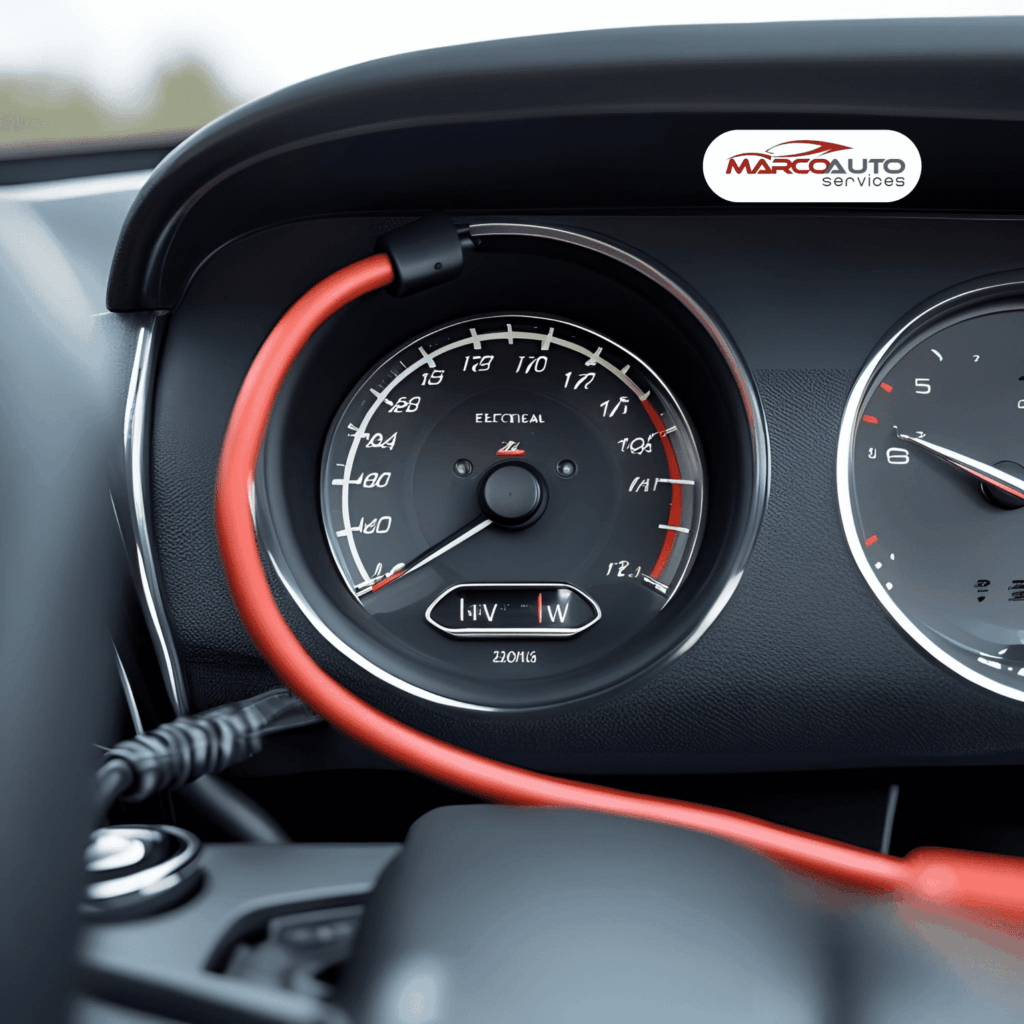
Your car’s a lifeline—until it isn’t. You turn the key, and instead of that familiar rumble, you get a click, a dim dashboard, or nothing at all. Electrical problems are sneaky like that—one day it’s a flickering light, the next you’re stranded on the side of the road, wallet weeping. Common issues like dead batteries or faulty alternators might seem like small fries, but brush them off, and the bill piles up fast. Here’s why catching these gremlins early with Marco Autos Services isn’t just smart—it’s a money-saver that keeps your ride (and your sanity) intact.

The Silent Culprits: What’s Going Wrong?

Your car’s electrical system is its nervous system—batteries, alternators, wiring, starters—all working together to keep it alive. When one falters, the dominoes fall. A Car and Driver guide pegs electrical problems as a top breakdown cause—dead batteries alone strand millions yearly. Faulty alternators, wonky wiring, or a dying starter can creep up too, often starting with subtle hints you might shrug off.

Dead Batteries: The Quiet Killer

A dead battery’s the poster child of electrical woes. One morning, your car won’t start—maybe it’s been slow to crank for days, but you figured it’d hang on. Batteries die naturally after 3-5 years, per Consumer Reports, but heat, cold, or leaving lights on can zap them faster. Ignore that sluggish turn-over, and you’re not just buying a new battery—you’re risking a tow or a jump-start gone wrong.

Faulty Alternators: The Power Thief

If your battery’s the heart, the alternator’s the lungs—charging it while you drive. When it fails, your car runs on borrowed time. Dim lights, a whiny engine, or a dashboard warning might tip you off, but skip the fix, and you’re in trouble. A Popular Mechanics piece says a bad alternator can fry your battery—or worse, stall you mid-highway.

Wiring Woes: Sparks You Can’t See

Frayed wires or loose connections are sneakier—flickering lights, a radio cutting out, or random power dips. They’re small fries until they short-circuit, torching fuses or frying bigger systems. A Motor Trend tip sheet warns that unchecked wiring can spark fires—rare, but real. More often, it’s a slow bleed of cash—replacing fuses, then sensors, then more.

The Domino Effect: One Fix, Many Problems

Here’s the kicker: electrical issues love company. A dead battery might strain your alternator; a bad alternator can toast your battery. Ignore either, and your starter or electronics—like power windows or the ECU—start failing too. A Edmunds breakdown analysis says one delay can double repair costs as parts cascade.

The Price Tag: Dollars Down the Drain

So, what’s the real cost? Let’s tally it. A battery test at Marco Autos? Maybe $20-$30—swap it for $100 if it’s shot. Wait ‘til it dies, add $100 for a tow, maybe $50 in lost time. Alternator fix? $200 early, $500+ with collateral damage. Wiring? $50 to patch, hundreds if it fries the system. A AAA study says proactive repairs save 30-50% over emergency fixes—numbers don’t lie.

Why It Hurts More: Beyond the Wallet

It’s not just cash—delays sting. Stranded at work, missing a kid’s game, or scrambling for a ride—it’s the stuff stress is made of. A Psychology Today piece ties car troubles to anxiety spikes—waiting ‘til the last straw snaps amps that up. Marco Autos’ quick checks dodge the drama, keeping your day on track.

The Fix: Marco Autos to the Rescue

Here’s the play: don’t wait for the crash. Spot a dim light, a slow crank, a weird noise? Get it to Marco Autos Services. Their techs—FDI-trained, per their creds—dig into batteries, alternators, wiring, you name it, with tools that catch what your eye can’t. A U.S. News guide says regular electrical checks add years to a car’s life—Marco’s your pit crew for that.

Conclusion

Ignoring electrical problems—dead batteries, faulty alternators, wonky wires—is a gamble with a steep price. What starts as a flicker can end in a breakdown, costing you cash, time, and sanity. Catch them early with Marco Autos Services, and you’re not just fixing a car—you’re saving a bundle. Ready to dodge the domino effect and keep your ride rolling? Contact Marco Autos Services today. They’ll spot the sparks before they flare—because with Marco Autos, a little care now means a lot less trouble later.

Read more

How to Extend the Life of Your Vehicle

Extend Your Vehicles Life

Extend Your Vehicle’s Life: Your car’s more than just a ride—it’s your trusty sidekick, hauling you to work, road trips, or that late-night grocery run. But let’s be real: vehicles don’t stay young forever. The odometer ticks up, parts wear down, and suddenly you’re wondering if it’s time for a trade-in. Here’s the good news—you can stretch your car’s life way past the average with some smart habits and a little TLC. Let’s dive into how you can keep your wheels humming for the long haul—because a well-loved car deserves a long, happy life.

 Drive It Gentle: Less Stress, More Miles

Your driving style’s the first big player in your car’s lifespan. Slam the gas, brake hard, or treat every red light like a drag race, and you’re shaving years off its clock. Smooth moves—easy acceleration, gentle stops—keep the engine, brakes, and transmission from wearing out fast. A Car and Driver guide on car longevity says aggressive driving can cut engine life by 20%—yikes.

 Stick to the Schedule: Maintenance Is King (Extend Your Vehicle’s Life)

If your car could talk, it’d beg you to follow the owner’s manual. Regular maintenance—oil changes, tire rotations, filter swaps—isn’t optional; it’s the heartbeat of a long life. Oil’s the lifeblood; skip a change, and sludge gums up the engine. A Consumer Reports study found cars with consistent oil changes (every 5,000-7,500 miles, depending on the make) can hit 200,000 miles easy.

Tires Matter: Keep Them Happy (Extend Your Vehicle’s Life)

Tires are your car’s shoes—worn-out ones don’t just slow you down; they stress everything else. Underinflated tires drag your fuel economy and strain the suspension; overinflated ones wear unevenly and risk blowouts. A Tire Rack guide says proper pressure (check your door jamb sticker) and rotation every 6,000 miles can double tire life—and save your chassis.

Listen Up: Catch Problems Early

Your car talks—creaks, rattles, weird hums. Ignore them, and small fixes turn into wallet-busting repairs. A faint squeal from the brakes? Pads might be low. A sluggish start? Battery’s fading. A Popular Mechanics article says catching issues early can cut repair costs by 50%—and keep your car on the road longer.

Clean Living: Protect Inside and Out (Extend Your Vehicle’s Life)

Rust and grime are silent car-killers. Road salt eats metal; dirt traps moisture. Wash your car monthly—underneath too, especially in winter—and wax it twice a year to shield the paint. Inside, vacuum crumbs and wipe spills—mold loves a messy cabin. A Motor Trend tip sheet says a clean car lasts longer and holds value.

Fuel Up Smart: Quality Counts (Extend Your Vehicle’s Life)

Cheap gas might save a dime today, but it can clog your engine tomorrow. Stick to reputable stations—top-tier brands like Shell or Exxon add detergents that keep fuel injectors clean. A AAA study found low-quality fuel boosts carbon buildup, slashing efficiency and lifespan. If your manual says premium, use it—your engine’s tuned for it.

Park with Care: Shelter Extends Life

Where you park matters. Sun bakes paint and cracks dashboards; rain rusts undercarriages. A garage is gold, but even a carport or shade tree helps. A Edmunds guide says UV exposure can age a car’s exterior by years—covered parking slows that clock.

The Bigger Picture: Miles and Memories

A car’s lifespan isn’t just about mechanics—it’s about the stories it carries. That cross-country trip, the daily commute, the kid’s first drive—extending its life keeps those moments rolling. The average car lasts 12 years or 200,000 miles, per U.S. News, but with care, you can push it to 15, 20, even more. It’s not just saving money; it’s keeping a piece of your life alive.

Conclusion: Keep Your Ride Rolling With Marco Autos

Extending your vehicle’s life isn’t rocket science—it’s steady habits and a little love. Drive smart, stick to maintenance, pamper those tires, and listen close, and your car could outlast the skeptics. Need a hand—or just want pros to keep it humming? Contact Marco Autos today. They’re the crew who’ll tune your engine, swap your oil, and spot the squeaks before they scream—because with Marco Autos, your car’s not just a machine, it’s a marathon runner. Give them a call—your ride deserves the VIP treatment.

Read more

5 SIGNS YOUR CAR NEEDS IMMEDIATE ATTENTION: A GUIDE BY MARCO AUTOS

If you own a car, it’s super important to pay attention to signs for vehicle immediate attention, something might be wrong. Noticing these signs can save you from bigger problems later and keep you safe. Here are five clear signs that you shouldn’t ignore.

Warning Lights on the Dashboard (Signs For Vehicle Immediate Attention)

First up, warning lights on your dashboard pretty much scream for help. When lights like the check engine light or oil pressure light pop up, they mean something might not be right with your car. Ignoring them can make things worse. You could end up with a bigger issue, and that often means spending a lot of money on repairs. So, if a light comes on, it’s time to take action.

Unusual Noises (Signs For Vehicle Immediate Attention)

Next, let’s talk about noises. If your car starts making strange sounds like grinding or squealing, that’s a big red flag. For example, if you hear squeaking when you brake, your brake pads might be worn out. This isn’t just annoying; it can lead to serious problems if you don’t look into it.

Fluid Leaks (Signs For Vehicle Immediate Attention)

Now, keep an eye out for fluid leaks. If you spot puddles or spots under your car, it could be leaking oil, coolant, or transmission fluid. Each of these fluids has an important job, and if they leak, your car can really struggle to run. If you see any leaks, it’s best to get a mechanic to check it out right away.

Decreased Performance (Signs For Vehicle Immediate Attention)

Another thing to watch for is a drop in your car’s performance. If your car feels slow to accelerate or the gas doesn’t last as long as it should, something is likely off. It could be an issue with the battery, fuel injectors, or transmission. Getting it looked at sooner rather than later can help pinpoint the problem and get your car back to running smoothly.

Strange Smells (Signs For Vehicle Immediate Attention)

Lastly, don’t ignore weird smells coming from your car. If you notice a burning smell, it could mean your brakes are too hot or there’s an electrical issue going on. A sweet smell might hint at a coolant leak. Each smell hints at different problems, and it’s crucial to find out what’s causing them before they lead to further damage.

Conclusion

Taking care of your car is key to keeping it safe and reliable. If you notice any of these signs, don’t wait. It’s important to get help from a professional. At Marco Autos, we’re here to help. Our team of skilled mechanics is ready to check out anything that might be wrong with your ride. So, if your car is sending you signals, reach out to us. Let’s make sure your car stays in great shape. It’s all about keeping you safe on the road.

Read more

Marco Autos: Your Premier Destination for Engine Installation and Repair

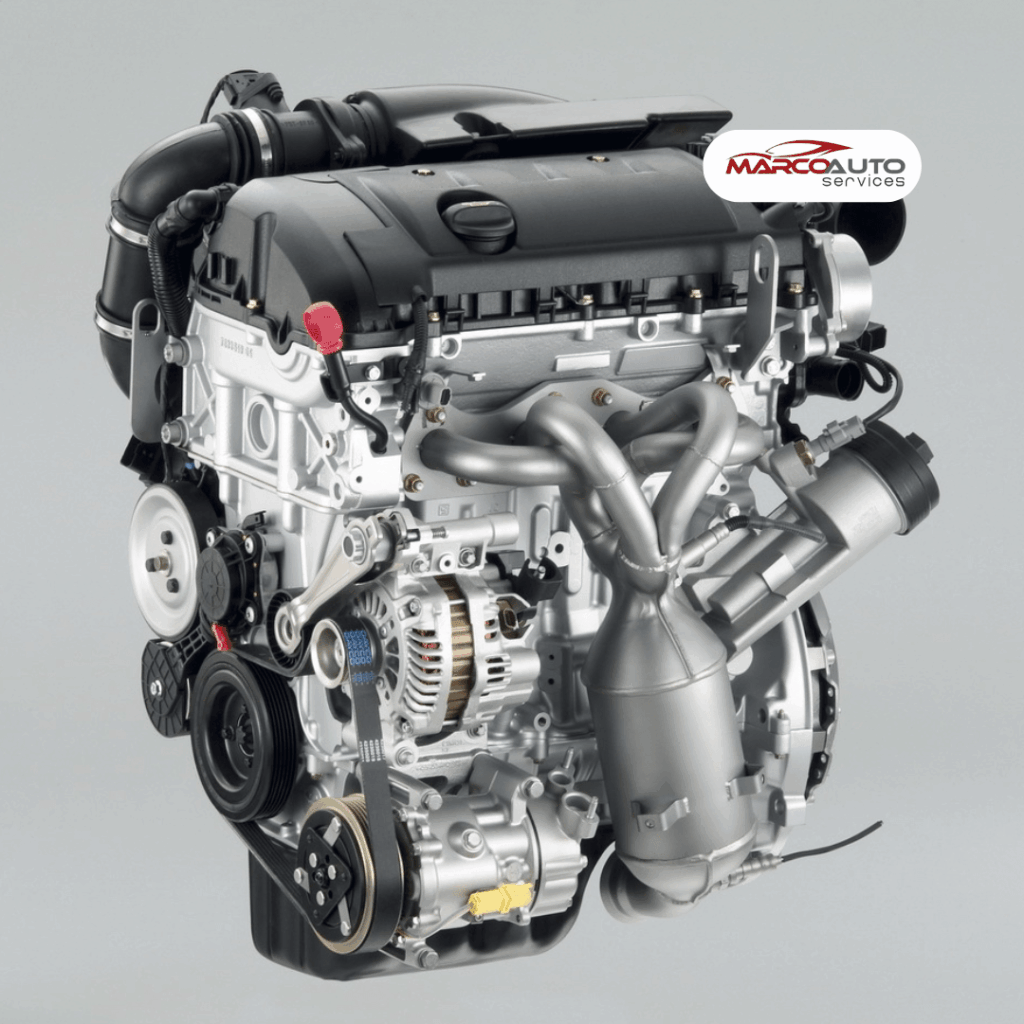
The engine is the heart of your vehicle, where proper maintenance remains necessary. At Marco Autos, we engage in engine installation and repair to various types of engines with the best services for your car.

IMPORTANCE OF PROPER INSTALLATION OF ENGINE

Compatibility Understanding

The selection of the correct engine for your car is very important. An incompatible engine can result in low performance or damage. The make, model, and year are great factors to consider. Our experts at Marco Autos have vast knowledge in different types of engines and will help you find the ideal one for your car.

Common Installation Mistakes to Avoid

Installation is a multi-step process. Following are some of the common installation mistakes that one should avoid:

  • Incorrect alignment of engine mounts
  • Failure to connect all the needed sensors
  • Failure to check fluid levels at the time of installation

The Marco Autos Advantage: Expertise and Precision

Our technicians are professional and experienced individuals. We follow strict guidelines to ensure your engine is installed correctly. With our expertise, you can rest assured that your engine is in good hands.

ENGINE REPAIR SERVICES: DIAGNOSIS AND SOLUTIONS

Comprehensive Diagnostic Testing

Is your engine knocking or not running right? Our diagnostic testing isolates the cause. We utilize modern equipment to inspect parts of your engine.

Repairing Specific Engine Problems

Every engine problem is different. Some of the most common engine problems we see and repair include:

  • Overheating engines
  • Knocking or tapping noises
  • Poor fuel economy

CHOOSING THE RIGHT ENGINE FOR YOUR VEHICLE

Things to Consider When Selecting a Replacement Engine

When selecting a replacement engine, consider:

  • Engine size and type
  • Compatibility with your vehicle’s systems
  • Warranty options

New vs. Used Engines: A Cost-Benefit Analysis

New engines provide reliability but can be costly. Used engines are affordable, but it’s vital to know their history. We can help you weigh the pros and cons of each option.

Expert Guidance from Marco Autos’ Team

Our team will be able to provide consultations to help in choosing the most suitable engine for your vehicle. We answer all your questions and take you through the selection process.

THE MARCO AUTOS PROCESS: FROM DIAGNOSIS TO COMPLETION

Step-by-Step Guide to Our Engine Installation Process

1.Initial Inspection

2.Diagnostic Testing

3.Engine Selection

4.Installation

5.Final Testing

Maintaining Your Engine After Installation

Good maintenance after installation is key. Oil changing at regular intervals and timely inspections will also elongate your engine’s life. We are providing some basic tips to keep your engine healthy.

PREVENTATIVE MAINTENANCE TO PROLONG ENGINE LIFE

Regular Tune-ups and Inspections

Regular inspections catch issues before they become major ones. Schedule tune-ups at least twice a year.

Importance of High-Quality Fluids and Filters

Wear and tear can be avoided by using quality fluids and filters. The cheap alternatives may save money upfront but result in bigger problems later.

Tips to Keep Your Engine Healthy

  • Check your oil levels regularly
  • Keep coolant at recommended levels
  • Change air filters regularly

COST AND PAYMENT PLANS

Open Pricing at Marco Autos

At Marco Autos, we believe in transparent pricing: you always know what to expect, and there are no hidden fees.

Payment Plans and Financing Available

We understand that repairs to the engine can be quite stressful for budgets. That’s why we have flexible financing options available to meet your needs.

Value for Money: Long-Term Savings through Proper Engine Care

Invest in quality repairs and maintenance, which saves costs in the long run. A well-serviced engine runs smoother and lasts longer.

Conclusion

For top-class engine installation and repair, go to Marco Autos. Our team offers expert service with a personal touch. Give us a call today to set up an appointment, and let your engine have the tender loving care it needs!

Read more

WHEN TO REPLACE YOUR TIMING BELT: MARCO’S COMPREHENSIVE GUIDE

Timing belts play a pivotal role in the smooth operation of your vehicle’s engine. Though often unnoticed, their failure can lead to serious engine trouble. Many car owners overlook the importance of timely belt replacement, jeopardizing their vehicle’s health and their finances. This guide will help you appreciate the importance of the timing belt and provide valuable insights into maintaining it properly.

UNDERSTANDING YOUR TIMING BELT

How a Timing Belt Works: A Mechanical Overview

The timing belt connects the crankshaft and camshaft in your engine. Its main duty is to synchronize the rotation of these components, ensuring that the engine’s valves open and close at the right times. A well-functioning belt is crucial for optimal engine performance.

Signs of Wear and Tear: Recognizing the Warning Signs

Be aware of these indicators that your timing belt may need immediate attention:

  • Unusual Noises: Hearing grinding or ticking sounds while the engine runs.
  • Engine Misfires: Problems starting or stalling can signal belt issues.
  • Oil Leaks: Puddles of oil near the belt area might suggest wear.

Timing Belt Materials and Lifespan Variations

Timing belts are generally made from rubber with fiber reinforcement. Their lifespan can vary widely, depending on the manufacturer and driving conditions, averaging anywhere from 60,000 to 100,000 miles.

THE CONSEQUENCES OF NEGLECTING TIMING BELT REPLACEMENT

The timing belt is a crucial part of a car’s engine, ensuring the crankshaft and camshaft rotate in sync so the engine’s valves open and close correctly with the pistons. Failing to replace a worn belt can lead to severe problems, including total engine failure, especially in interference engines where pistons and valves are closely aligned. A broken belt can cause engine damage and high repair costs. Symptoms of a failing belt include rough idling, poor fuel efficiency, and strange noises. Timely replacement helps avoid costly repairs and keeps the vehicle safe and efficient. Following maintenance schedules is essential.

DETERMINING YOUR TIMING BELT REPLACEMENT SCHEDULE

Manufacturer’s Recommendations: Consulting Your Owner’s Manual

Always consult your owner’s manual for specific replacement intervals. Different makes and models might have unique suggestions.

Mileage-Based Recommendations: Factors Influencing Replacement Intervals

Monitor your mileage closely. Regular driving conditions, like stop-and-go traffic versus highway driving, can impact belt replacement needs.

Age-Based Recommendations: Time as a Factor in Belt Degradation

A timing belt can degrade over time even if not driven extensively. Many manufacturers recommend replacing it every 5-7 years.

THE TIMING BELT REPLACEMENT PROCESS

Choosing a Qualified Mechanic: Ensuring Proper Installation

Selecting a mechanic experienced in belt replacements is crucial. This ensures the job is done correctly, preventing future issues.

What to Expect During the Replacement: A Brief Overview of the Process

During replacement, the mechanic will:

  1. Remove the old timing belt.
  2. Inspect related components like pulleys and water pumps.
  3. Install the new belt, ensuring proper tension and alignment.

Post-Replacement Care: Ensuring Long-Term Performance

After replacement, keep an eye on your engine. Regular check-ups can help identify any potential issues early on.

BEYOND THE TIMING BELT: PREVENTATIVE AUTO MAINTENANCE

Importance of Regular Inspections: Identifying Potential Problems Early

Regular vehicle inspections can help catch issues before they escalate. Developing a maintenance schedule is essential.

Other Key Maintenance Components: A Brief Overview

  • Oil Changes: Keep your engine lubricated.
  • Brake Inspections: Safety is paramount.
  • Tire Rotation: Ensures even tire wear.

Resource List: Where to Find Reliable Information and Qualified Mechanics

  • Manufacturer Websites: Access official recommendations.
  • Online Forums: Community advice can be helpful.
  • Review Sites: Look for local mechanics with good ratings.

 CONCLUSION

Knowing when to replace the belt is essential for your vehicle’s health. Pay attention to your owner’s manual and look for signs like unusual noises or engine performance issues. If you’re unsure, don’t hesitate to reach out to the experts at Marco Autos. Regular maintenance keeps your car running smoothly, so contact us today for advice and service. Taking care of your timing belt now can save you from costly repairs later.

Read more
Recent Comments
    Get a quote

    An duo lorem altera gloriatur. No imperdiet adver sarium pro. No sit sumo lorem. Mei ea eius elitr consequ unturimperdiet.

    Get Quote

    Archives