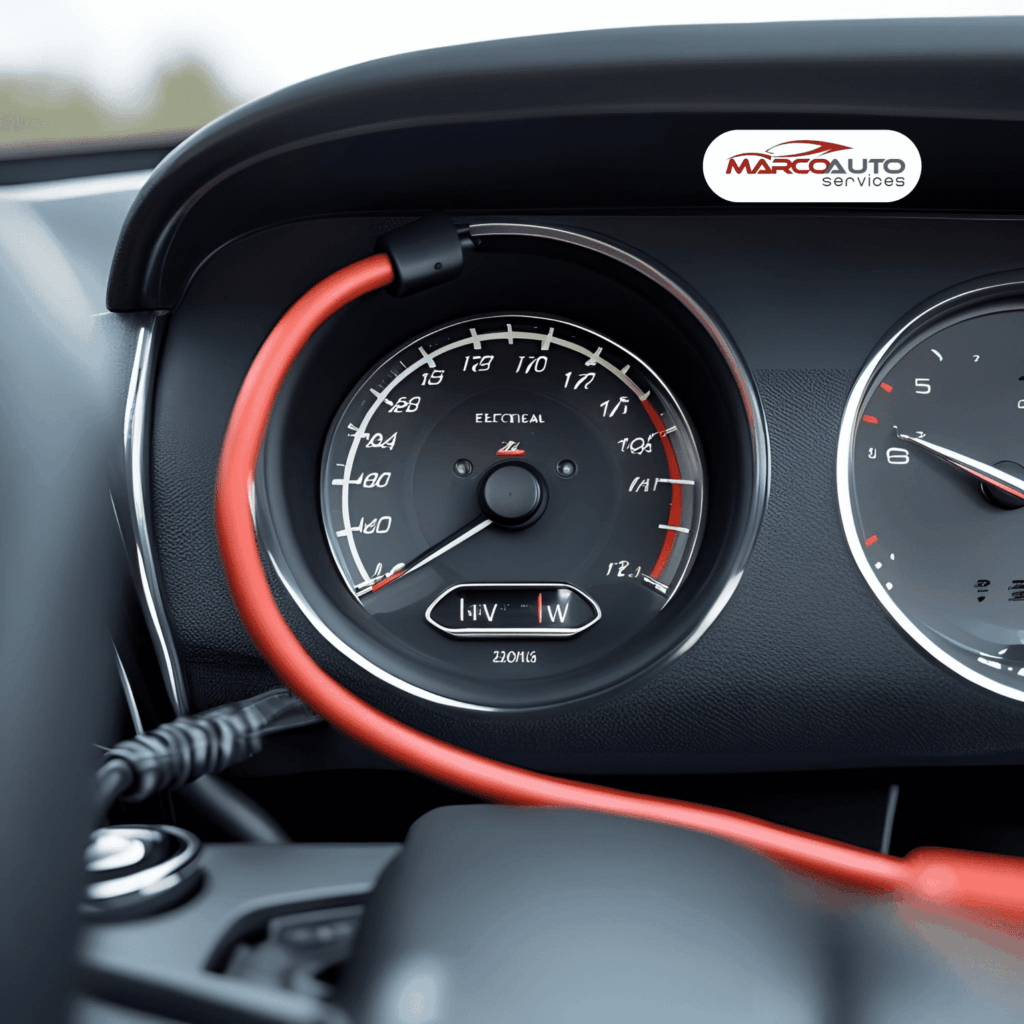
The Cost of Ignoring Electrical Problems

Electrical Problems

Your car’s a lifeline—until it isn’t. You turn the key, and instead of that familiar rumble, you get a click, a dim dashboard, or nothing at all. Electrical problems are sneaky like that—one day it’s a flickering light, the next you’re stranded on the side of the road, wallet weeping. Common issues like dead batteries or faulty alternators might seem like small fries, but brush them off, and the bill piles up fast. Here’s why catching these gremlins early with Marco Autos Services isn’t just smart—it’s a money-saver that keeps your ride (and your sanity) intact.

The Silent Culprits: What’s Going Wrong?

Your car’s electrical system is its nervous system—batteries, alternators, wiring, starters—all working together to keep it alive. When one falters, the dominoes fall. A Car and Driver guide pegs electrical problems as a top breakdown cause—dead batteries alone strand millions yearly. Faulty alternators, wonky wiring, or a dying starter can creep up too, often starting with subtle hints you might shrug off.

Dead Batteries: The Quiet Killer

A dead battery’s the poster child of electrical woes. One morning, your car won’t start—maybe it’s been slow to crank for days, but you figured it’d hang on. Batteries die naturally after 3-5 years, per Consumer Reports, but heat, cold, or leaving lights on can zap them faster. Ignore that sluggish turn-over, and you’re not just buying a new battery—you’re risking a tow or a jump-start gone wrong.

Faulty Alternators: The Power Thief

If your battery’s the heart, the alternator’s the lungs—charging it while you drive. When it fails, your car runs on borrowed time. Dim lights, a whiny engine, or a dashboard warning might tip you off, but skip the fix, and you’re in trouble. A Popular Mechanics piece says a bad alternator can fry your battery—or worse, stall you mid-highway.

Wiring Woes: Sparks You Can’t See

Frayed wires or loose connections are sneakier—flickering lights, a radio cutting out, or random power dips. They’re small fries until they short-circuit, torching fuses or frying bigger systems. A Motor Trend tip sheet warns that unchecked wiring can spark fires—rare, but real. More often, it’s a slow bleed of cash—replacing fuses, then sensors, then more.

The Domino Effect: One Fix, Many Problems

Here’s the kicker: electrical issues love company. A dead battery might strain your alternator; a bad alternator can toast your battery. Ignore either, and your starter or electronics—like power windows or the ECU—start failing too. A Edmunds breakdown analysis says one delay can double repair costs as parts cascade.

The Price Tag: Dollars Down the Drain

So, what’s the real cost? Let’s tally it. A battery test at Marco Autos? Maybe $20-$30—swap it for $100 if it’s shot. Wait ‘til it dies, add $100 for a tow, maybe $50 in lost time. Alternator fix? $200 early, $500+ with collateral damage. Wiring? $50 to patch, hundreds if it fries the system. A AAA study says proactive repairs save 30-50% over emergency fixes—numbers don’t lie.

Why It Hurts More: Beyond the Wallet

It’s not just cash—delays sting. Stranded at work, missing a kid’s game, or scrambling for a ride—it’s the stuff stress is made of. A Psychology Today piece ties car troubles to anxiety spikes—waiting ‘til the last straw snaps amps that up. Marco Autos’ quick checks dodge the drama, keeping your day on track.

The Fix: Marco Autos to the Rescue

Here’s the play: don’t wait for the crash. Spot a dim light, a slow crank, a weird noise? Get it to Marco Autos Services. Their techs—FDI-trained, per their creds—dig into batteries, alternators, wiring, you name it, with tools that catch what your eye can’t. A U.S. News guide says regular electrical checks add years to a car’s life—Marco’s your pit crew for that.

Conclusion

Ignoring electrical problems—dead batteries, faulty alternators, wonky wires—is a gamble with a steep price. What starts as a flicker can end in a breakdown, costing you cash, time, and sanity. Catch them early with Marco Autos Services, and you’re not just fixing a car—you’re saving a bundle. Ready to dodge the domino effect and keep your ride rolling? Contact Marco Autos Services today. They’ll spot the sparks before they flare—because with Marco Autos, a little care now means a lot less trouble later.

Read more

How to Extend the Life of Your Vehicle

Extend Your Vehicles Life

Extend Your Vehicle’s Life: Your car’s more than just a ride—it’s your trusty sidekick, hauling you to work, road trips, or that late-night grocery run. But let’s be real: vehicles don’t stay young forever. The odometer ticks up, parts wear down, and suddenly you’re wondering if it’s time for a trade-in. Here’s the good news—you can stretch your car’s life way past the average with some smart habits and a little TLC. Let’s dive into how you can keep your wheels humming for the long haul—because a well-loved car deserves a long, happy life.

 Drive It Gentle: Less Stress, More Miles

Your driving style’s the first big player in your car’s lifespan. Slam the gas, brake hard, or treat every red light like a drag race, and you’re shaving years off its clock. Smooth moves—easy acceleration, gentle stops—keep the engine, brakes, and transmission from wearing out fast. A Car and Driver guide on car longevity says aggressive driving can cut engine life by 20%—yikes.

 Stick to the Schedule: Maintenance Is King (Extend Your Vehicle’s Life)

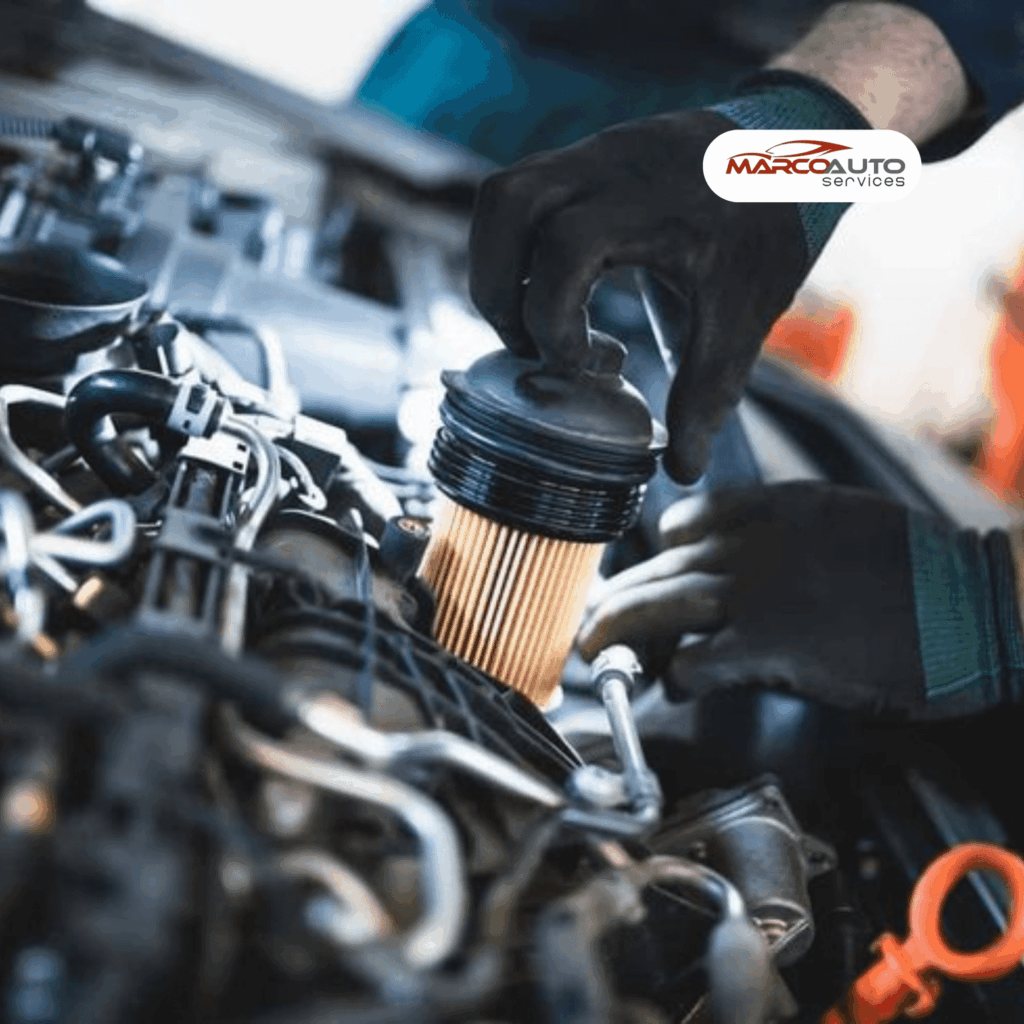
If your car could talk, it’d beg you to follow the owner’s manual. Regular maintenance—oil changes, tire rotations, filter swaps—isn’t optional; it’s the heartbeat of a long life. Oil’s the lifeblood; skip a change, and sludge gums up the engine. A Consumer Reports study found cars with consistent oil changes (every 5,000-7,500 miles, depending on the make) can hit 200,000 miles easy.

Tires Matter: Keep Them Happy (Extend Your Vehicle’s Life)

Tires are your car’s shoes—worn-out ones don’t just slow you down; they stress everything else. Underinflated tires drag your fuel economy and strain the suspension; overinflated ones wear unevenly and risk blowouts. A Tire Rack guide says proper pressure (check your door jamb sticker) and rotation every 6,000 miles can double tire life—and save your chassis.

Listen Up: Catch Problems Early

Your car talks—creaks, rattles, weird hums. Ignore them, and small fixes turn into wallet-busting repairs. A faint squeal from the brakes? Pads might be low. A sluggish start? Battery’s fading. A Popular Mechanics article says catching issues early can cut repair costs by 50%—and keep your car on the road longer.

Clean Living: Protect Inside and Out (Extend Your Vehicle’s Life)

Rust and grime are silent car-killers. Road salt eats metal; dirt traps moisture. Wash your car monthly—underneath too, especially in winter—and wax it twice a year to shield the paint. Inside, vacuum crumbs and wipe spills—mold loves a messy cabin. A Motor Trend tip sheet says a clean car lasts longer and holds value.

Fuel Up Smart: Quality Counts (Extend Your Vehicle’s Life)

Cheap gas might save a dime today, but it can clog your engine tomorrow. Stick to reputable stations—top-tier brands like Shell or Exxon add detergents that keep fuel injectors clean. A AAA study found low-quality fuel boosts carbon buildup, slashing efficiency and lifespan. If your manual says premium, use it—your engine’s tuned for it.

Park with Care: Shelter Extends Life

Where you park matters. Sun bakes paint and cracks dashboards; rain rusts undercarriages. A garage is gold, but even a carport or shade tree helps. A Edmunds guide says UV exposure can age a car’s exterior by years—covered parking slows that clock.

The Bigger Picture: Miles and Memories

A car’s lifespan isn’t just about mechanics—it’s about the stories it carries. That cross-country trip, the daily commute, the kid’s first drive—extending its life keeps those moments rolling. The average car lasts 12 years or 200,000 miles, per U.S. News, but with care, you can push it to 15, 20, even more. It’s not just saving money; it’s keeping a piece of your life alive.

Conclusion: Keep Your Ride Rolling With Marco Autos

Extending your vehicle’s life isn’t rocket science—it’s steady habits and a little love. Drive smart, stick to maintenance, pamper those tires, and listen close, and your car could outlast the skeptics. Need a hand—or just want pros to keep it humming? Contact Marco Autos today. They’re the crew who’ll tune your engine, swap your oil, and spot the squeaks before they scream—because with Marco Autos, your car’s not just a machine, it’s a marathon runner. Give them a call—your ride deserves the VIP treatment.

Read more

5 SIGNS YOUR CAR NEEDS IMMEDIATE ATTENTION: A GUIDE BY MARCO AUTOS

If you own a car, it’s super important to pay attention to signs for vehicle immediate attention, something might be wrong. Noticing these signs can save you from bigger problems later and keep you safe. Here are five clear signs that you shouldn’t ignore.

Warning Lights on the Dashboard (Signs For Vehicle Immediate Attention)

First up, warning lights on your dashboard pretty much scream for help. When lights like the check engine light or oil pressure light pop up, they mean something might not be right with your car. Ignoring them can make things worse. You could end up with a bigger issue, and that often means spending a lot of money on repairs. So, if a light comes on, it’s time to take action.

Unusual Noises (Signs For Vehicle Immediate Attention)

Next, let’s talk about noises. If your car starts making strange sounds like grinding or squealing, that’s a big red flag. For example, if you hear squeaking when you brake, your brake pads might be worn out. This isn’t just annoying; it can lead to serious problems if you don’t look into it.

Fluid Leaks (Signs For Vehicle Immediate Attention)

Now, keep an eye out for fluid leaks. If you spot puddles or spots under your car, it could be leaking oil, coolant, or transmission fluid. Each of these fluids has an important job, and if they leak, your car can really struggle to run. If you see any leaks, it’s best to get a mechanic to check it out right away.

Decreased Performance (Signs For Vehicle Immediate Attention)

Another thing to watch for is a drop in your car’s performance. If your car feels slow to accelerate or the gas doesn’t last as long as it should, something is likely off. It could be an issue with the battery, fuel injectors, or transmission. Getting it looked at sooner rather than later can help pinpoint the problem and get your car back to running smoothly.

Strange Smells (Signs For Vehicle Immediate Attention)

Lastly, don’t ignore weird smells coming from your car. If you notice a burning smell, it could mean your brakes are too hot or there’s an electrical issue going on. A sweet smell might hint at a coolant leak. Each smell hints at different problems, and it’s crucial to find out what’s causing them before they lead to further damage.

Conclusion

Taking care of your car is key to keeping it safe and reliable. If you notice any of these signs, don’t wait. It’s important to get help from a professional. At Marco Autos, we’re here to help. Our team of skilled mechanics is ready to check out anything that might be wrong with your ride. So, if your car is sending you signals, reach out to us. Let’s make sure your car stays in great shape. It’s all about keeping you safe on the road.

Read more

Marco Autos: Your Premier Destination for Engine Installation and Repair

The engine is the heart of your vehicle, where proper maintenance remains necessary. At Marco Autos, we engage in engine installation and repair to various types of engines with the best services for your car.

IMPORTANCE OF PROPER INSTALLATION OF ENGINE

Compatibility Understanding

The selection of the correct engine for your car is very important. An incompatible engine can result in low performance or damage. The make, model, and year are great factors to consider. Our experts at Marco Autos have vast knowledge in different types of engines and will help you find the ideal one for your car.

Common Installation Mistakes to Avoid

Installation is a multi-step process. Following are some of the common installation mistakes that one should avoid:

  • Incorrect alignment of engine mounts
  • Failure to connect all the needed sensors
  • Failure to check fluid levels at the time of installation

The Marco Autos Advantage: Expertise and Precision

Our technicians are professional and experienced individuals. We follow strict guidelines to ensure your engine is installed correctly. With our expertise, you can rest assured that your engine is in good hands.

ENGINE REPAIR SERVICES: DIAGNOSIS AND SOLUTIONS

Comprehensive Diagnostic Testing

Is your engine knocking or not running right? Our diagnostic testing isolates the cause. We utilize modern equipment to inspect parts of your engine.

Repairing Specific Engine Problems

Every engine problem is different. Some of the most common engine problems we see and repair include:

  • Overheating engines
  • Knocking or tapping noises
  • Poor fuel economy

CHOOSING THE RIGHT ENGINE FOR YOUR VEHICLE

Things to Consider When Selecting a Replacement Engine

When selecting a replacement engine, consider:

  • Engine size and type
  • Compatibility with your vehicle’s systems
  • Warranty options

New vs. Used Engines: A Cost-Benefit Analysis

New engines provide reliability but can be costly. Used engines are affordable, but it’s vital to know their history. We can help you weigh the pros and cons of each option.

Expert Guidance from Marco Autos’ Team

Our team will be able to provide consultations to help in choosing the most suitable engine for your vehicle. We answer all your questions and take you through the selection process.

THE MARCO AUTOS PROCESS: FROM DIAGNOSIS TO COMPLETION

Step-by-Step Guide to Our Engine Installation Process

1.Initial Inspection

2.Diagnostic Testing

3.Engine Selection

4.Installation

5.Final Testing

Maintaining Your Engine After Installation

Good maintenance after installation is key. Oil changing at regular intervals and timely inspections will also elongate your engine’s life. We are providing some basic tips to keep your engine healthy.

PREVENTATIVE MAINTENANCE TO PROLONG ENGINE LIFE

Regular Tune-ups and Inspections

Regular inspections catch issues before they become major ones. Schedule tune-ups at least twice a year.

Importance of High-Quality Fluids and Filters

Wear and tear can be avoided by using quality fluids and filters. The cheap alternatives may save money upfront but result in bigger problems later.

Tips to Keep Your Engine Healthy

  • Check your oil levels regularly
  • Keep coolant at recommended levels
  • Change air filters regularly

COST AND PAYMENT PLANS

Open Pricing at Marco Autos

At Marco Autos, we believe in transparent pricing: you always know what to expect, and there are no hidden fees.

Payment Plans and Financing Available

We understand that repairs to the engine can be quite stressful for budgets. That’s why we have flexible financing options available to meet your needs.

Value for Money: Long-Term Savings through Proper Engine Care

Invest in quality repairs and maintenance, which saves costs in the long run. A well-serviced engine runs smoother and lasts longer.

Conclusion

For top-class engine installation and repair, go to Marco Autos. Our team offers expert service with a personal touch. Give us a call today to set up an appointment, and let your engine have the tender loving care it needs!

Read more

WHEN TO REPLACE YOUR TIMING BELT: MARCO’S COMPREHENSIVE GUIDE

Timing belts play a pivotal role in the smooth operation of your vehicle’s engine. Though often unnoticed, their failure can lead to serious engine trouble. Many car owners overlook the importance of timely belt replacement, jeopardizing their vehicle’s health and their finances. This guide will help you appreciate the importance of the timing belt and provide valuable insights into maintaining it properly.

UNDERSTANDING YOUR TIMING BELT

How a Timing Belt Works: A Mechanical Overview

The timing belt connects the crankshaft and camshaft in your engine. Its main duty is to synchronize the rotation of these components, ensuring that the engine’s valves open and close at the right times. A well-functioning belt is crucial for optimal engine performance.

Signs of Wear and Tear: Recognizing the Warning Signs

Be aware of these indicators that your timing belt may need immediate attention:

  • Unusual Noises: Hearing grinding or ticking sounds while the engine runs.
  • Engine Misfires: Problems starting or stalling can signal belt issues.
  • Oil Leaks: Puddles of oil near the belt area might suggest wear.

Timing Belt Materials and Lifespan Variations

Timing belts are generally made from rubber with fiber reinforcement. Their lifespan can vary widely, depending on the manufacturer and driving conditions, averaging anywhere from 60,000 to 100,000 miles.

THE CONSEQUENCES OF NEGLECTING TIMING BELT REPLACEMENT

The timing belt is a crucial part of a car’s engine, ensuring the crankshaft and camshaft rotate in sync so the engine’s valves open and close correctly with the pistons. Failing to replace a worn belt can lead to severe problems, including total engine failure, especially in interference engines where pistons and valves are closely aligned. A broken belt can cause engine damage and high repair costs. Symptoms of a failing belt include rough idling, poor fuel efficiency, and strange noises. Timely replacement helps avoid costly repairs and keeps the vehicle safe and efficient. Following maintenance schedules is essential.

DETERMINING YOUR TIMING BELT REPLACEMENT SCHEDULE

Manufacturer’s Recommendations: Consulting Your Owner’s Manual

Always consult your owner’s manual for specific replacement intervals. Different makes and models might have unique suggestions.

Mileage-Based Recommendations: Factors Influencing Replacement Intervals

Monitor your mileage closely. Regular driving conditions, like stop-and-go traffic versus highway driving, can impact belt replacement needs.

Age-Based Recommendations: Time as a Factor in Belt Degradation

A timing belt can degrade over time even if not driven extensively. Many manufacturers recommend replacing it every 5-7 years.

THE TIMING BELT REPLACEMENT PROCESS

Choosing a Qualified Mechanic: Ensuring Proper Installation

Selecting a mechanic experienced in belt replacements is crucial. This ensures the job is done correctly, preventing future issues.

What to Expect During the Replacement: A Brief Overview of the Process

During replacement, the mechanic will:

  1. Remove the old timing belt.
  2. Inspect related components like pulleys and water pumps.
  3. Install the new belt, ensuring proper tension and alignment.

Post-Replacement Care: Ensuring Long-Term Performance

After replacement, keep an eye on your engine. Regular check-ups can help identify any potential issues early on.

BEYOND THE TIMING BELT: PREVENTATIVE AUTO MAINTENANCE

Importance of Regular Inspections: Identifying Potential Problems Early

Regular vehicle inspections can help catch issues before they escalate. Developing a maintenance schedule is essential.

Other Key Maintenance Components: A Brief Overview

  • Oil Changes: Keep your engine lubricated.
  • Brake Inspections: Safety is paramount.
  • Tire Rotation: Ensures even tire wear.

Resource List: Where to Find Reliable Information and Qualified Mechanics

  • Manufacturer Websites: Access official recommendations.
  • Online Forums: Community advice can be helpful.
  • Review Sites: Look for local mechanics with good ratings.

 CONCLUSION

Knowing when to replace the belt is essential for your vehicle’s health. Pay attention to your owner’s manual and look for signs like unusual noises or engine performance issues. If you’re unsure, don’t hesitate to reach out to the experts at Marco Autos. Regular maintenance keeps your car running smoothly, so contact us today for advice and service. Taking care of your timing belt now can save you from costly repairs later.

Read more

THE IMPORTANCE OF REGULAR OIL CHANGES FOR YOUR VEHICLE’S HEALTH

Regular Oil changes

Did you know that nearly 30% of car breakdowns are due to neglected oil changes? Motor oil plays a critical role in keeping your engine running smoothly. Regular oil changes are essential for maintaining engine longevity, performance, and fuel efficiency.

UNDERSTANDING YOUR CAR’S OIL

Types of Motor Oil

Motor oil comes in several varieties, each designed for specific needs:

  • Conventional Oil: This is the most basic type and works for standard engines. It’s less expensive but needs to be changed more often.
  • Synthetic Oil: Engineered for high-performance vehicles, synthetic oil offers better protection and can last longer than conventional oil.
  • Synthetic Blend Oil: A mix of synthetic and conventional oils, this option provides some benefits of both without the highest cost.
Oil Viscosity

Choosing the right oil viscosity is vital. Refer to your vehicle’s manual to find the recommended viscosity grade. In cold climates, a lower viscosity oil is crucial for easy engine starts, while warmer climates benefit from higher viscosity.

Checking Your Oil Level

Regularly checking your oil level is straightforward:

  1. Park your car on a level surface and turn off the engine.
  2. Wait a few minutes for the oil to settle.
  3. Pull out the dipstick, wipe it clean, then insert it back.
  4. Re-pull the dipstick and check the oil level. It should be between the “low” and “full” marks.

Be sure to wear gloves to protect your hands, as oil can be dirty.

THE CONSEQUENCES OF SKIPPING OIL CHANGES

Engine Sludge Buildup

When oil is left unchanged for too long, it can thicken into sludge. This sludge obstructs vital engine parts, leading to inadequate lubrication. Over time, this process can cause serious damage.

Reduced Engine Performance

Dirty oil can hinder engine performance. You may notice:

  • Decreased power
  • Sluggish acceleration
  • Poor fuel economy

These issues can stem from dirty oil struggling to lubricate moving parts.

Premature Engine Wear

Neglecting regular oil changes accelerates engine wear and tear. Parts rub against each other, increasing friction. Statistics show that repairs due to lack of maintenance can cost car owners an average of $1,200.

BENEFITS OF REGULAR OIL CHANGES

Extended Engine Lifespan

Clean oil effectively lubricates all engine components, reducing friction and wear. This leads to a longer-lasting engine, potentially saving you significant repair costs down the line.

Improved Fuel Efficiency

Regular oil changes help maintain optimal engine performance. Clean oil can lead to better gas mileage. Studies suggest that timely oil changes can lead to savings of up to 10% on fuel costs.

Reduced Emissions

Changing your oil regularly reduces harmful emissions. Cleaner oil keeps your engine running efficiently, contributing to a lower environmental impact.

CHOOSING THE RIGHT OIL AND SERVICE

Finding a Reputable Mechanic

Look for mechanics and service centers with positive reviews. Word-of-mouth referrals from family and friends can also help you find trustworthy service.

Understanding Oil Change Intervals

Consult your vehicle’s owner’s manual for recommended oil change intervals. Factors like driving conditions, climate, and vehicle age can affect how often you should change your oil.

Keeping Records

Maintain a log of all oil changes. This record is essential for warranty purposes and can help you track your vehicle’s maintenance history.

MAINTAINING YOUR VEHICLE’S PEAK PERFORMANCE BEYOND OIL CHANGES

Regular Vehicle Maintenance

Oil changes are just one aspect of car care. Other maintenance tasks include:

  • Replacing air filters
  • Checking brake fluid
  • Rotating tires
Reading Your Owner’s Manual

Your vehicle’s owner’s manual contains specific maintenance recommendations. Following these guidelines will help you keep your vehicle in top shape.

Addressing Warning Signs

Be aware of common warning signs, including:

  • Illuminated check engine light
  • Unusual noises from the engine
  • Oil spots on the ground under your car

These indicators suggest potential oil or engine issues that need immediate attention.

CONCLUSION

Regular oil changes are essential for keeping your vehicle running smoothly and efficiently. They help prevent engine wear, improve fuel efficiency, and extend the life of your car. By maintaining this simple routine, you ensure your vehicle stays reliable and safe on the road. If you’re ready to give your car the care it deserves, contact Marco Autos today to schedule your next oil change. Your vehicle’s health depends on it.

Read more
Recent Comments
    Get a quote

    An duo lorem altera gloriatur. No imperdiet adver sarium pro. No sit sumo lorem. Mei ea eius elitr consequ unturimperdiet.

    Get Quote

    Archives