How to Know When Your Gearbox Is Failing and What to Do About It
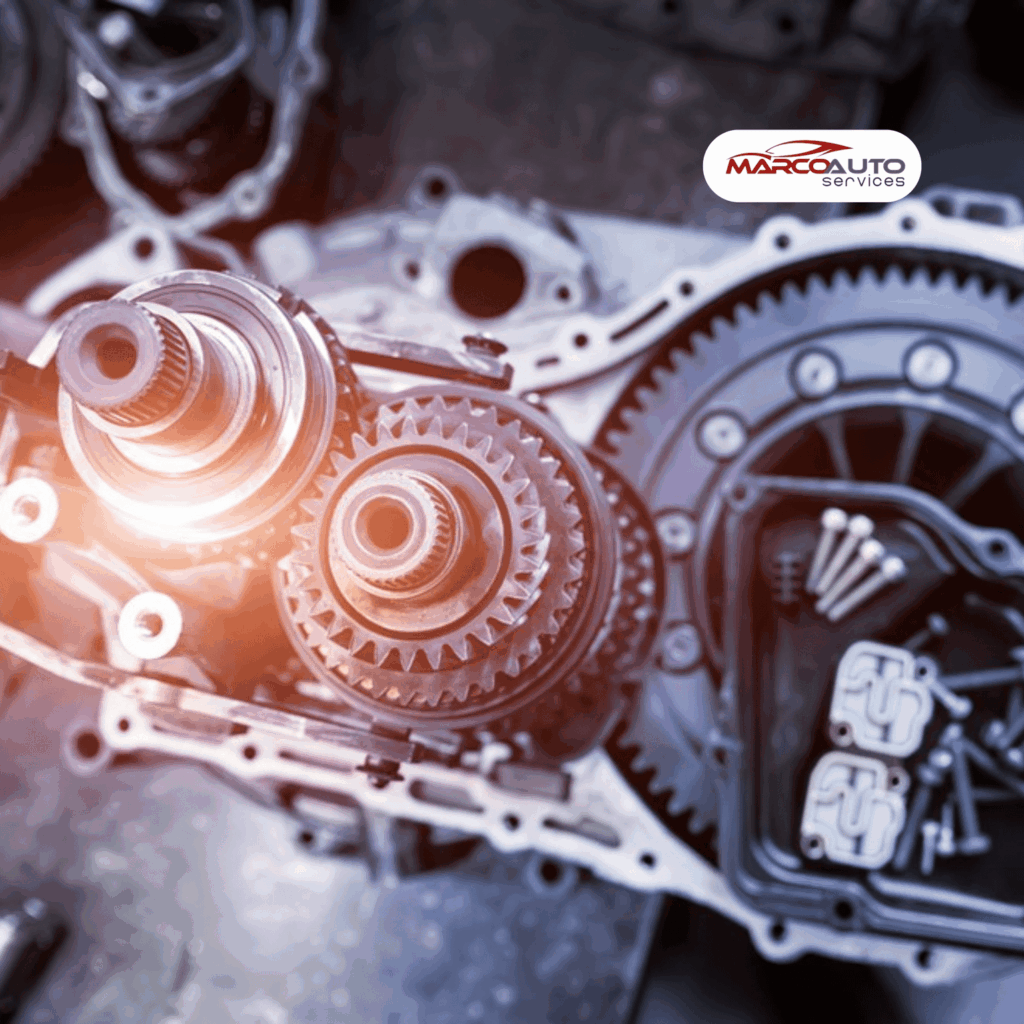
A smoothly working gearbox is vital for any car’s health, yet most of the time, drivers merely notice signs and symptoms when the underlying problem has reached a critical level. Understanding how to identify gearbox problems at an early stage and knowing what steps to take will save you much time, money, and stress. The current-day diary of motoring, where diagnostics are increasingly dependent on smart sensors and AI-supported evaluations, requires you to be better informed to stay several steps ahead. The following article explains the main symptoms indicating gearbox trouble, what actions you should take, and how failing gearbox solutions assist in keeping your car running with consummate efficiency.
Early Warning Signs You Should Never Ignore
Early detection of the first signs of trouble is the best way to avoid complete gearbox failure. Probably the most common warning involves strange noise, grinding, whining, or clunking, particularly when shifting gears. Drivers may notice hesitation or difficulty engaging gears, which often signals early internal wear. These red flags shouldn’t be ignored, as early identification unlocks the door to effective failing gearbox solutions before the problem escalates.
Gear Slippage and What It Means
When your car slips out of gear unexpectedly or struggles to stay in gear, something has seriously gone wrong in the gearbox. This can be attributed to worn-out transmission bands and inner components or insufficient lubrication. The longer one stays in this condition, the higher the chances of costly damage. The sooner the action in seeking professional diagnostics, the more appropriate the failing gearbox solutions that can be suggested by experts for your car.
Leaking Transmission Fluid
Transmission fluid is responsible for cooling the gearbox and lubricating it. If you find that there is fluid pooling under your car or experience a burning smell while driving, this may be due to leakage within the transmission. Low or dirty transmission fluid can lower performance and severely raise friction inside the gearbox. In such a case, immediate assessment becomes crucial so that technicians can consider solutions for a failing gearbox, preventing overheating or permanent damage.
Delayed or Harsh Shifting
One of the surest signs of gearbox failure is related to rough or late shifting. You may experience heavy jerks at gear shifts, or there may be a long time lag before a gear engages. This mostly indicates defects in valve bodies, clogged filters, or malfunctioning electronic controls. In such scenarios, expert intervention becomes very necessary for diagnosing internal issues and considering appropriate *failing gearbox solutions* before the gearbox completely stops working.
Strange Sounds Coming From the Engine Bay
A failing gearbox usually announces its presence through unusual, escalating sounds. Knocking, humming, or metallic rattling noises while gaining speed often indicate worn-out gears, malfunctioned bearings, or misaligned parts. Continuing to drive the car with such noise exposes it to the danger of sudden failure. Immediate inspection helps experts determine the source of the problem and apply failing gearbox solutions that restore quiet, smooth operation.
Gearbox warning lights or error messages
Modern cars have onboard developed systems, together with AI-enhanced sensors that assist in the early detection of gearbox abnormalities. Whenever warning lights, transmission fault codes, or diagnostic error messages appear on your dashboard, you should never ignore them. Such alerts are part of many systems to help one avoid further deterioration of a problem. With digital diagnostics, technicians can easily ascertain the problem and apply appropriate failing gearbox solutions according to real-time data.
Loss of Power or Poor Vehicle Performance
As the gearbox starts to fail, your car may hesitate while accelerating or suddenly lose power. This is very dangerous, especially during overtaking or driving uphill. Loss of power can be due to internal wear, hydraulic pressure failure, or electronic malfunction. Pinpointing it early means one can effectively apply failing gearbox solutions to restore normalcy in power delivery and prevent a complete breakdown of transmission.
Vibrations or Jerking Motions While Driving
You might feel vibrations, shudders, or jerking sensations when your gearbox is failing, especially at shifts of gear or acceleration. These symptoms are usually based on misaligned gears or damaged torque converters. If left unattended, they may result in full transmission seizure. Professional diagnosis helps in the location of the affected components and the implementation of failing gearbox solutions that cease the discomfort and avert long-term damage.
Burning Smell and Overheating
A smell of burning from your car is never good, and in most instances, it signals overheating transmission fluid. Overheating takes place when the gearbox is strained too hard or lubrication has worn out. If unaddressed, parts start wearing out rapidly, which can lead to complete gearbox failure. Seeking expert attention ensures that you get the correct failing gearbox solutions to cool the system and protect your vehicle.
What to Do When You Suspect Gearbox Problems
If any of the signs described above are noticed, no matter how minor they might be, one should not wait. The first step one can take is to check the level and condition of the transmission fluid; however, amateur repairs in the gearbox should be avoided. Gearboxes are of a complicated nature; they require qualified intervention. The safest step one could make is to schedule an inspection with certified mechanics who can conduct detailed diagnostics and provide the best failing gearbox solutions tailored to your car’s condition.
Preventive Maintenance Tips
Regular vehicle maintenance will definitely help you to avoid gearbox troubles in the future. Follow the manufacturer-recommended service intervals, change your transmission fluid when needed, and pay extra attention to how your car sounds and feels. As AI-driven monitoring systems become increasingly available, consider using smart diagnostic tools that track gearbox performance over time. Preventive care combined with expert failing gearbox solutions ensures long-lasting gearbox health.
Conclusion
Your gearbox is one of the most important parts of your vehicle, and neglecting these warning signs could result in costly repairs or complete failure. Early detection of symptoms, swift action, and dependence on professionals help protect your vehicle’s performance and safety. For professional diagnostics, repairs, and the most reliable failing gearbox solutions, clients should contact Marco Autos for expert advice and long-lasting results.