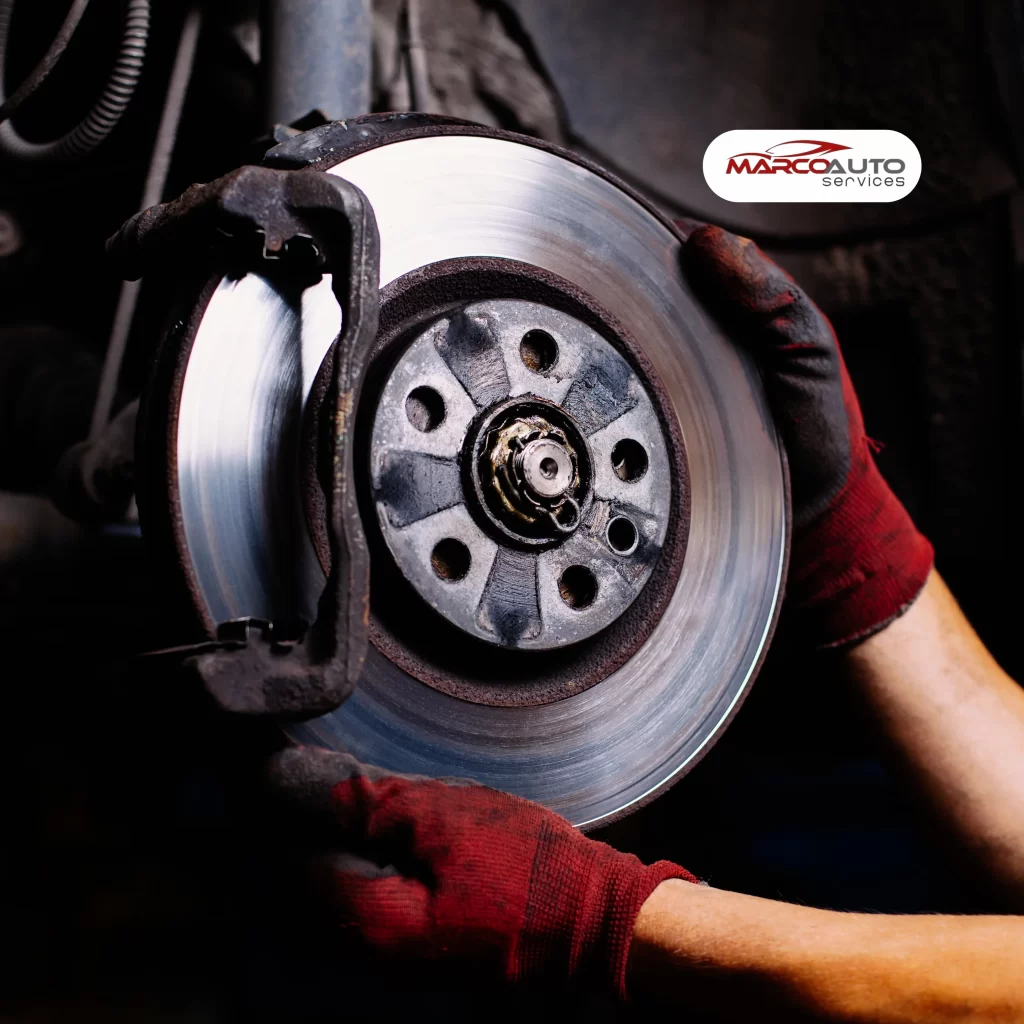
How Much Will the Repairs Cost?

cost of repairs

One of the first questions any vehicle owner asks after noticing a fault is simple: how much will this fix set me back? Whether it’s a strange engine noise, brake failure, transmission issues, or accident damage, uncertainty can be stressful. The truth is that the cost of repairs depends on several technical and economic variables, including the type of vehicle, the severity of damage, labor rates, and the availability of parts. Understanding these factors helps you make informed decisions instead of reacting emotionally to a repair estimate.

In today’s automotive landscape, where vehicles are increasingly computerized, repair pricing is no longer as straightforward as replacing a mechanical component. Modern diagnostics, electronic control modules, and specialized tools all influence final pricing. Let’s break this down systematically.

Factors That Influence Pricing

When evaluating the cost of repairs, professionals assess multiple variables before providing a quotation. These factors often determine whether you’re looking at a minor expense or a major financial commitment.

Key determinants include:

  • Type of damage: Mechanical, electrical, structural, or cosmetic
  • Vehicle make and model: Luxury and imported vehicles typically attract higher parts and labor costs
  • Parts availability: Genuine OEM parts are more expensive than aftermarket alternatives
  • Labor complexity: Engine rebuilds require more hours than brake pad replacements
  • Diagnostic requirements: Advanced scanning tools may be needed for modern vehicles

For example, replacing brake pads may be relatively affordable, while repairing a transmission system could be significantly higher due to labor-intensive processes and specialized expertise. Each case must be evaluated individually rather than generalized.

Common Repairs and Average Ranges

To give perspective, it helps to look at general repair categories. While exact pricing varies by region and workshop, these examples provide a reference framework for understanding the cost of repairs in typical situations.

  • Brake pad replacement: Moderate pricing due to manageable labor hours
  • Battery replacement: Usually affordable unless programming is required
  • Engine diagnostics: Depends on scanning time and troubleshooting depth
  • Suspension repairs: Costs increase if multiple components are worn
  • Accident bodywork: Highly variable based on panel damage and paint matching

Keep in mind that modern vehicles equipped with sensors and driver-assist systems may require recalibration after repairs. This additional process can raise pricing beyond what older vehicles would require for similar physical damage.

The Role of Technology in Modern Repairs

Today’s vehicles are essentially computers on wheels. From electronic throttle control to advanced driver assistance systems (ADAS), digital integration has transformed automotive engineering. Naturally, this affects the cost of repairs because technicians must use diagnostic scanners, software updates, and recalibration systems.

Here’s an important question: Can artificial intelligence help reduce vehicle repair uncertainty in the future? Increasingly, AI-powered diagnostic systems are being used to predict component failure before breakdown occurs. Predictive maintenance may lower long-term expenses by addressing minor issues early. However, implementing such technology also requires specialized tools and training, which can influence workshop pricing structures.

The balance between innovation and affordability is ongoing. While AI improves accuracy and efficiency, it does not eliminate the need for skilled technicians who interpret diagnostic data and carry out precision work.

Labor vs. Parts: Where the Money Goes

When reviewing a repair estimate, it’s important to distinguish between labor charges and parts pricing. In many cases, the cost of repairs is split almost evenly between these two components, although complex mechanical jobs may lean heavily toward labor expenses.

Labor Costs Cover:

  • Technician expertise and certifications
  • Workshop overhead and equipment
  • Diagnostic time
  • Safety compliance procedures

Parts Costs Cover:

  • Replacement components
  • OEM versus aftermarket selection
  • Importation or shipping fees
  • Warranty coverage

Choosing cheaper parts may reduce immediate expenses but could lead to shorter component lifespan. Reputable workshops typically advise on the best balance between durability and affordability.

Preventive Maintenance as a Cost-Control Strategy

One of the most effective ways to manage the cost of repairs is preventive maintenance. Routine servicing identifies wear-and-tear issues before they escalate into major mechanical failures.

Examples include:

  • Regular oil and filter changes
  • Brake inspections
  • Tire rotation and alignment
  • Cooling system checks
  • Battery testing

Neglecting these routine tasks often leads to compounded problems. For instance, ignoring a minor oil leak could eventually result in engine damage, dramatically increasing repair expenses. Preventive care is not an extra expense; it is a strategic investment.

Transparency and Professional Assessment

No two vehicles present identical conditions. A professional inspection is essential to accurately determine the cost of repairs rather than relying on assumptions or online estimates.

A reliable workshop will typically:

  • Conduct a diagnostic scan
  • Perform a physical inspection
  • Provide a breakdown of parts and labor
  • Explain optional versus urgent repairs
  • Offer warranty details

Transparency builds trust. Clear communication ensures you understand what is essential for safety and what can be scheduled later. Avoid workshops that provide vague pricing without inspection.

Why Experience Matters

Automotive repair is both technical and experiential. Workshops with seasoned technicians can often diagnose faults more efficiently, which directly impacts the cost of repairs by reducing unnecessary part replacements or trial-and-error approaches.

Experienced professionals understand:

  • Manufacturer-specific repair procedures
  • Common failure patterns in certain models
  • Accurate troubleshooting sequences
  • Proper calibration techniques

Inexperienced handling can lead to repeat repairs, compounding expenses over time. Selecting the right service provider is just as important as the repair itself.

Conclusion

Ultimately, the cost of repairs is determined by a combination of vehicle type, damage severity, labor expertise, technology requirements, and parts quality. While pricing varies from one situation to another, informed decision-making and preventive maintenance significantly reduce long-term financial strain.

If your vehicle requires inspection or you need a transparent and professional assessment, reach out to Marco Autos. Their experienced technicians provide clear diagnostics, honest pricing, and dependable workmanship. Instead of guessing what your repair might cost, consult specialists who prioritize both safety and value. Your vehicle deserves expert care, and so does your budget.
Read more

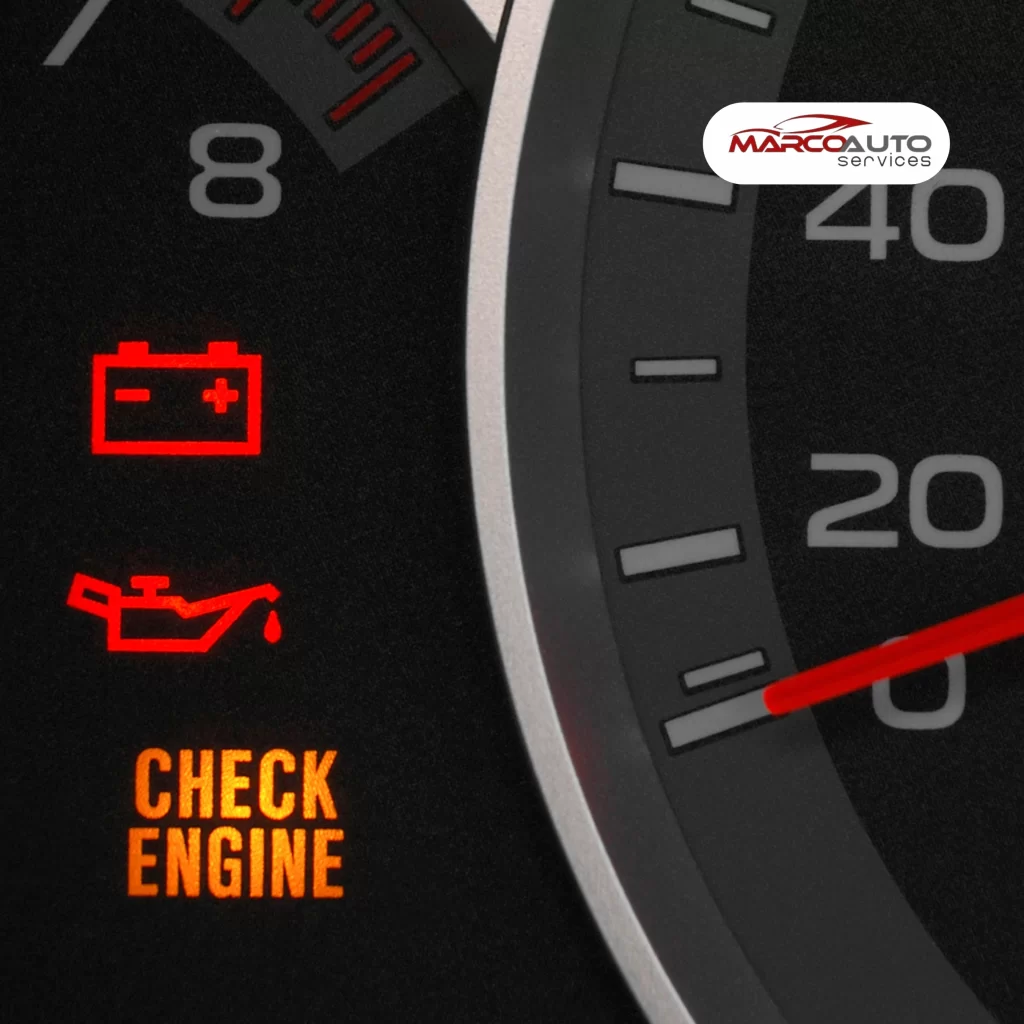
Why Is My Check Engine Light On?

Check Engine Light

Few dashboard warnings create as much anxiety as the check engine light. One moment you’re driving normally, and the next, a small illuminated symbol raises serious questions about your vehicle’s condition. Is it something minor? Is your engine about to fail? Should you stop immediately? These are common concerns, and they’re valid. Modern vehicles are equipped with complex onboard diagnostic systems designed to detect issues early, often before noticeable symptoms appear.

Understanding why the check engine light comes on is essential for protecting your vehicle’s performance, safety, and longevity. In this article, we’ll break down the most common causes, explain what the warning actually means, and guide you on the right steps to take when it appears.

What Does the Warning Actually Mean?

The check engine light is part of your vehicle’s On-Board Diagnostics system, commonly referred to as OBD-II. This system continuously monitors various engine components, sensors, and emission controls. When it detects a problem outside normal operating parameters, it stores a diagnostic trouble code (DTC) and activates the warning indicator.

Importantly, this alert doesn’t automatically mean catastrophic engine failure. It simply indicates that the system has identified an irregularity that needs attention. Sometimes the issue is minor, while other times it could signal a serious malfunction requiring immediate service.

Loose or Faulty Gas Cap

One of the most common and surprisingly simple causes of the check engine light is a loose or damaged gas cap. Your fuel cap plays a crucial role in maintaining pressure within the fuel system and preventing fuel vapors from escaping.

If the cap isn’t tightened properly, the system detects a leak in the evaporative emissions system (EVAP). This triggers the warning. Fortunately, this is often an easy fix: tighten the cap until it clicks securely. If the light remains on after a few driving cycles, the cap itself may need replacement.

Oxygen Sensor Malfunction

Your vehicle relies on oxygen sensors to measure the amount of unburned oxygen in the exhaust system. These sensors help regulate the air-fuel mixture for optimal combustion and fuel efficiency.

When an oxygen sensor fails, it can lead to increased fuel consumption, rough idling, or higher emissions. If ignored, it may damage the catalytic converter, one of the more expensive components to replace. This is a frequent reason why the check engine light illuminates and should not be neglected.

Catalytic Converter Issues

The catalytic converter reduces harmful emissions by converting carbon monoxide and other toxic gases into less harmful substances. When it becomes clogged or fails, engine performance can decline significantly.

Symptoms may include reduced acceleration, poor fuel efficiency, or unusual exhaust odors. If the check engine light is flashing rather than steady, this may indicate a more urgent issue such as a severe misfire that could damage the converter. Immediate professional inspection is recommended in such cases.

Spark Plugs and Ignition Coils

Spark plugs ignite the air-fuel mixture inside the engine’s cylinders, while ignition coils supply the necessary voltage. Worn or faulty components can lead to misfires, rough performance, and difficulty starting the vehicle.

Engine misfires are not only inefficient but can also cause long-term damage if left unresolved. A persistent check engine light combined with engine shaking or reduced power is often linked to ignition system problems. Routine maintenance significantly reduces this risk.

Mass Airflow Sensor Problems

The mass airflow (MAF) sensor measures the amount of air entering the engine and ensures the correct fuel injection ratio. If it becomes dirty or defective, your vehicle may experience hesitation, stalling, or decreased fuel efficiency.

A malfunctioning MAF sensor can disrupt overall engine balance. When this component fails, the check engine light may appear even before noticeable driving symptoms become severe. Cleaning or replacing the sensor often restores performance quickly.

Emissions Control System Faults

Modern vehicles are designed to meet strict environmental regulations. The evaporative emissions system, EGR valve, and other related components work together to reduce pollutants.

When any part of this system malfunctions, it can trigger the check engine light. Although the vehicle may still drive normally, emissions-related problems should be addressed promptly to avoid failing inspections or causing additional strain on engine components.

Electrical or Sensor-Related Issues

Vehicles today contain dozens of sensors monitoring temperature, pressure, timing, and performance metrics. A faulty sensor or wiring issue can sometimes activate the check engine light even if the engine itself is functioning properly.

Diagnostic scanning tools are required to identify the specific trouble code stored in the system. This is where modern automotive technology becomes particularly interesting. AI-driven diagnostic tools are increasingly being used in workshops to interpret patterns in vehicle data, could artificial intelligence soon predict failures before drivers ever see a warning indicator?

Steady Light vs. Flashing Light

It’s important to distinguish between a steady illumination and a flashing warning. A steady check engine light typically indicates a non-urgent issue that should be inspected soon.

A flashing indicator, however, signals a severe problem, often an active engine misfire, that can cause immediate damage. In this case, you should reduce speed and seek professional assistance as quickly as possible. Ignoring a flashing warning can result in costly repairs.

What Should You Do Next?

When the check engine light appears, avoid panic but don’t ignore it. Start by checking simple possibilities such as the gas cap. If the light persists, have the vehicle scanned using a professional diagnostic tool.

While some drivers purchase personal OBD-II scanners, interpreting codes accurately requires technical expertise. A code only indicates where the problem was detected, not necessarily the exact component that must be replaced. Proper diagnosis prevents unnecessary part replacements and saves money.

Preventive Maintenance Matters

Many causes of the check engine light can be prevented through routine servicing. Regular oil changes, timely spark plug replacement, air filter cleaning, and fuel system maintenance all reduce the likelihood of unexpected alerts.

Preventive care not only enhances reliability but also extends engine life and improves fuel efficiency. Addressing minor issues early often prevents major mechanical failures later.

Conclusion

Seeing the check engine light can be unsettling, but it’s ultimately a protective feature designed to safeguard your vehicle. From loose gas caps and sensor malfunctions to more serious catalytic converter or ignition system failures, the underlying causes vary widely. The key is prompt, accurate diagnosis and professional repair.

If you’re experiencing persistent warnings or unusual driving symptoms, don’t delay. Reach out to Marco Autos for expert diagnostics, reliable repairs, and trusted automotive care. Their experienced technicians can quickly identify the issue and ensure your vehicle returns to optimal performance with confidence.

Read more
Recent Comments
    Get a quote

    An duo lorem altera gloriatur. No imperdiet adver sarium pro. No sit sumo lorem. Mei ea eius elitr consequ unturimperdiet.

    Get Quote

    Archives