How Weather Affects Fan Belt Lifespan (5 Examples)

Fan Belt Lifespan

Weather conditions significantly affect vehicle performance, particularly on engine components like fan belts under constant tension and heat. Recognizing the impact of weather on fan belt lifespan enables car owners to foresee issues, minimize breakdowns, and make informed maintenance choices to avoid costly repairs.

Extreme Heat and Its Effect on Fan Belt

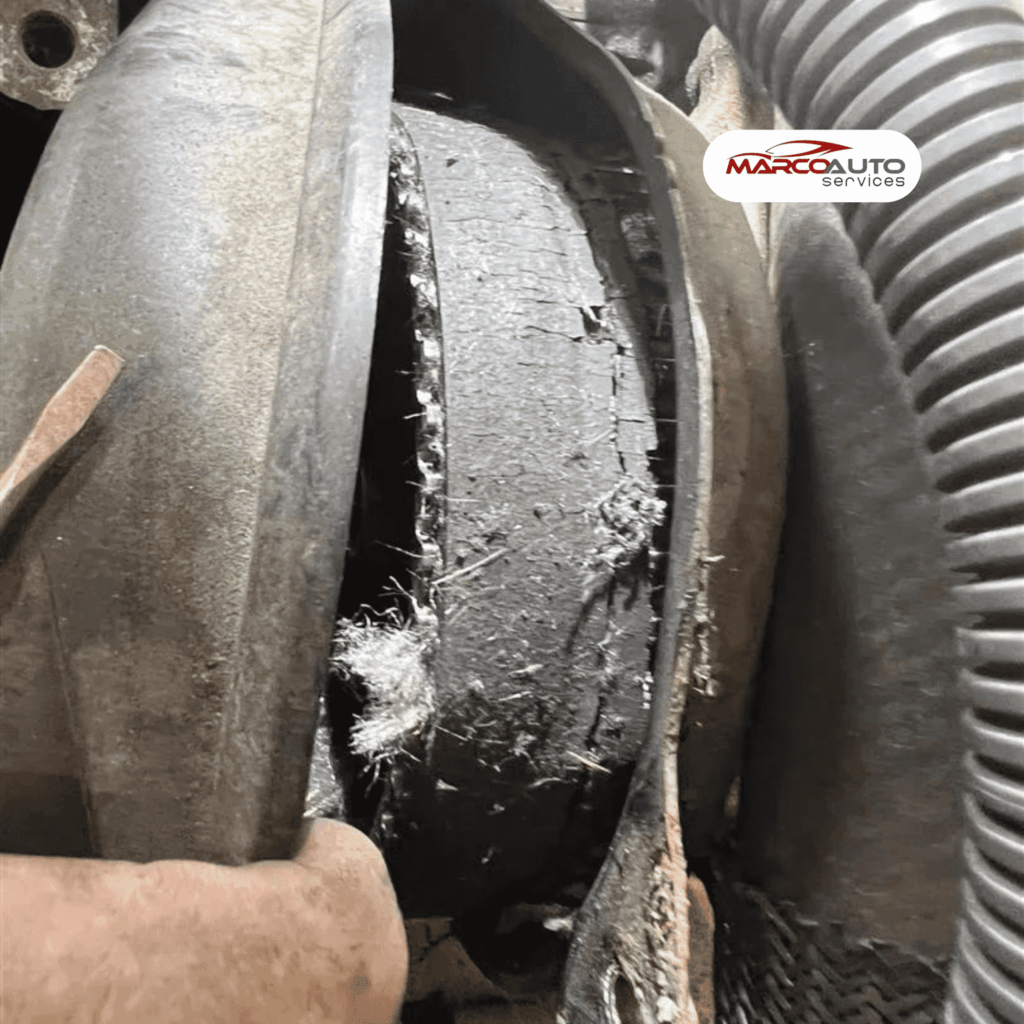
High temperatures are one of the most aggressive threats to Fan Belt Lifespan, particularly in hot climates where engines already run warm. Prolonged exposure to heat causes the rubber compounds in fan belts to dry out faster than intended. As the belt loses flexibility, it becomes brittle and more prone to cracking or snapping under load.

Heat also accelerates engine bay temperatures, increasing friction between the belt and pulleys. Over time, this friction leads to glazing, a smooth, shiny surface on the belt that reduces grip and efficiency. When this happens, the Fan Belt Life expectancy shortens significantly, even if the belt appears intact at first glance.

Cold Weather and Reduced Fan Belt

Cold weather affects Fan Belt Lifespan in a different but equally damaging way. In low temperatures, rubber contracts and stiffens, reducing elasticity. When you start your engine on a cold morning, the belt is suddenly forced to flex at high speed while still rigid, increasing stress on its internal fibers.

Repeated cold starts can weaken the belt structure over time, especially if the belt is already aging. This is why squealing noises are common in cold conditions, they often signal that Fan Belt Life expectancy is nearing its limit due to reduced flexibility and grip.

Humidity, Rain, and Fan Belt Lifespan

Moisture plays a quiet but destructive role in reducing Fan Belt Lifespan. In regions with high humidity or frequent rainfall, water can seep into the engine bay and interact with dirt, oil residue, and road grime. This combination creates abrasive conditions that slowly wear down the belt surface.

Excess moisture can also promote corrosion on pulleys and tensioners, causing uneven contact with the belt. Misaligned belts wear unevenly, reducing lifespan, regardless of the quality of materials used.

Dust, Dry Seasons, and Fan Belt Lifespan

Dry, dusty environments are often underestimated when considering Fan Belt Lifespan, yet they can be extremely harmful. Dust particles act like sandpaper, gradually eroding the belt as it rotates at high speed. Over time, this constant abrasion weakens the belt’s outer layer and exposes its internal cords.

In dry seasons, dust can also clog pulley grooves, reducing proper belt seating. This leads to slippage, increased heat, and accelerated wear. As a result, Fan Belt Life expectancy decreases gradually through unnoticed degradation; regular inspections are essential.

Seasonal Changes and Fluctuating Fan Belt Lifespan

Rapid seasonal transitions place unique stress on Fan Belt Lifespan because the belt must repeatedly adapt to changing temperatures and humidity levels. Expansion in heat and contraction in cold create a cycle of tension changes that strain the belt material over time.

This constant adjustment can weaken the belt’s internal structure, especially if the tension is not properly set. Modern maintenance increasingly relies on predictive tools, raising an important question: Can AI-driven vehicle diagnostics accurately predict changes in Fan Belt Life expectancy before visible damage occurs? As technology-based monitoring becomes more common, early detection of weather-related wear may soon become the norm.

Practical Maintenance Tips to Protect Fan Belt

Protecting Fan Belt Lifespan starts with awareness and routine care. Regular inspections help identify cracks, glazing, or fraying before complete failure occurs. Keeping the engine bay clean reduces the impact of dust and moisture, while proper belt tension ensures even wear across all seasons.

Using manufacturer-recommended belts designed for your climate can also extend Fan Belt Life expectancy. Advances in material science are producing belts that tolerate wider temperature ranges, offering better durability in extreme conditions.

Conclusion

Weather significantly impacts Fan Belt Lifespan, with heat, cold, humidity, and dust contributing to wear. Understanding these effects enables proactive maintenance to prevent breakdowns and extend component life. For inspections, replacements, and tailored advice, clients are encouraged to contact Marco Autos for optimal vehicle performance throughout the year.

Read more

How to Extend the Lifespan of Your Engine with Smart Maintenance Techniques

extending engine lifespan

The owners of today are more conscious about maintaining their vehicles, considering the rise in repair costs and an ongoing buzz on durability. Smart maintenance techniques have indeed been quite effective and proficient in extending the lifespan of an engine without requiring excessive expertise or expensive interventions. Proactive methods involving the use of technology, including recent AI-based diagnostic systems, would go a long way in improving performance and reliability over time. Knowing how these practices work will help you further extend the life of your engine and protect your investment in your vehicle.

The Core Principles of Engine Health

Before delving into sophisticated approaches, one needs to grasp the fundamental reasons that help in extending the life of a motor. An internal combustion engine requires adequate lubrication, restricted temperatures, clean air, and proper fuel supply for its smooth running. Any malfunctioning in any of these mechanisms results in accelerated wear and potential damage in the long run. Smart maintenance is facilitated by dedication to learning about how these core elements function and how small adjustments can yield large improvements.

Prioritizing Regular Oil and Filter Changes

Perhaps the most basic yet most effective ways of prolonging an engine’s life is by following regular oil change intervals. Oil serves to lubricate moving parts, minimizing friction and preventing overheating. After some time, oil degrades and accumulates debris that diminishes the performance of the engine. Similarly, filters block and impede the normal flow of oil. Wise servicing means opting for premium oils, paying close attention to viscosity ratings, and using filters designed for your type of engine. These minor interventions spare big mechanical breakdowns.

Temperature and efficiency of cooling system monitoring

Considering overheating is among the top reasons for engine failure, maintaining optimal temperature improves engine life significantly. Modern cooling systems rely on effective radiators, thermostats, coolant mixes, and water pumps. Maintenance should involve smart regular checks of coolant levels, assessment of coolant quality, and inspection for leaks or surface cracks in hoses. A small shortage of coolant can quickly result in serious overheating. Temperature monitoring devices and AI-powered sensors alert you to take timely action before the damage has been done.

Leveraging AI-driven diagnostics for early detection

In this age of advanced automotive engineering, AI-driven car diagnosis helps in extending the lifespan of the engine by finding underlying issues much earlier than would be possible with traditional inspection methods. These systems analyze vibration patterns, temperature fluctuations, fluid conditions, and ignition performance. Machine-learning algorithms can predict potential failures before they happen, saving drivers from sudden breakdowns. The question is: what does the future hold for AI’s redefinition of preventive engine maintenance within the next decade? The integration of this innovation into routine servicing will definitely help improve efficiency and accuracy by many folds.

Cleanliness and Efficiency of the Air Intake System

The air intake system stands out because it can help towards increasing the life of the engine, as long as this allows clean air to flow in through the combustion chambers. Dust, dirt, and other debris block filters and impede breathing, raising the workload on the engine. Smart maintenance means inspecting air filters every few thousand kilometers and replacing them as necessary. Drivers who operate in dusty environments can also get high-performance filters. By ensuring smooth airflow, the engine can keep its proper combustion, power delivery, and fuel efficiency.

Using High-Quality Fuel and Monitoring Fuel Systems

Fuel quality directly affects the performance of an engine and is very important for ensuring a long life of the engine. Bad-quality fuel contains impurities that block injectors, negatively affect combustion efficiency, and damage internal components. Smart maintenance involves fueling only at reputable stations, adding fuel system cleaners periodically, and inspecting injectors for buildup. When injectors, pumps, and filters are doing their job right, the engine runs right-smoothly, cleanly burning fuel and resistant to premature deterioration.

Adopting Proper Driving Habits

Driving behavior greatly influences the prolonging of an engine’s life. Quick accelerations, too much idling, and aggressive braking create undue stress on the internal components. Intelligent maintenance involves more than just checking up on the mechanics; it’s about responsible driving: accelerating slowly, driving at constant speeds, and not overloading the engine. In time, these minor changes will reduce wear and keep the engine in good condition.

ROUTINE INSPECTION OF BELTS, HOSES, AND MECHANICAL COMPONENTS

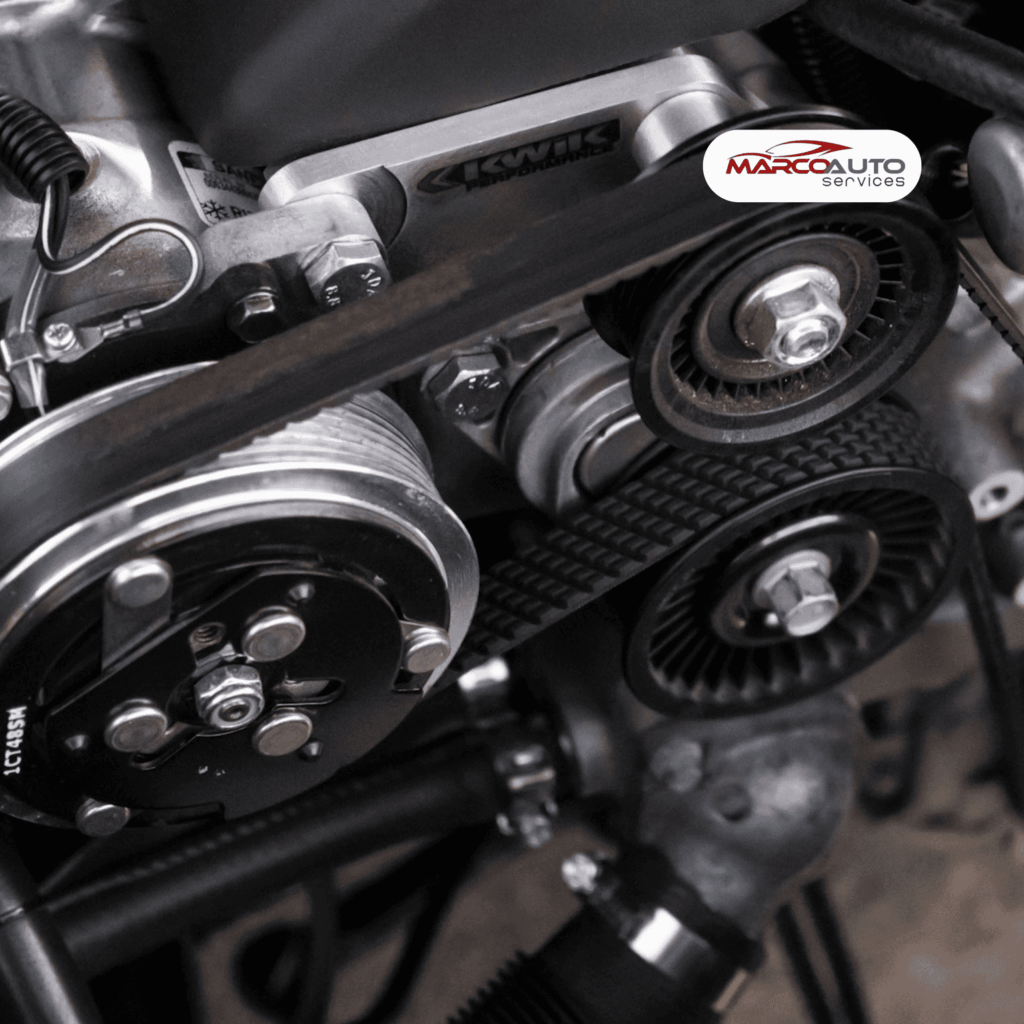
Belts and hoses usually wear out without fuss, but their failure can entail costly mechanical breakdowns. They are all vital in the work of prolonging engine life, particularly as the serpentine belt powers such critical features as the alternator and power steering pump. Smart maintenance includes an examination for cracks and tension tests in replacement of worn components before they actually break. This can save money by avoiding breakdowns caused due to overlooked parts.

Maintaining Proper Lubrication Beyond Engine Oil

While the engine oil is crucial, other lubricated systems also affect the extension of the lifespan of any engine. Transmission fluid, differential oil, and power steering fluid all play their part in the overall performance and longevity of a vehicle. Smart maintenance would mean periodic checks for each of these fluids, ensuring proper viscosity, color, and cleanliness. Overheating, friction damage, and noisy operation are common characteristics of neglected fluid systems that always influence the engine indirectly.

Stability of the Battery and Electrical Systems

The electrical system needs to work in the right manner to help extend the life of the engine, as weak battery performance stresses ignition and fuel systems. Smart maintenance involves checking for clean battery terminals, ensuring charge levels are within specification, and inspecting alternator functionality. Poor electrical systems can cause misfires, difficult starts, and inconsistent engine performance. Regular diagnostic checks keep the system in balance and prevent the wear on internal components.

Servicing by Professionals Scheduled

Even with great personal service, professional maintenance cannot be dispensed with to extending engine lifespan Professional certified technicians use special tools and equipment to locate hidden problems, to recalibrate systems, and to conduct advanced diagnostics. Smart maintenance means sticking to factory-recommended service schedules and consulting professionals when strange noises, wobbles, or other dashboard warnings show up. Expert intervention ensures precision that routine personal checks may not avail.

Conclusion

Long life for engines is possible through purposeful, intelligent maintenance techniques, which combine basic care, responsible driving, and modern technological tools. AI-powered diagnostics, clean systems, and proactive habits contribute much to performance and long-term reliability. Clients should contact Marco Autos for expert assistance in tailored servicing and professional guidance on extending engine lifespan for comprehensive automotive solutions.

Read more

The Ultimate Guide to Preventive Maintenance for a Longer Vehicle Lifespan

Longer Vehicle Lifespan

Every car owner wants their vehicle to live longer without breakdowns and repairs that eat into their pockets. It’s not luck, it’s the result of regular preventive care. Just like the human body needs regular check-ups to stay fit, a car requires regular maintenance to keep running. Understanding how preventive maintenance brings a longer vehicle lifespan to your car can translate to time, stress, and money saved.

Why Preventive Maintenance Matters

Preventive maintenance is the secret to an extended vehicle lifespan. Preventive maintenance involves inspection, maintenance, and replacement of parts before they occur. The majority of car owners take their car to a mechanic only after warning lights or unusual sounds show up. Preventive maintenance, however, identifies issues early, keeps your car in its optimal condition, and its longevity is enhanced overall. By being proactive, you’re not just fixing issues, you’re investing in a longer vehicle life and seamless performance.

Periodic Oil Changes: The heartbeat of a Healthy Engine

Your engine is akin to the heart of the human body, and oil is the blood that circulates and keeps it beating. Periodic oil changes are one of the simplest yet most effective ways of achieving a longer vehicle life. Fresh oil lubricates engine parts, generates less friction, and prevents overheating. Over time, old oil becomes thick and dirty, causing the engine to work harder and wear out faster. By following your manufacturer’s oil change schedule, you’re ensuring your car enjoys a smoother ride and a longer vehicle lifespan without unexpected engine troubles.

Tire Care: The Foundation for Safety and Longevity

Wheels pay a considerable role in an extended car life due to their influence on fuel efficiency, traction, and safety. Worn-out or low-pressure tires can stress your suspension system and decrease gas mileage. Monitoring tire pressure, alignment, and tread depth ensures even wear and prevents premature wear. Tire rotation every few thousand miles not only keeps you out of costly replacements, but also serves a longer car life by maintaining stability and handling.

Fluid Tests and Replacements

Apart from engine oil, several other fluids are responsible for a longer lifespan of the vehicle. Coolant, brake fluid, transmission fluid, and power steering fluid all have crucial roles to play in keeping different systems in top shape. When fluids deteriorate or leak, the vehicle is prone to overheating, brake failure, or a damaged transmission. Frequent checks and timely replacement of such fluids avoid each part failing, protecting the engine and ensuring a longer lifespan of the vehicle for years to come.

Brake System Maintenance

Your brakes are not just for safe stops, but for maintaining your vehicle’s long life as well. Not taking care of squealing or soft brakes can cause damage to rotors and expensive components. Preventative maintenance involves checking brake pads, discs, and fluid on a regular basis. A well-maintained braking system not only saves you in a bind, but also prevents wear and tear on related systems, resulting in less wear and tear, a smoother ride, and a longer overall vehicle life.

Battery and Electrical System Test

A reliable electrical system is what will allow for extended vehicle life. The battery powers everything from the ignition to onboard electronics, and a weak or corroded battery will result in a host of problems. Regular terminal cleaning, charge level maintenance, and the replacement of old batteries avoid expensive breakdowns. Preventative maintenance in this regard keeps your car’s electrical systems in place and specifically adds to an extended vehicle life with enhanced performance and reliability.

Air Filter and Spark Plug Replacement

Small components like air filters and spark plugs contribute in a big way towards the achievement of a longer life for the automobile. A soiled air filter disrupts air flow, and the engine uses extra fuel and operates tougher. Faulty spark plugs also lead to misfires and reduced power. Replacing these inexpensive parts on a regular basis ensures maximum fuel economy and smooth starting. This small act of maintenance improves engine health and contributes in a big way towards a longer lifespan of the car.

Suspension and Steering System Inspect

If your ride is bumpier or less stable than it used to be, your suspension system may be under duress. Adequate suspension maintenance is crucial for an extended lifespan of the vehicle as it impacts not only comfort but also safety and handling. Regularly inspecting shocks, struts, and steering parts avoids excessive vibration, uneven tire wear, and misalignment. An optimally balanced suspension keeps your vehicle performing at its best, resulting in an extended vehicle lifespan and a more comfortable ride.

Seasonal Maintenance for Different Weather Conditions

There are different seasons, and every season has its own challenge for your car. Cold weather will glaciate fluids, while heat taxes your battery and cooling system. Maintenance scheduled accordingly for different seasons will give your car a longer life. For instance, before winter, antifreeze levels need to be inspected, while in summer, inspect the air conditioner and cooling system. This adaptability ensures your car to be effective and strong irrespective of environmental changes, contributing a lot to extended car life.

The Role of Technology and AI in Preventive Maintenance

The future of car maintenance is artificial intelligence. Modern cars use AI-based diagnostics to detect flaws before they become evident. Imagine your vehicle predicting when the brake pads need to be replaced or sending you a notification of the dwindling battery life, all in real-time. Such technologies make it easier than ever before to prolong the life of the vehicle. With AI-enabled maintenance reminders and smart analytics, drivers can make informed decisions based on data to prolong the efficiency, reliability, and longevity of their vehicles.

Conclusion: Ride with Marco Autos for a Longer Lifespan of Your Vehicle

Ultimately, preventive maintenance is not a one-time assignment but an ongoing care regime for your vehicle’s well-being. With every check-up, oil change, and replacement, you’re rewarded with a longer lifespan of your vehicle, improved performance, and greater resale value. Drive daily or occasionally, consistency in care makes the difference.

At Marco Autos, we are committed to providing excellence in preventive maintenance that is specially designed to offer extended life for your vehicle irrespective of make and model. Our expert technicians use cutting-edge diagnostic tools, including AI-powered systems, to keep your vehicle in its best state. Don’t wait for problems to arise; secure your car’s future today.

Reach out to Marco Autos for expert maintenance services that guarantee safety, reliability, and extended lifespan of the car for years to come.

Read more
Recent Comments
    Get a quote

    An duo lorem altera gloriatur. No imperdiet adver sarium pro. No sit sumo lorem. Mei ea eius elitr consequ unturimperdiet.

    Get Quote

    Archives