Brake Fluid Flush Processes: Getting the Best Out of Wet-Weather Performance
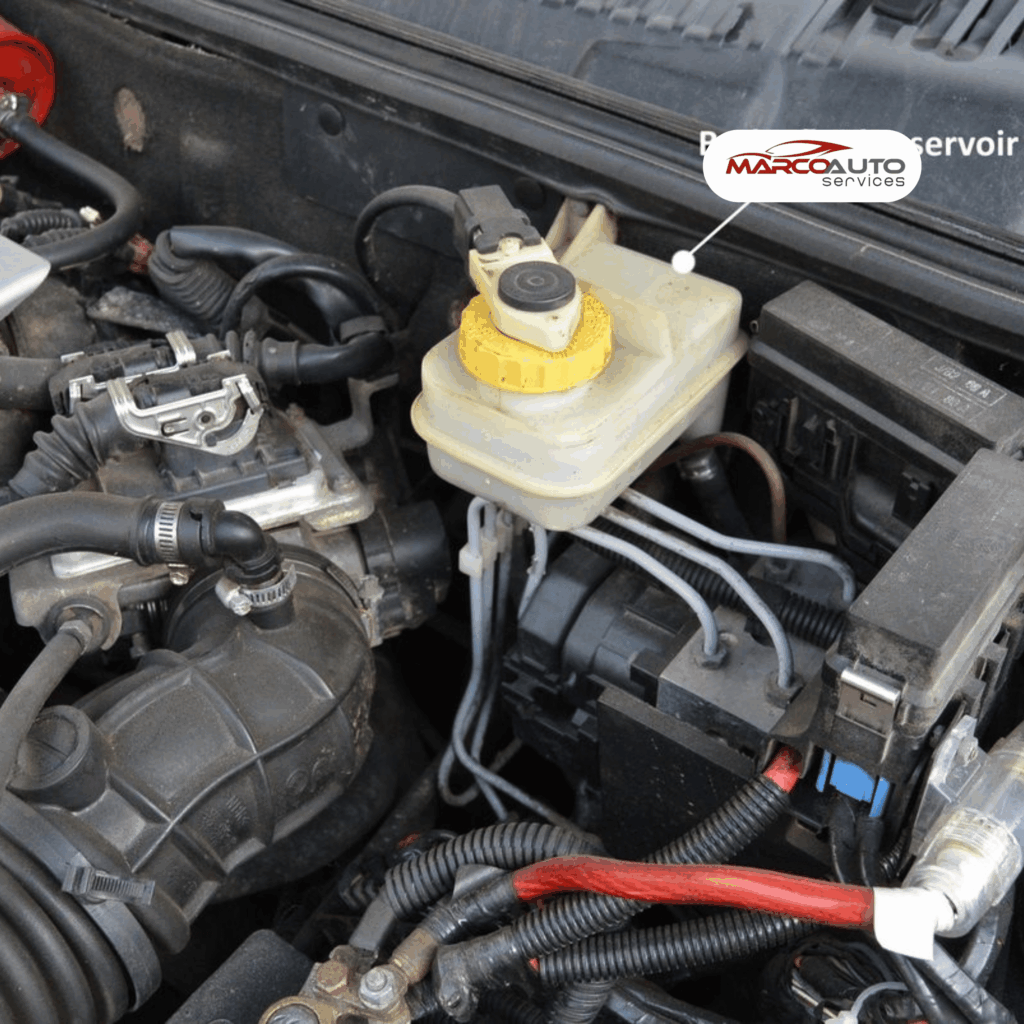
Brake fluid is the unsung hero of your car’s braking performance. It’s a hydraulic fluid that transfers the pressure of your foot on the brake pedal to the brake calipers, which in turn compress the rotors to slow or stop your car. Brake fluid is hygroscopic, however; it eagerly pulls in water from the air. This is especially objectionable in humid climates, where the high air humidity content can easily contaminate the fluid, leading to compromised braking performance and even safety hazards. This serves to underscore the importance of understanding and adhering to proper Brake Fluid Flush Procedures.
The Dangers of Damaged Brake Fluid
When brake fluid absorbs moisture, its boiling point significantly decreases. Under hard braking, the friction generates a lot of heat. Contaminated brake fluid will boil, creating vapor bubbles in the brake lines. Presence of vapor bubbles in brake fluid leads to compressibility, causing a spongy pedal, reduced braking performance, and potential failure. Water in brake fluid corrodes brake system components like the master cylinder, calipers, and brake lines, resulting in costly replacements. Preventative Brake Fluid Flush Procedures become a necessity in order to prevent such issues.
Why Humid Climates Need More Frequent Flushes
Humidity enhances the rate at which brake fluid holds water. The greater the humidity, the greater the breakdown of the fluid. Under dry conditions, brake fluid will last longer, but under wet conditions, neglect of Brake Fluid Flush Procedures multiplies its consequences. Owners, therefore, in these environments have to comply with a more frequent schedule. Manufacturer instructions are a good beginning point, but attempt to reduce that gap short based on your local climate and driving habits.
Brake Fluid Flush Procedures: A Step-by-Step Guide
Qualified technicians should perform brake fluid flushes to avoid introducing air into the system, which can, in turn, impair braking performance. Moreover, understanding the process will provide an appreciation for the value of professional effort. Consequently, a typical procedure is:
Preparation: A team safely raises the vehicle, then removes the wheels. They clean and inspect the master cylinder reservoir.
Bleeding Sequence: A bleeder wrench is used to open the bleeder screw on the brake caliper, starting on the wheel farthest from the master cylinder.
Flushing: A mechanic pumps new brake fluid into the master cylinder and forces out the old fluid through the bleeder screw. This process is repeated for each wheel until new fluid comes out.
Bleeding: The brake system is bled to remove air bubbles after flushing.
Top-off and Inspection: A mechanic tops off the master cylinder with the proper level of new brake fluid and inspects the entire system for leaks.
Choosing the Proper Brake Fluid
Choose the proper brake fluid. Most vehicles use DOT 3 or DOT 4 brake fluid. DOT 5 is a silicone-based fluid and will not function in most vehicles. DOT 4 is suggested for cars undergoing heavy braking or driving in severe conditions because it possesses a higher boiling point than DOT 3. Always refer to your owner’s manual to ascertain the proper brake fluid type for your car. When performing Brake Fluid Flush Procedures, employing the fluids recommended ensures compatibility and best performance.
Warning Signs That Indicate a Brake Fluid Flush is Necessary
You will notice several signs that your brake fluid is dirty and needs to be flushed.They are:
Spongy Brake Pedal: A telltale sign of air or water within the brake lines.
Reduced Braking Power: If it takes longer than normal to slow down your vehicle, your brake fluid may be dirty.
ABS Light On: Some vehicles do contain moisture-sensing sensors in the brake fluid that can cause the ABS warning light to come on.
Dark or Stained Fluid: Fresh brake fluid is typically clear or light amber. If your master cylinder reservoir has dark or cloudy fluid, it’s time for a flush.
Peak Brake Performance: A Preventive Strategy
Don’t wait for warning signs to appear. Instead, preventive maintenance is the solution to delivering consistent braking performance and safety. Furthermore, periodic Brake Fluid Flush Procedures, performed at recommended intervals, will avoid the problems associated with dirty fluid and, consequently, keep your brake system in top shape. Ultimately, this preventative action is far less costly than dealing with the consequences of delayed maintenance.
Marco Autos: Your Brake System Maintenance Partner
At Marco Autos, we consider it essential to keep the brake systems of your vehicle in proper condition, especially if you live in wet environments. Certified mechanics utilize state-of-the-art equipment for thorough Brake Fluid Flush Procedures, employing high-quality fluids that meet or exceed manufacturer standards. Strict safety protocols ensure optimal vehicle braking system performance and safety.
Don’t skimp on safety. Call Marco Autos today to have your brake fluid flushed and feel secure in the knowledge that your braking system is in expert care. Our knowledgeable staff is available to answer your questions and offer personalized advice specific to your vehicle and driving conditions. Visit us to learn more about our full brake services and how we can help you achieve a safe and reliable ride. Count on Marco Autos for all your car needs!