How Much Will the Repairs Cost?
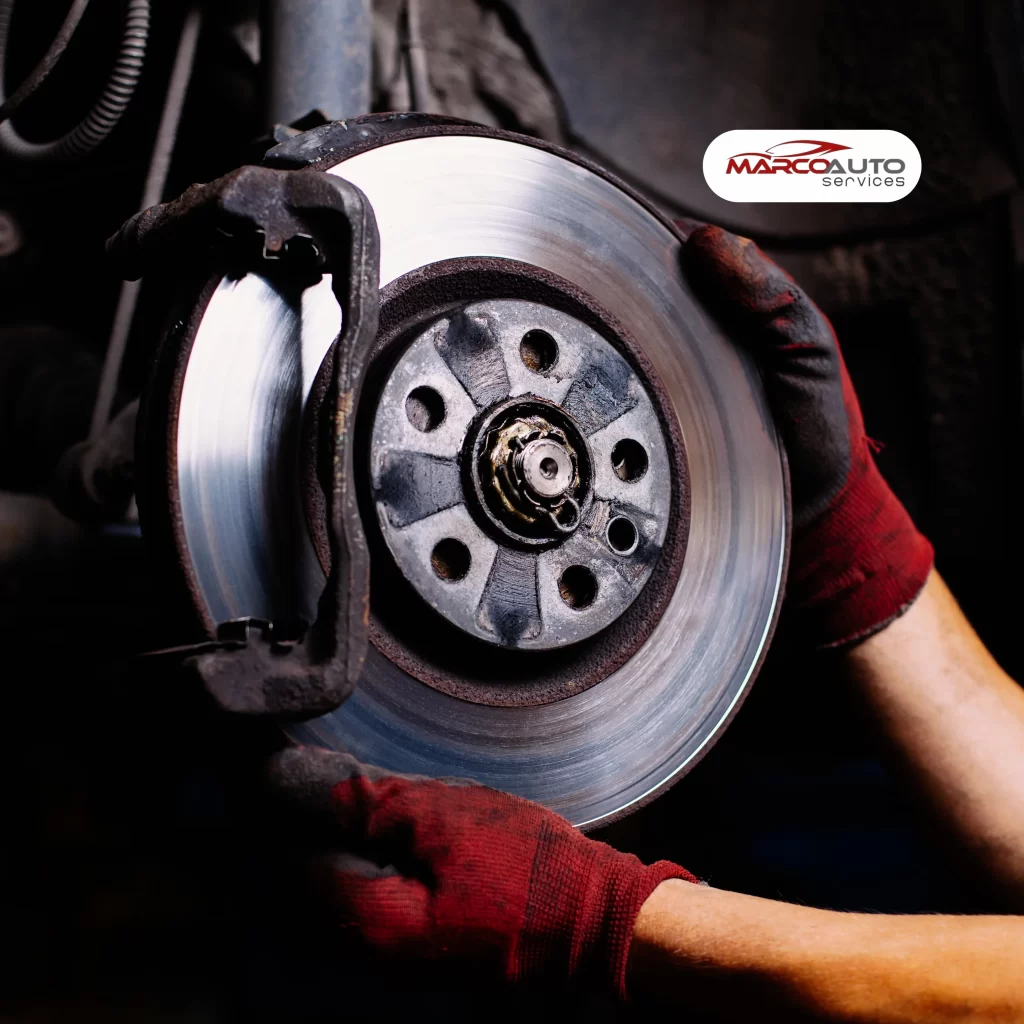
One of the first questions any vehicle owner asks after noticing a fault is simple: how much will this fix set me back? Whether it’s a strange engine noise, brake failure, transmission issues, or accident damage, uncertainty can be stressful. The truth is that the cost of repairs depends on several technical and economic variables, including the type of vehicle, the severity of damage, labor rates, and the availability of parts. Understanding these factors helps you make informed decisions instead of reacting emotionally to a repair estimate.
In today’s automotive landscape, where vehicles are increasingly computerized, repair pricing is no longer as straightforward as replacing a mechanical component. Modern diagnostics, electronic control modules, and specialized tools all influence final pricing. Let’s break this down systematically.
Factors That Influence Pricing
When evaluating the cost of repairs, professionals assess multiple variables before providing a quotation. These factors often determine whether you’re looking at a minor expense or a major financial commitment.
Key determinants include:
- Type of damage: Mechanical, electrical, structural, or cosmetic
- Vehicle make and model: Luxury and imported vehicles typically attract higher parts and labor costs
- Parts availability: Genuine OEM parts are more expensive than aftermarket alternatives
- Labor complexity: Engine rebuilds require more hours than brake pad replacements
- Diagnostic requirements: Advanced scanning tools may be needed for modern vehicles
For example, replacing brake pads may be relatively affordable, while repairing a transmission system could be significantly higher due to labor-intensive processes and specialized expertise. Each case must be evaluated individually rather than generalized.
Common Repairs and Average Ranges
To give perspective, it helps to look at general repair categories. While exact pricing varies by region and workshop, these examples provide a reference framework for understanding the cost of repairs in typical situations.
- Brake pad replacement: Moderate pricing due to manageable labor hours
- Battery replacement: Usually affordable unless programming is required
- Engine diagnostics: Depends on scanning time and troubleshooting depth
- Suspension repairs: Costs increase if multiple components are worn
- Accident bodywork: Highly variable based on panel damage and paint matching
Keep in mind that modern vehicles equipped with sensors and driver-assist systems may require recalibration after repairs. This additional process can raise pricing beyond what older vehicles would require for similar physical damage.
The Role of Technology in Modern Repairs
Today’s vehicles are essentially computers on wheels. From electronic throttle control to advanced driver assistance systems (ADAS), digital integration has transformed automotive engineering. Naturally, this affects the cost of repairs because technicians must use diagnostic scanners, software updates, and recalibration systems.
Here’s an important question: Can artificial intelligence help reduce vehicle repair uncertainty in the future? Increasingly, AI-powered diagnostic systems are being used to predict component failure before breakdown occurs. Predictive maintenance may lower long-term expenses by addressing minor issues early. However, implementing such technology also requires specialized tools and training, which can influence workshop pricing structures.
The balance between innovation and affordability is ongoing. While AI improves accuracy and efficiency, it does not eliminate the need for skilled technicians who interpret diagnostic data and carry out precision work.
Labor vs. Parts: Where the Money Goes
When reviewing a repair estimate, it’s important to distinguish between labor charges and parts pricing. In many cases, the cost of repairs is split almost evenly between these two components, although complex mechanical jobs may lean heavily toward labor expenses.
Labor Costs Cover:
- Technician expertise and certifications
- Workshop overhead and equipment
- Diagnostic time
- Safety compliance procedures
Parts Costs Cover:
- Replacement components
- OEM versus aftermarket selection
- Importation or shipping fees
- Warranty coverage
Choosing cheaper parts may reduce immediate expenses but could lead to shorter component lifespan. Reputable workshops typically advise on the best balance between durability and affordability.
Preventive Maintenance as a Cost-Control Strategy
One of the most effective ways to manage the cost of repairs is preventive maintenance. Routine servicing identifies wear-and-tear issues before they escalate into major mechanical failures.
Examples include:
- Regular oil and filter changes
- Brake inspections
- Tire rotation and alignment
- Cooling system checks
- Battery testing
Neglecting these routine tasks often leads to compounded problems. For instance, ignoring a minor oil leak could eventually result in engine damage, dramatically increasing repair expenses. Preventive care is not an extra expense; it is a strategic investment.
Transparency and Professional Assessment
No two vehicles present identical conditions. A professional inspection is essential to accurately determine the cost of repairs rather than relying on assumptions or online estimates.
A reliable workshop will typically:
- Conduct a diagnostic scan
- Perform a physical inspection
- Provide a breakdown of parts and labor
- Explain optional versus urgent repairs
- Offer warranty details
Transparency builds trust. Clear communication ensures you understand what is essential for safety and what can be scheduled later. Avoid workshops that provide vague pricing without inspection.
Why Experience Matters
Automotive repair is both technical and experiential. Workshops with seasoned technicians can often diagnose faults more efficiently, which directly impacts the cost of repairs by reducing unnecessary part replacements or trial-and-error approaches.
Experienced professionals understand:
- Manufacturer-specific repair procedures
- Common failure patterns in certain models
- Accurate troubleshooting sequences
- Proper calibration techniques
Inexperienced handling can lead to repeat repairs, compounding expenses over time. Selecting the right service provider is just as important as the repair itself.
Conclusion
Ultimately, the cost of repairs is determined by a combination of vehicle type, damage severity, labor expertise, technology requirements, and parts quality. While pricing varies from one situation to another, informed decision-making and preventive maintenance significantly reduce long-term financial strain.
If your vehicle requires inspection or you need a transparent and professional assessment, reach out to Marco Autos. Their experienced technicians provide clear diagnostics, honest pricing, and dependable workmanship. Instead of guessing what your repair might cost, consult specialists who prioritize both safety and value. Your vehicle deserves expert care, and so does your budget.