Why Is My Check Engine Light On?
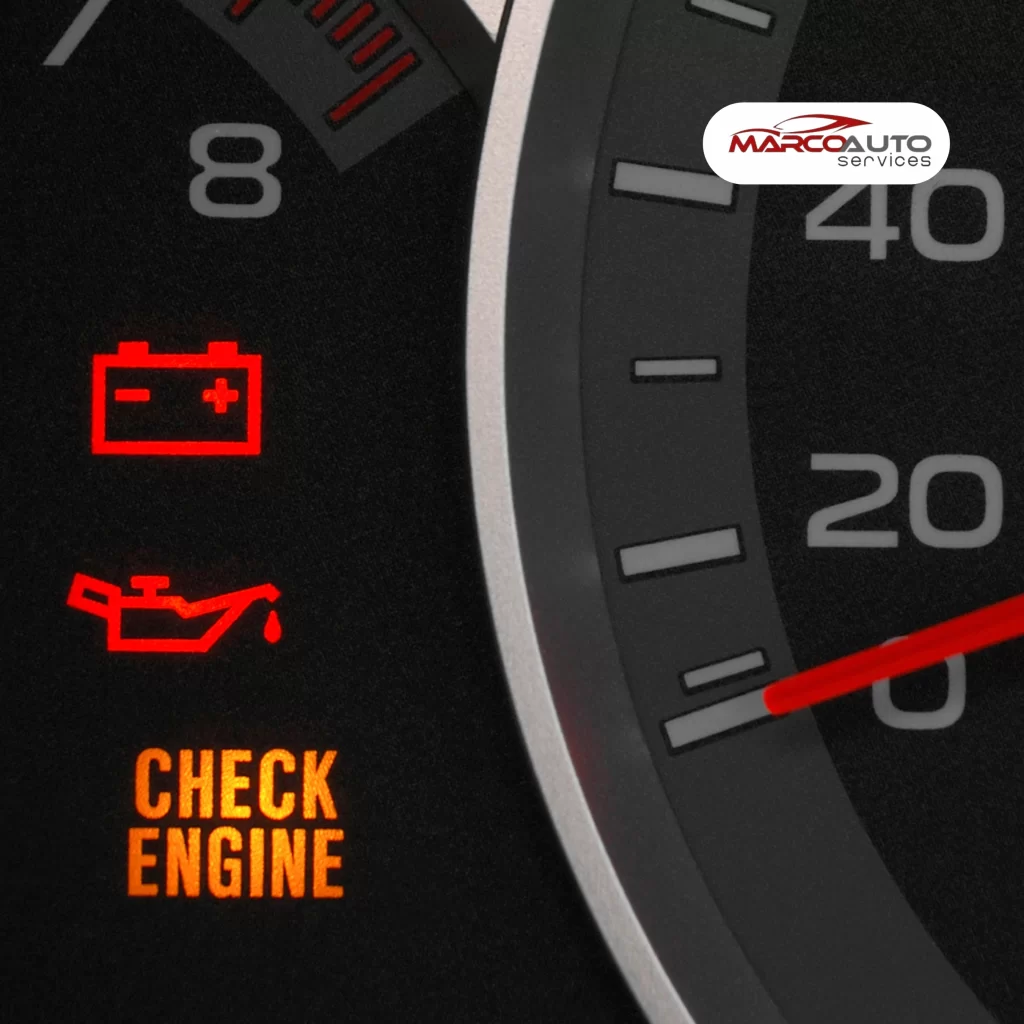
Few dashboard warnings create as much anxiety as the check engine light. One moment you’re driving normally, and the next, a small illuminated symbol raises serious questions about your vehicle’s condition. Is it something minor? Is your engine about to fail? Should you stop immediately? These are common concerns, and they’re valid. Modern vehicles are equipped with complex onboard diagnostic systems designed to detect issues early, often before noticeable symptoms appear.
Understanding why the check engine light comes on is essential for protecting your vehicle’s performance, safety, and longevity. In this article, we’ll break down the most common causes, explain what the warning actually means, and guide you on the right steps to take when it appears.
What Does the Warning Actually Mean?
The check engine light is part of your vehicle’s On-Board Diagnostics system, commonly referred to as OBD-II. This system continuously monitors various engine components, sensors, and emission controls. When it detects a problem outside normal operating parameters, it stores a diagnostic trouble code (DTC) and activates the warning indicator.
Importantly, this alert doesn’t automatically mean catastrophic engine failure. It simply indicates that the system has identified an irregularity that needs attention. Sometimes the issue is minor, while other times it could signal a serious malfunction requiring immediate service.
Loose or Faulty Gas Cap
One of the most common and surprisingly simple causes of the check engine light is a loose or damaged gas cap. Your fuel cap plays a crucial role in maintaining pressure within the fuel system and preventing fuel vapors from escaping.
If the cap isn’t tightened properly, the system detects a leak in the evaporative emissions system (EVAP). This triggers the warning. Fortunately, this is often an easy fix: tighten the cap until it clicks securely. If the light remains on after a few driving cycles, the cap itself may need replacement.
Oxygen Sensor Malfunction
Your vehicle relies on oxygen sensors to measure the amount of unburned oxygen in the exhaust system. These sensors help regulate the air-fuel mixture for optimal combustion and fuel efficiency.
When an oxygen sensor fails, it can lead to increased fuel consumption, rough idling, or higher emissions. If ignored, it may damage the catalytic converter, one of the more expensive components to replace. This is a frequent reason why the check engine light illuminates and should not be neglected.
Catalytic Converter Issues
The catalytic converter reduces harmful emissions by converting carbon monoxide and other toxic gases into less harmful substances. When it becomes clogged or fails, engine performance can decline significantly.
Symptoms may include reduced acceleration, poor fuel efficiency, or unusual exhaust odors. If the check engine light is flashing rather than steady, this may indicate a more urgent issue such as a severe misfire that could damage the converter. Immediate professional inspection is recommended in such cases.
Spark Plugs and Ignition Coils
Spark plugs ignite the air-fuel mixture inside the engine’s cylinders, while ignition coils supply the necessary voltage. Worn or faulty components can lead to misfires, rough performance, and difficulty starting the vehicle.
Engine misfires are not only inefficient but can also cause long-term damage if left unresolved. A persistent check engine light combined with engine shaking or reduced power is often linked to ignition system problems. Routine maintenance significantly reduces this risk.
Mass Airflow Sensor Problems
The mass airflow (MAF) sensor measures the amount of air entering the engine and ensures the correct fuel injection ratio. If it becomes dirty or defective, your vehicle may experience hesitation, stalling, or decreased fuel efficiency.
A malfunctioning MAF sensor can disrupt overall engine balance. When this component fails, the check engine light may appear even before noticeable driving symptoms become severe. Cleaning or replacing the sensor often restores performance quickly.
Emissions Control System Faults
Modern vehicles are designed to meet strict environmental regulations. The evaporative emissions system, EGR valve, and other related components work together to reduce pollutants.
When any part of this system malfunctions, it can trigger the check engine light. Although the vehicle may still drive normally, emissions-related problems should be addressed promptly to avoid failing inspections or causing additional strain on engine components.
Electrical or Sensor-Related Issues
Vehicles today contain dozens of sensors monitoring temperature, pressure, timing, and performance metrics. A faulty sensor or wiring issue can sometimes activate the check engine light even if the engine itself is functioning properly.
Diagnostic scanning tools are required to identify the specific trouble code stored in the system. This is where modern automotive technology becomes particularly interesting. AI-driven diagnostic tools are increasingly being used in workshops to interpret patterns in vehicle data, could artificial intelligence soon predict failures before drivers ever see a warning indicator?
Steady Light vs. Flashing Light
It’s important to distinguish between a steady illumination and a flashing warning. A steady check engine light typically indicates a non-urgent issue that should be inspected soon.
A flashing indicator, however, signals a severe problem, often an active engine misfire, that can cause immediate damage. In this case, you should reduce speed and seek professional assistance as quickly as possible. Ignoring a flashing warning can result in costly repairs.
What Should You Do Next?
When the check engine light appears, avoid panic but don’t ignore it. Start by checking simple possibilities such as the gas cap. If the light persists, have the vehicle scanned using a professional diagnostic tool.
While some drivers purchase personal OBD-II scanners, interpreting codes accurately requires technical expertise. A code only indicates where the problem was detected, not necessarily the exact component that must be replaced. Proper diagnosis prevents unnecessary part replacements and saves money.
Preventive Maintenance Matters
Many causes of the check engine light can be prevented through routine servicing. Regular oil changes, timely spark plug replacement, air filter cleaning, and fuel system maintenance all reduce the likelihood of unexpected alerts.
Preventive care not only enhances reliability but also extends engine life and improves fuel efficiency. Addressing minor issues early often prevents major mechanical failures later.
Conclusion
Seeing the check engine light can be unsettling, but it’s ultimately a protective feature designed to safeguard your vehicle. From loose gas caps and sensor malfunctions to more serious catalytic converter or ignition system failures, the underlying causes vary widely. The key is prompt, accurate diagnosis and professional repair.
If you’re experiencing persistent warnings or unusual driving symptoms, don’t delay. Reach out to Marco Autos for expert diagnostics, reliable repairs, and trusted automotive care. Their experienced technicians can quickly identify the issue and ensure your vehicle returns to optimal performance with confidence.