What Causes Exhaust Pots to Rust So Quickly?
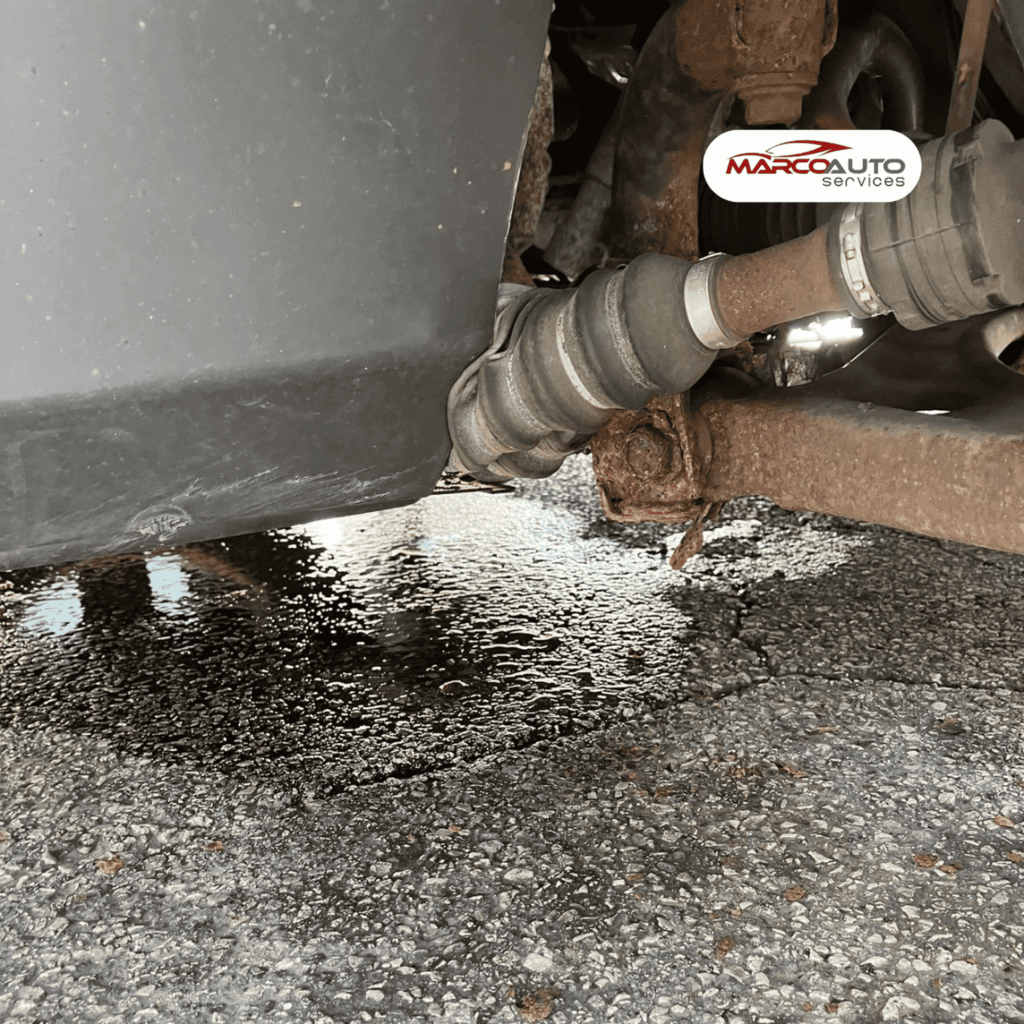
Vehicle owners are often surprised by how fast exhaust components deteriorate compared to other metal parts of a car. One of the most common complaints mechanics hear is about exhaust pots rust, especially in regions with harsh weather, poor road conditions, or heavy urban driving. Despite being made from metal, exhaust pots seem to corrode faster than expected, sometimes failing long before the rest of the exhaust system. Understanding why this happens requires looking at how exhaust systems work, the materials used, and the environment they operate in. This article explains the main reasons exhaust pots rust so quickly, using clear, practical insights for everyday drivers.
Constant Exposure to Heat and Moisture
One major reason exhaust pots rust rapidly is the extreme cycle of heating and cooling they experience. Each time a vehicle is driven, the exhaust system heats up significantly as hot gases pass through it. When the engine is turned off, the exhaust pot cools down quickly. This repeated expansion and contraction weakens protective coatings over time.
Moisture plays an equally important role. During combustion, water vapor is produced as a by-product. As the exhaust cools, this moisture condenses inside the exhaust pot. When water sits inside a metal component repeatedly, corrosion becomes almost unavoidable, especially if the vehicle is used for short trips where the exhaust never fully dries out.
Internal Condensation and Acid Formation
Another overlooked factor behind exhaust pots rust is what happens inside the exhaust system. Fuel combustion produces not only water vapor but also acidic compounds, including carbonic acid and, in some cases, sulfuric acid. These acids form when exhaust gases mix with condensed water inside the exhaust pot.
Over time, this acidic moisture attacks the internal surfaces of the exhaust pot, corroding it from the inside out. This is why an exhaust pot may look fine externally but suddenly develop holes or leaks. Internal rust is often more aggressive and harder to detect until significant damage has already occurred.
Road Salt and Environmental Contaminants
Environmental conditions significantly influence how fast exhaust pots rust. In many regions, road salt is used to melt ice or improve traction during rainy seasons. Salt is highly corrosive to metal, and exhaust pots are directly exposed to road spray.
In addition to salt, dirt, mud, oil residues, and industrial pollutants cling to the underside of vehicles. These contaminants trap moisture against the exhaust pot’s surface, accelerating oxidation. Even in non-snowy regions, coastal air with high salt content can dramatically shorten the lifespan of exhaust components.
Material Quality and Manufacturing Choices
The type of material used is another reason exhaust pots rust faster than expected. Many standard exhaust pots are made from mild steel because it is affordable and easy to manufacture. However, mild steel has limited corrosion resistance compared to stainless steel or aluminized steel.
To reduce costs, some manufacturers apply thin protective coatings that wear off over time due to heat and road abrasion. Once this protective layer is compromised, rust forms quickly. Higher-end vehicles or aftermarket systems often last longer because they use corrosion-resistant alloys designed to withstand harsh exhaust conditions.
Driving Habits and Usage Patterns
How a vehicle is driven has a direct impact on how quickly exhaust pots rust. Frequent short trips are especially damaging. When a car is driven only for short distances, the exhaust system does not reach a temperature high enough to evaporate internal moisture completely.
As a result, water remains trapped inside the exhaust pot, encouraging corrosion. Vehicles that are parked for long periods also suffer because stagnant moisture has more time to react with metal surfaces. In contrast, vehicles driven regularly on longer routes often experience slower rust development because the exhaust dries out more thoroughly.
Poor Drainage and Design Limitations
Design flaws can also explain why exhaust pots rust prematurely. Some exhaust systems lack adequate drainage points to allow condensed water to escape. When water pools inside the exhaust pot, corrosion accelerates significantly.
Low-hanging exhaust designs are more exposed to puddles, speed bumps, and road debris, which can damage protective coatings. Over time, even small dents or scratches become entry points for rust. Modern automotive design is improving, but many older or budget vehicles still suffer from these limitations.
Maintenance Neglect and Delayed Repairs
Lack of routine inspection contributes to how fast exhaust pots rust. Small surface rust, if ignored, can spread rapidly under heat and moisture exposure. Many drivers focus on visible engine or body issues while overlooking undercarriage components.
Delayed repairs, such as ignoring loose hangers or exhaust vibrations, can worsen the problem. Excessive movement causes micro-cracks in coatings and welds, making it easier for rust to form. Regular maintenance checks can identify early warning signs before full exhaust pot failure occurs.
The Role of Technology and AI in Prevention
Modern technology is beginning to change how we understand why exhaust pots rust and how to prevent it. AI-driven diagnostics can now analyze driving patterns, environmental exposure, and vehicle sensor data to predict component wear. An important question for the automotive industry is: how can AI-powered maintenance systems help vehicle owners detect exhaust corrosion before it becomes a costly repair?
Predictive maintenance tools powered by artificial intelligence may soon alert drivers when exhaust components are at risk, allowing for timely intervention and better material choices during replacements.
Conclusion
Exhaust pots rust quickly due to a combination of internal condensation, acidic by-products, harsh environmental exposure, material limitations, driving habits, and maintenance neglect. The exhaust system operates under conditions that naturally promote corrosion, making rust almost inevitable without proper care and quality materials. Understanding these causes empowers vehicle owners to make informed decisions, from adjusting driving habits to choosing better replacement parts. For professional inspection, durable replacements, and expert advice on exhaust systems, clients should reach out to Marco Autos, where experienced technicians can help extend the lifespan of your vehicle’s exhaust components.