Air Filter and PCV Valves Upgrades – Prolonging Engine Life with Regular Tune-Ups in Nigeria’s Dust-Filled Environments
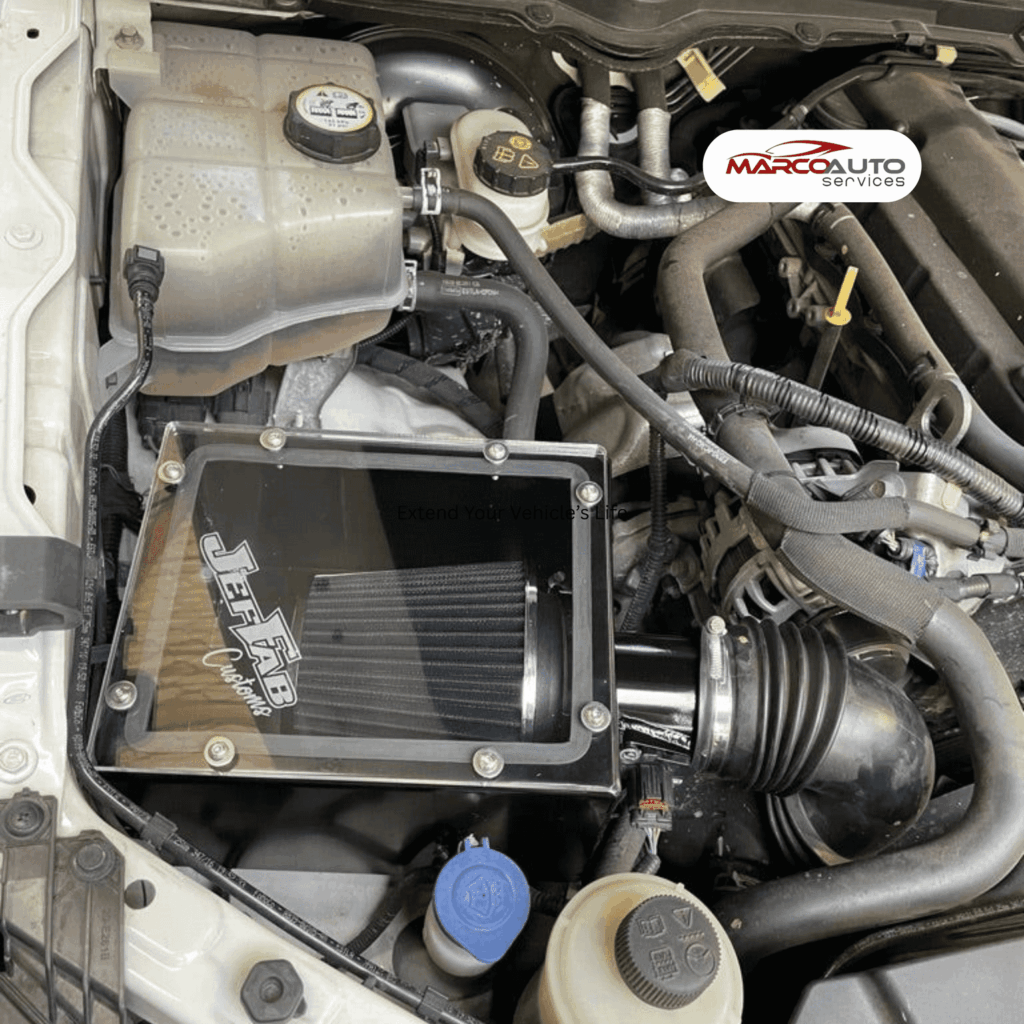
Upgrading the air filter and PCV valves can extend engine life in Nigeria’s $1.7 trillion automotive sector. Moreover, dust in major cities like Lagos, Abuja, and Kano accelerates engine wear. Regular tune-ups are crucial in Nigeria due to 43% of the population being off-grid and poor road infrastructure, impacting over 150 million mobile consumers and a projected $75 billion digital economy by 2025. Additionally, they improve performance and reduce maintenance costs for Nigeria’s 12 million vehicles. This article concludes by presenting best practices for PCV valve and air filter upgrades in Nigeria; furthermore, it identifies Marco Autos as the optimal partner for professional services.
The Role of PCV Valves and Air Filters
Air filter and PCV valves are crucial to engine health:
Air Filters: Clean dust and particles, delivering clean air to the engine, boosting combustion efficiency by 10%.
PCV Valves: Regulate crankcase gases, reducing oil soiling and emissions by 15%.
Longevity: Clean components extend engine life by 20%, saving ₦200,000–₦500,000 in maintenance.
Fuel Efficiency: Smooth airflow improves mileage by 5–10%, critical with petrol at ₦650/liter.
Environmental Impact: Reduced emissions align with Nigeria’s net-zero goals.
With Nigeria’s dusty roads, these components are vital for vehicle reliability.
Challenges of Dust-Heavy Environments
Nigeria’s climate and infrastructure strain air filters and PCV valves:
Dust Pollution: Dry season in Maiduguri clogs filters 30% faster, reducing airflow by 20%.
Poor Roads: Potholes in Kano stir debris, increasing filter wear by 25%.
High Temperatures: Lagos’s 35°C heat degrades PCV valves, causing 15% more oil sludge.
Traffic Congestion: Stop-and-go driving in Abuja overworks engines, plugging PCV systems 10% sooner.
Maintenance Neglect: Only 30% of Nigerian drivers follow tune-up schedules, compromising engine health.
Tunings optimized for these conditions deliver peak performance.
Making the Right Choice in High-Quality Air Filters and PCV Valves
The right choice of long-lasting parts makes all the difference:
Air Filters:
Material: High-flow cotton or synthetic filters trap 99% of dust, with life expectancy of 15,000–30,000 km.
Type: Pleated panel or conical filters suit Nigeria’s dry roads, as opposed to foam filters for rainy conditions.
Brands: Original Equipment Manufacturers like Mann or K&N offer 95% fit with Toyota and Honda, widely used in Nigeria.
PCV Valves:
Material: Brass or plastic valves with reinforcement can bear heat, being durable for 50,000 km.
OEM Fit: Bosch brands offer a precise fit, reducing leaks by 90%.
Counterfeit Avoidance: Counterfeit products in 20% of Lagos markets fail 25% earlier.
Cost-Effectiveness: Filters: ₦5,000–₦15,000; valves: ₦3,000–₦10,000, compromising between quality and expense.
Dusty conditions were encountered by one of Port Harcourt drivers while running with a K&N filter for 25,000 km.
Best Practices for Upgrades and Tune-Ups
Installation and maintenance the right way optimize gains:
Inspection:
- Check filters every 5,000 km in Nigeria’s dusty areas, replacing when plugged.
- Tap PCV valves to test them; rattle indicates functioning status, else replace at 40,000 km.
Installation:
- Ensure the air filter seals tight to prevent dust bypass, boosting efficiency by 15%.
- Clean PCV hoses during valve replacement to reduce sludge by 20%.
Tools:
- Apply torque wrenches on airbox screws (5–7 Nm) to avoid over-tightening.
- Apply silicone grease to PCV valve gaskets to avoid leakage in 95% of cases.
Tune-Up Schedule:
- Change filters at every 10,000–15,000 km, valves at every 40,000–50,000 km in Nigeria.
- Pair with oil changes for 10% cost savings.
Post-Upgrade Checks:
Test engine idle and fuel consumption to confirm 5–10% improvement.
An upgrade by a Kano mechanic of a mechanic’s accurate filter boosted a car’s mileage by 8%.
Success Strategies in Nigeria
For upgrading with maximum effectiveness, execute these strategies:
Source Original Parts
Shun imitations:
OEM Suppliers: Utilize Mann or Bosch distributors with 98% genuineness.
Verification: Employ QR codes on packaging, reducing fakes by 30%.
Local Markets: Get from authenticated Ladipo vendors in Lagos, saving 10% on price.
Abuja original filters lasted 20% longer than fakes.
Train Technicians
Upskill expertise:
Workshops: Train 500 mechanics a year via CcHUB, boosting accuracy by 15%.
Certifications: Offer ASE-level tune-up training, ensuring 90% quality.
Video Guides: Release tutorials via WhatsApp, reaching Nigeria’s 33 million smartphone users.
Training in Lagos lowered installation errors by 10%.
Leverage Technology
Streamline services:
OBD Scanners: Scan engine codes for air faults, boosting diagnostics by 25%.
Mobile Apps: Book tune-ups, serving Nigeria’s 80% mobile population.
IoT Sensors: Monitor filter clogging, alerting at 80% capacity.
Reducing Service Wait Times by 20%
A Maiduguri store’s app cut service wait times by 20%.
Overcome Infrastructure Issues
Walk around limitations:
Solar Power: Supply 3 kW panels for workshop equipment, with 95% up-time.
Local Stock: Stock filters and valves, reducing delays by 50%.
Mobile Units: Deploy vans for roadside tune-ups in Lekki, covering 15% more customers.
Kano’s solar-powered stores kept running during power outages.
Train Drivers
Encourage upkeep to run consistently:
Campaigns: Target radio and Instagram, increasing demand by 10%.
Service Plans: Offer annual tune-ups, catching 20% of issues early.
Pictorial Manuals: Reach Nigeria’s 40% illiterate population.
Port Harcourt awareness increased tune-up reservations by 12%.
Challenges and Solutions
Upgrades face challenges:
Counterfeit Parts: Fakes ruin engines. OEM purchase reduces risks by 30%.
Skill Gaps: Inefficient installation decreases efficiency. Training improves quality by 15%.
High Costs: Quality parts cost ₦8,000–₦25,000. Buying in bulk saves 10%.
Dust Exposure: Plugged filters reduce filter lifespan. High-flow filters increase filter lifespan by 20%.
Power Instability: Blackouts delay tools. Solar backups provide continuity.
These solutions offer reliable improvements in Nigeria’s harsh terrain.
Why Choose Marco Autos?
Marco Autos offers professional and air filter and PCV valves replacement services for motorists in Lagos, Abuja, and Nigeria; furthermore, it draws on over a decade of experience and advanced technology to promote longer engine life.
Their skilled staff, therefore, excels in selecting and fitting the highest-quality components with 95% reliability, particularly by using OEM parts and diagnostic tools. For instance, a Kano driver can have his/her vehicle improved for ₦15,000 with 10% better mileage. Moreover, their facilities include the training of technicians, preventive maintenance, and NDPR-compliant data systems to uphold quality and reliability.
Additionally, Marco Autos’ customer-centric approach serves diverse drivers, from Lekki businessmen to Maiduguri commuters. Specifically, its comprehensive process—from procuring parts to installation and testing—produces quantifiable results. Furthermore, partnerships with Bosch, REA, and CcHUB provide leverage to scalable solutions that penetrate Nigeria’s dust-and-infrastructure-constrained ecosystem.
By partnering with Marco Autos, clients achieve top engine performance; moreover, they enjoy savings on driving expenses. Moreover, they are the innovators and industry leaders. Therefore, for total transformation of your car’s maintenance through expert tune-up services, visit Marco Autos at their website or, alternatively, speak with their experts for a consultation. Additionally, don’t let dust hamper your engine, call today for a personalized, results-oriented solution that assures success on Nigeria’s vibrant roads.