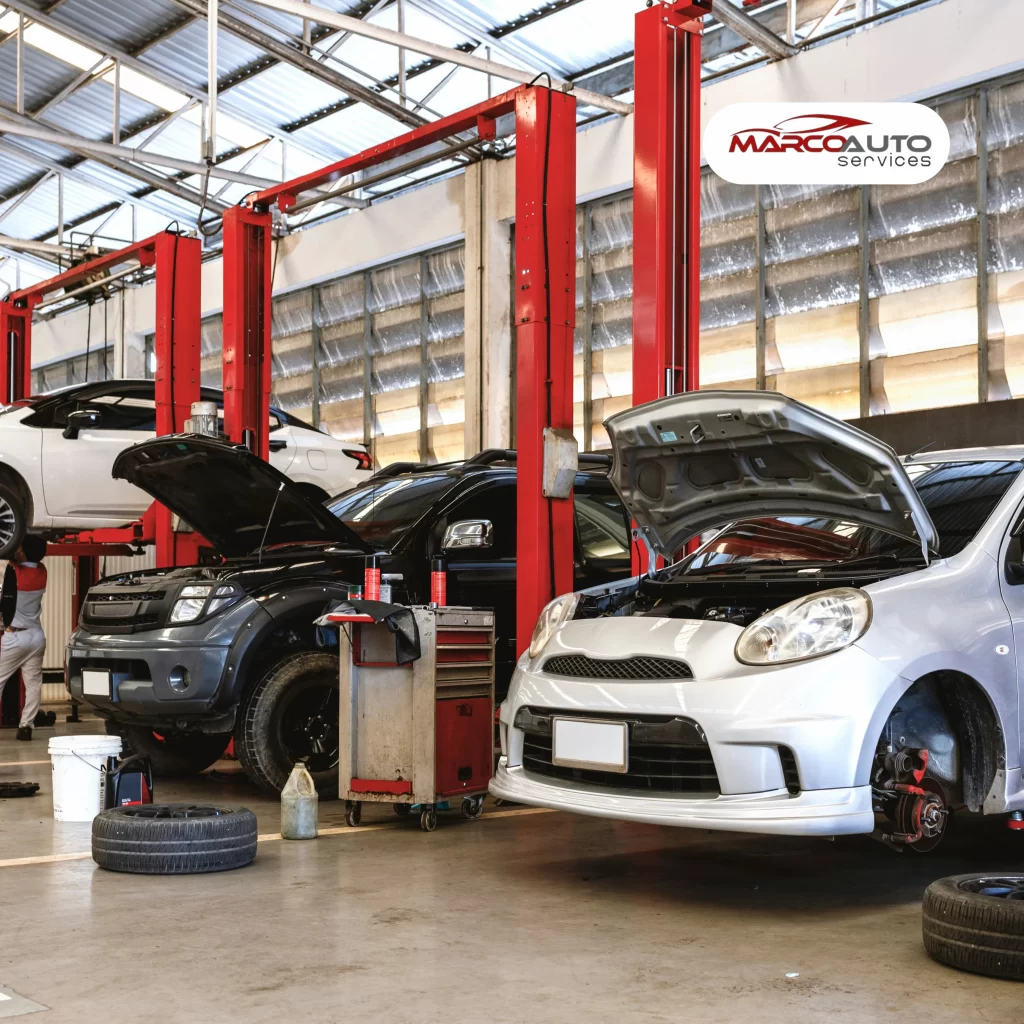
One of the first questions every vehicle owner asks after a breakdown or accident is simple: How long will the repair take? It’s a fair concern. Your vehicle is central to your mobility, business operations, and daily routine. Whether it’s a minor mechanical issue or a major collision repair, understanding timelines helps you plan effectively. However, repair duration isn’t just about speed, it’s about doing the job properly to ensure the longevity of vehicle repair. Quick fixes may save time upfront, but quality workmanship ultimately protects your investment and prevents recurring problems.
The Nature of the Damage
The type and severity of damage significantly influence repair time. Minor repairs such as brake pad replacement, oil leaks, or battery changes may be completed within a few hours. In contrast, engine overhauls, transmission rebuilds, or structural bodywork after an accident can take several days or even weeks.
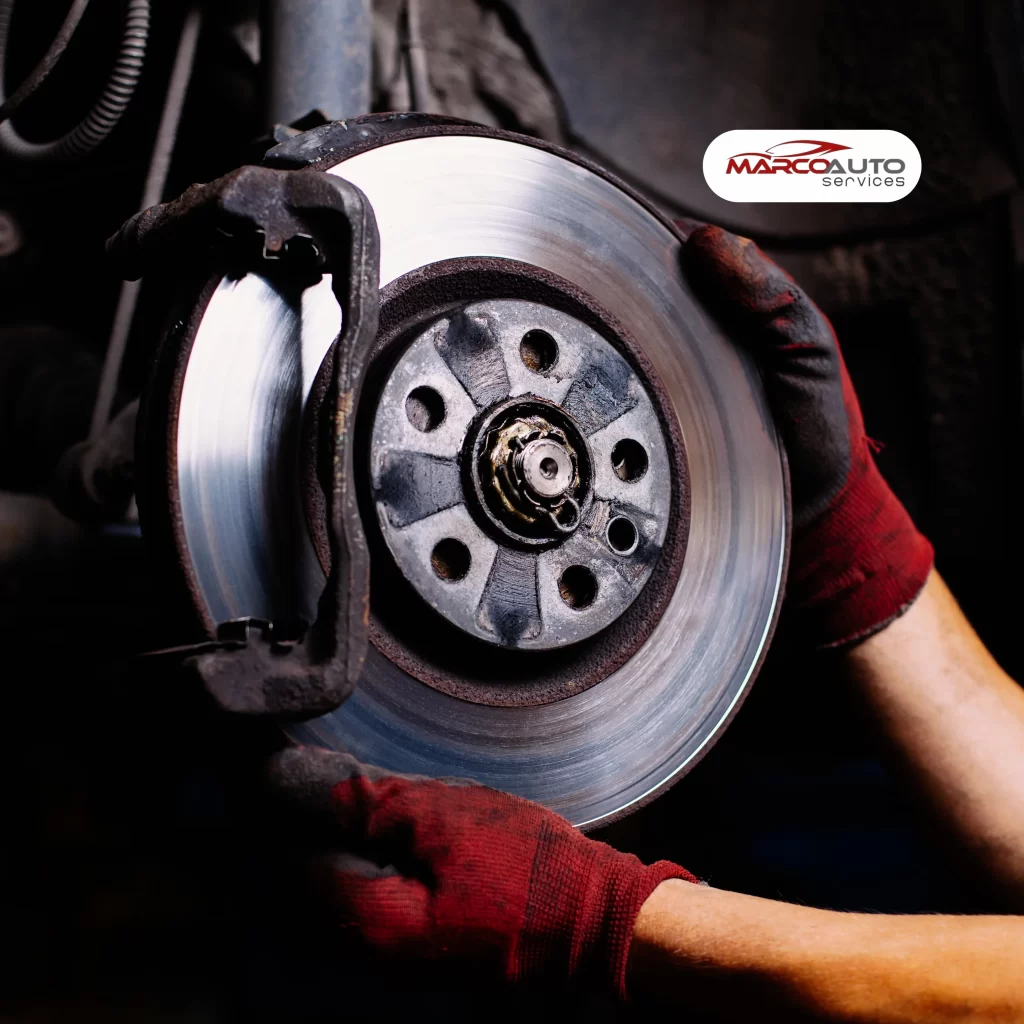
For example, replacing worn brake pads is straightforward because it involves limited disassembly. However, repairing a cracked engine block requires precision diagnostics, specialized tools, and possibly machine shop involvement. Technicians must inspect related systems to prevent secondary failures. These additional checks support the longevity of vehicle repair, ensuring that the fix addresses root causes rather than just symptoms.
Parts Availability and Supply Chain
Another major factor affecting repair timelines is parts availability. If required components are readily available locally, repairs can proceed without delay. However, if parts must be ordered from manufacturers or shipped internationally, waiting periods may extend the process.
Modern vehicles often rely on specialized components and electronic modules. In some cases, even a small sensor can hold up the entire repair if it’s not immediately accessible. Quality workshops prioritize sourcing genuine or manufacturer-approved parts because they directly impact the longevity of vehicle repair. While aftermarket alternatives may seem faster to obtain, they can compromise durability and performance over time.
Diagnostic Complexity
Today’s vehicles are equipped with advanced onboard computers and integrated systems. Diagnosing faults is no longer limited to mechanical inspection—it often requires sophisticated scanning equipment and software updates.
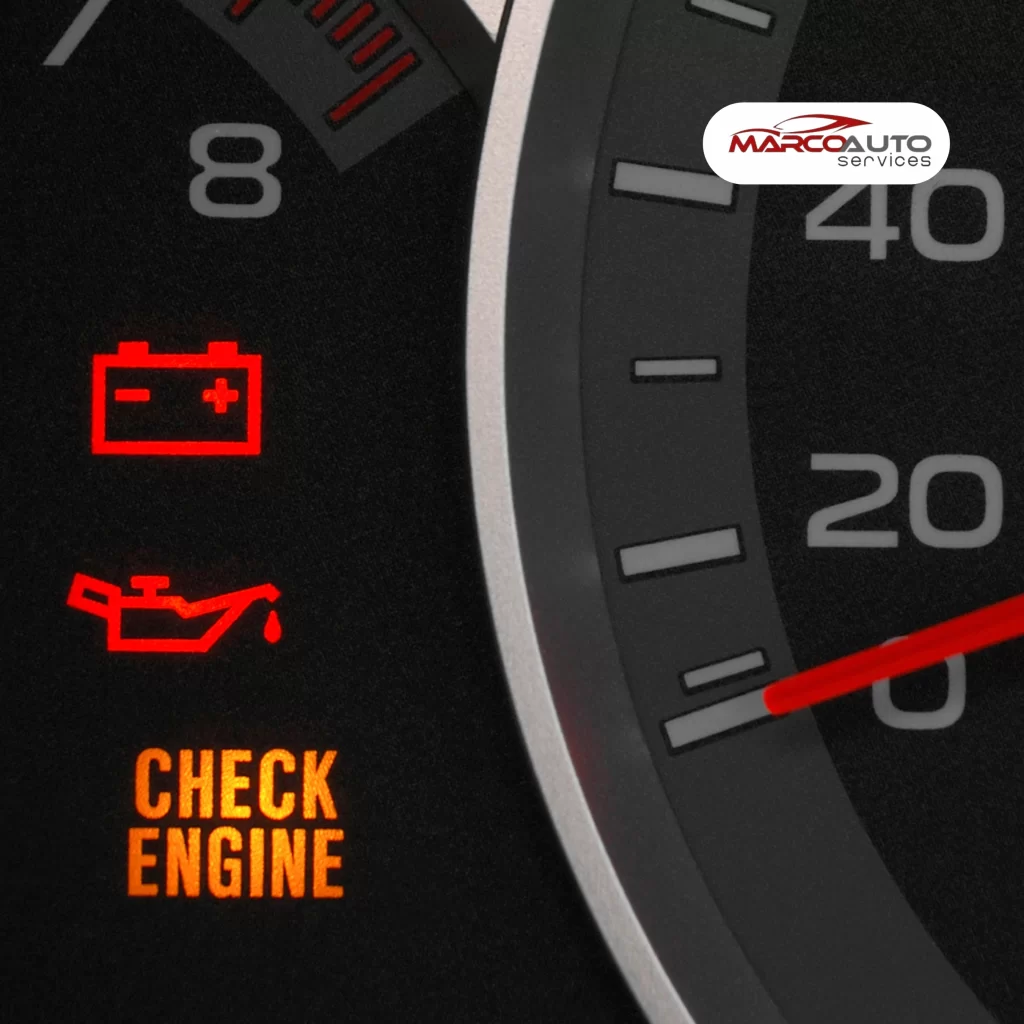
A simple dashboard warning light might indicate multiple potential issues. Technicians must perform systematic troubleshooting to isolate the exact fault. This process can take several hours, particularly when electrical systems are involved. Although detailed diagnostics may lengthen repair time, they are essential for ensuring the longevity of vehicle repair by preventing incomplete or incorrect fixes.
With the rise of artificial intelligence in automotive diagnostics, workshops increasingly use AI-assisted tools to detect patterns and predict failures. Could AI eventually estimate repair timelines with near-perfect accuracy based on historical service data? The integration of intelligent systems suggests that repair forecasting will become more precise in the future.
Workshop Capacity and Workflow
The workload of the repair facility also plays a role in determining how long your vehicle will stay in the shop. High-demand periods, such as post-holiday travel seasons or rainy months when accidents increase, can extend waiting times.
A well-organized workshop uses structured workflow systems to prioritize urgent cases while maintaining quality standards. Skilled technicians follow manufacturer guidelines and documented repair procedures. Rushing a job to meet deadlines may lead to overlooked details, which ultimately affects the longevity of vehicle repair. Choosing a reputable workshop ensures your vehicle is handled methodically rather than hastily.
Insurance and Approval Processes
If the repair is related to accident damage and involves insurance claims, administrative procedures can add time. Insurance companies typically require inspections, documentation, and cost approvals before work begins.
This evaluation phase may take several days, depending on the complexity of the claim and communication between parties. While the process may feel slow, it ensures financial transparency and accountability. More importantly, approved repairs are usually aligned with professional standards, reinforcing the longevity of vehicle repair by avoiding shortcuts or unauthorized modifications.
Type of Vehicle and Technology Level
Repair timelines also depend on the vehicle’s make, model, and technological sophistication. Luxury and hybrid vehicles, for example, often require specialized tools and certified technicians.
Electric vehicles introduce additional safety protocols due to high-voltage systems. Repairs involving battery packs or power electronics demand strict compliance with safety standards. These added precautions naturally increase repair time but are crucial for protecting both the technician and the vehicle. Thorough adherence to technical procedures strengthens the longevity of vehicle repair, especially in advanced automotive systems.
Preventive Maintenance vs. Reactive Repairs
Preventive maintenance typically requires less time compared to reactive repairs caused by neglect. Regular servicing, such as oil changes, fluid checks, and belt inspections, can often be completed within the same day.
When maintenance schedules are ignored, small issues escalate into larger mechanical failures. A neglected coolant leak, for example, may eventually cause engine overheating and severe internal damage. Addressing issues early minimizes downtime and enhances the longevity of vehicle repair, as components are preserved rather than replaced after catastrophic failure.
Quality Control and Final Testing
A critical yet often overlooked part of the repair timeline is final testing and quality assurance. After repairs are completed, technicians perform inspections, calibrations, and road tests to verify that the issue has been fully resolved.
Skipping this stage may save time but risks recurring problems. Comprehensive testing ensures that systems operate harmoniously and safely. This commitment to post-repair validation directly supports the longevity of vehicle repair, providing confidence that your vehicle is ready for reliable performance on the road.
Typical Time Estimates
While every case differs, here are general repair timeframes:
- Minor mechanical repairs: 1–4 hours
- Routine servicing: Same day
- Suspension or brake system overhaul: 1–2 days
- Engine or transmission rebuild: 3–7 days
- Major collision repair: 1–3 weeks
These estimates assume parts availability and no unforeseen complications. A professional inspection remains the most accurate way to determine your specific repair duration.
Conclusion
So, how long will the repair take? The honest answer is: it depends on the nature of the issue, parts availability, diagnostic complexity, and workshop processes. While speed is important, quality should never be compromised. Proper diagnostics, genuine parts, skilled workmanship, and thorough testing are essential for ensuring the longevity of vehicle repair and safeguarding your vehicle’s performance and value.
If you want accurate timelines, transparent communication, and dependable service, clients should reach out to Marco Autos. Their experienced technicians prioritize precision, efficiency, and lasting results, so your vehicle is not just repaired, but restored with confidence.
Recent Comments