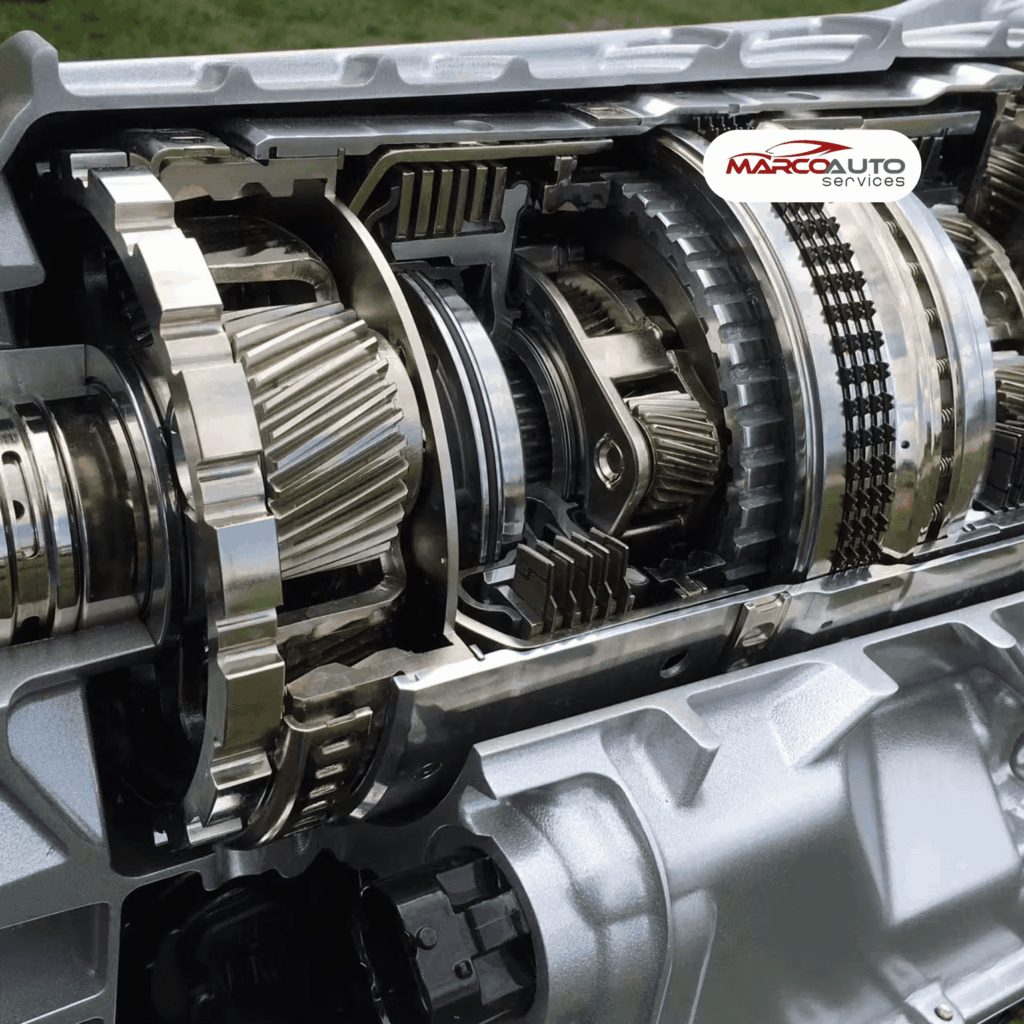
Early detection of transmission problems is one of the brightest ways to save your car from expensive repairs and unexpected breakdowns. Most drivers just ignore the little warning signs simply because they do not fully understand how a transmission behaves when an issue is just beginning to develop. And with modern vehicles becoming increasingly advanced, the early detection of transmission problems has become all the more crucial, especially in cases where AI-powered diagnostic tools are helping technicians identify faults sooner than ever. This article will walk you through symptoms, inspection methods, and maintenance steps in detecting early transmission problems before they turn into serious mechanical failures.
Why Detecting Early Transmission Problems Matters
Because the transmission is one of the most expensive and complex components in your vehicle, detecting early transmission problems is important. The signs are usually small, subtle, or intermittent when the system starts to fail. At times, drivers may experience sporadic hesitation or problems changing gears and ignore these signs. Detecting early transmission problems can save you thousands of dollars because minor issues, like low fluid levels or worn seals, can escalate quickly if left unchecked. With AI-based monitoring systems now able to analyze driving patterns, one big question arises: Could AI predict transmission failures before humans notice the symptoms?
Common Warning Signs to Spot Early Transmission Problems
Early transmission problems can be detected by paying attention to certain physical and mechanical cues when driving. Strange noises-whining, humming, or grinding-are some of the earliest signs of an issue. These sounds often mean internal components are wearing out. Other warning signs of early transmission problems include slipping gears, when a car suddenly speeds up without adjusting the accelerator. They must take notice of delayed engagement when shifting from “Park” to “Drive” or “Reverse.” All these symptoms are crucial for detecting early transmission problems before they create further damage.
Early Detection of Transmission Problems by Transmission Fluid Checks
Checking your transmission fluid is a form of maintenance that is almost impossible to look past if you want to uncover any form of early transmission problem. The fluid serves as a lubricant and coolant, and any anomaly should be an indicator of budding issues. Healthy transmission fluid should be bright red, smooth, and clean. When detecting early transmission problems, the dark, burnt smell, or contaminated fluid will raise red flags. Low fluid levels are also indicative of leaks, one of the major causes of premature transmission failure. Performing regular fluid checks is one of the easiest ways to detect early transmission problems well in advance before they can affect your driving experience.
Performance Symptoms in Detecting Early Transmission Problems
Early detection of transmission problems also involves observing your vehicle’s road performance. If the car is slow to accelerate, exhibits hesitation in shifting, or roughness in gear transitions, these could all be warning signals. Also, at higher speeds, vibrating or shaking during driving could be a signal of torque converter failure. Regarding the early detection of transmission issues, pay attention to illuminated dashboard lights such as the “Check Engine” and “Transmission Temperature” lights. Today’s sensors are complex and sometimes detect internal problems far before you can, serving as one of the most crucial tools for early detection of transmission failure.
Electrical and Computer-Related Issues in the Detection of Early Transmission Problems
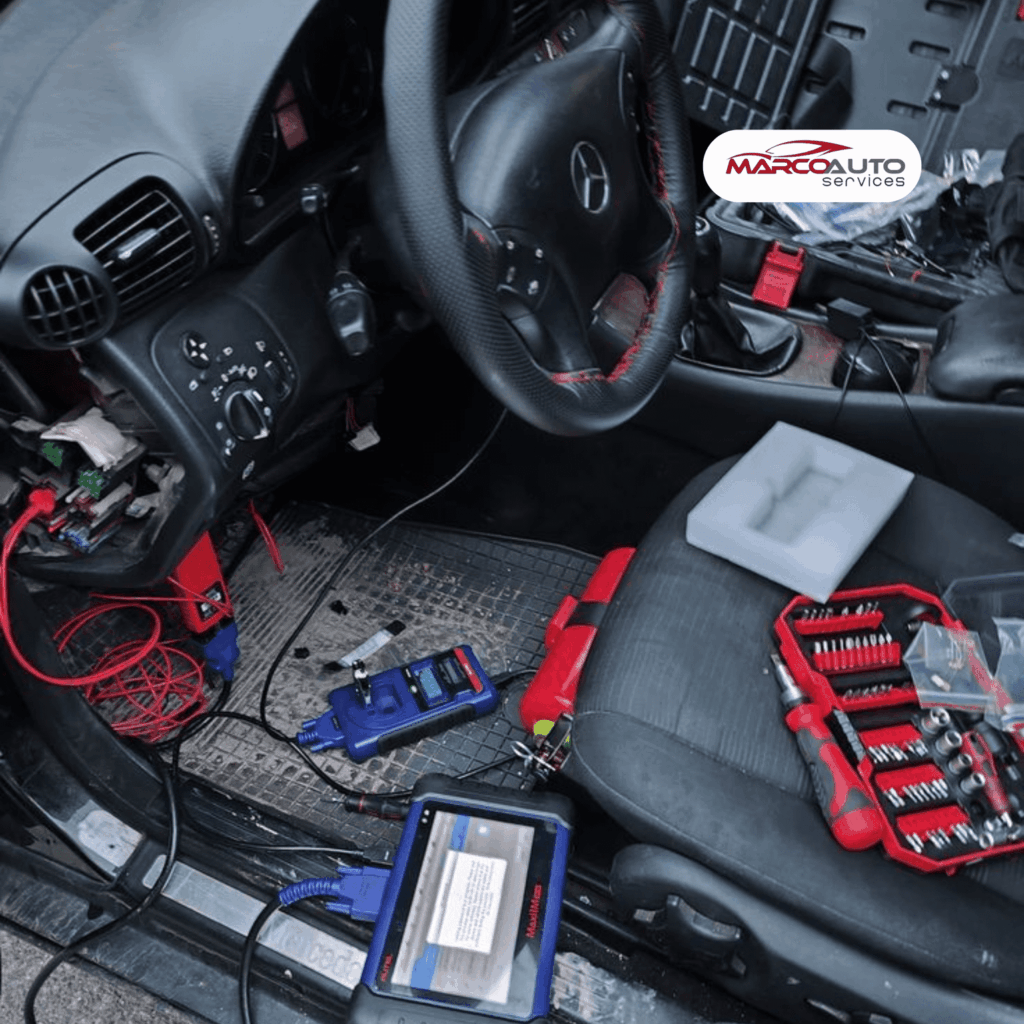
Indeed, detecting early transmission problems today also calls for understanding how electronics influence transmission performance. Newer vehicles rely heavily on sensors, control modules, and software that manage gear shifting, fluid pressure, and temperature. A faulty sensor or malfunctioning control module can easily mimic mechanical failure. Thus, the detection of early transmission problems must include electronic diagnostics. Many workshops already use AI-supported diagnostic scanners, which analyze real-time data and instantly detect irregularities. This technological shift illustrates why the detection of early transmission problems needs both mechanical and digital evaluations.
Regular Maintenance Tips to Catch Early Transmission Problems
Regular vehicle maintenance allows easier detection of early transmission problems. Various fluid changes, gasket replacement, and inspections around the transmission pan are all scheduled services in routine transmission servicing that might reveal hidden problems. Common signs that technicians check for early detection of transmission problems include metals shavings in the fluid, worn clutch material, or torn seals. All these components give an early clue towards impending system failure. A properly followed maintenance schedule, coupled with intermittent digital diagnostic scans, ensures one of the best ways of determining early problems in the transmission system of any vehicle.
Do-It-Yourself Ways to Discover Early Transmission Issues
Early transmission problems do not always require advanced tools to detect. Simple do-it-yourself tests can provide early insight. Begin with warming up your vehicle and observing how well it shifts through gears. While driving at different speeds, listen carefully for unusual sounds. Checking your vehicle for puddles or fluid stains underneath is another important method for the detection of early transmission problems. Even small drips could mean bigger internal problems. You can also use a basic OBD-II scanner and check for transmission-related trouble codes. While DIY methods help in detecting early transmission problems, professional evaluation is still recommended.
How AI Improves Early Detection of Transmission Problems
Detection of early transmission problems is now evolving with advancements in automotive artificial intelligence. Several modern vehicles are equipped with AI systems that monitor noise patterns, vibration levels, fluid temperatures, and shifting behavior. These systems then compare real-time performance with historical data to spot irregularities. When it comes to detecting early transmission problems, AI can much quicker pinpoint the root cause of an issue versus traditional diagnostics. Some repair facilities are now using AI-driven predictive software that estimates exactly how long a transmission component will last in your vehicle based on your driving habits. This new wave of technology makes detecting early transmission problems more accurate and proactive than ever before.
Conclusion: Contact Marco Autos for Reliable Diagnosis
Finding early transmission problems is very important in prolonging the vehicle’s life, for safety, and to prevent costly repairs. From symptoms recognition to AI-driven diagnosis, each motorist should address these items with due seriousness. If any symptom appears or in case you just want a professional check, the best way to find early transmission problems is to entrust experts who can understand modern and traditional automobile systems alike. Clients should therefore reach out to Marco Autos for a comprehensive, accurate, professional assessment, your trusted partner in keeping your transmission and whole vehicle running smoothly.
Recent Comments