How to Identify a Faulty Fuel Pump and Prevent Sudden Breakdown

The dependability of a vehicle is greatly influenced by how effectively its fuel delivery system is running. However, the key to this is the fuel pump in a vehicle’s fuel delivery system. Fuel pump failures often occur suddenly, leaving motorists stranded without prior visible symptoms of malfunction. However, being able to recognize the possible symptoms of Identifying Faulty Fuel Pump and help prevent losses in terms of wasted time and stress.

Role of the Fuel Pump

The fuel pump has the function of pumping the fuel from the tank to the engine with the right amount of fuel at the right pressure. If the fuel process is not completed, efficient combustion in the engine is hindered. Modern cars use electrically powered fuel pumps located in the tank for cooling and lubrication. It is problematic when contamination, or electrical malfunction disrupts this process.

Typical Symptoms of a Bad Fuel Pump:

One of the best ways of Identifying Faulty Fuel Pump problems is through identification of common symptoms. These include engine hesitations at high speeds, problems in starting the vehicle, and sudden reduction in engine power during acceleration. In some instances, the engine could stall without warning, particularly when there is a high engine demand for fuel. A whining sound coming from the fuel tank region is also a common indicator of problems associated with a faulty fuel pump.

Starting Problems and Intermittent Failures

Hard starting or cranking before the engine turns over can easily prove to be an indication when it comes to Identifying Faulty Fuel Pump situations. Intermittent fuel pump faults are dangerous, appearing normal initially but failing when most needed, such as in heavy traffic or highway cruising.

Lower Fuel Efficiency and Performance

A fuel pump that is failing may still be working but not efficiently. This results in poor fuel economy and poor engine performance. When one is checking the symptoms of the Identifying Faulty Fuel Pump, they tend to neglect the decreased mileage experienced. They consider it to be the result of their own poor driving habits. One that lacks consistency in fuel pressure might just cause optimal combustion to be disrupted. The engines may have to work harder. They may end up consuming more fuel.

Diagnostic Checks and Professional Assessment

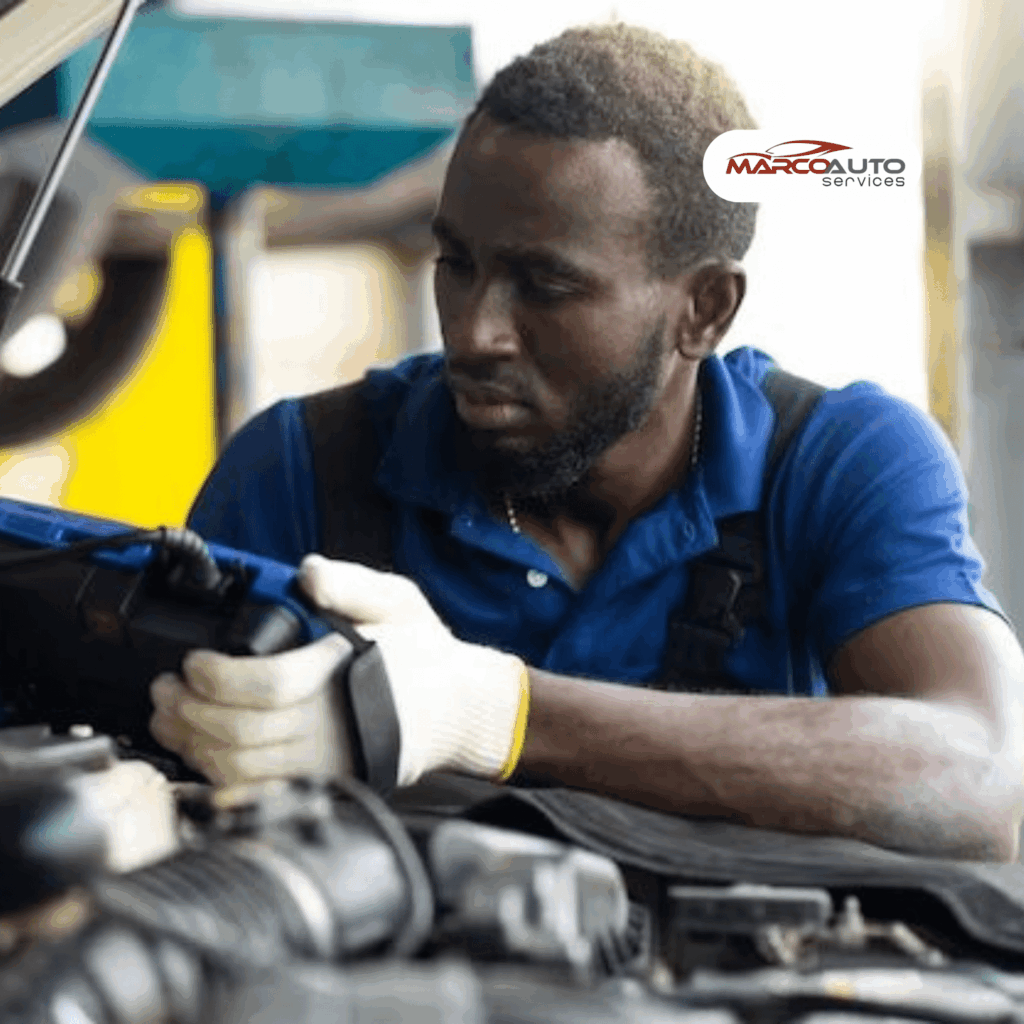
Though there are symptoms observable to car owners, a precise diagnosis for Identifying Faulty Fuel Pump is often only possible with professional equipment. Professionals resort to fuel pressure gauges and other conventional methods to check fuel pump performance. Present-day technology can even pick up fault codes for fuel issues. An important question arises: Will future technology allow artificially intelligent diagnosis systems to anticipate a fuel pump going sour even before symptoms occur?

Strategies in Preventive Maintenance

Prevention is essential in the effort to avoid unexpected failures. It is important to maintain the fuel tank above a quarter full in order to facilitate cooling of the fuel pump and thus avoid overheating. The replacement of the fuel filter is also essential in the prevention of stresses on the fuel pump. All these practices are basic in the early Identifying Faulty Fuel Pump and are more indicative of potential problems through warning signals, as opposed to unexpected failures.

Electric and Fuel Quality

Fuel pumps also require a steady electric current for their function and therefore corroded wiring and faulty relay switches could present fuel pump failure symptoms. In the Identifying Faulty Fuel Pump assessments, mechanics would consider electric parts as well as the mechanical parts for possible fault identification. Fuel of low quality also promotes early wear and corrosion of fuel pumps.

When to Replace Rather than Repair

In most situations, the problem with the fuel pump cannot easily be rectified and hence needs replacement. Driving the car with the faulty component is likely to affect the injectors, the engine, or the catalytic converter. Properly Identifying Conditions of Faulty Fuel Pumps assists the driver of the vehicle in making the appropriate decisions regarding the cost of servicing and the potential for more costly damage at the time of the repair.

Conclusion

In most cases, the failure of a fuel pump does not occur suddenly and will give out indications to drivers and technicians to detect the problem. Effective practices of Identifying Faulty Fuel Pump not only make the process so much easier to identify but also make sure to keep your car safe while driving. For assistance with faulty fuel pump inspection and replacement, contact Marco Autos technicians for your automotive needs and services..
Read more

How to Extend the Lifespan of Your Engine with Smart Maintenance Techniques

extending engine lifespan

The owners of today are more conscious about maintaining their vehicles, considering the rise in repair costs and an ongoing buzz on durability. Smart maintenance techniques have indeed been quite effective and proficient in extending the lifespan of an engine without requiring excessive expertise or expensive interventions. Proactive methods involving the use of technology, including recent AI-based diagnostic systems, would go a long way in improving performance and reliability over time. Knowing how these practices work will help you further extend the life of your engine and protect your investment in your vehicle.

The Core Principles of Engine Health

Before delving into sophisticated approaches, one needs to grasp the fundamental reasons that help in extending the life of a motor. An internal combustion engine requires adequate lubrication, restricted temperatures, clean air, and proper fuel supply for its smooth running. Any malfunctioning in any of these mechanisms results in accelerated wear and potential damage in the long run. Smart maintenance is facilitated by dedication to learning about how these core elements function and how small adjustments can yield large improvements.

Prioritizing Regular Oil and Filter Changes

Perhaps the most basic yet most effective ways of prolonging an engine’s life is by following regular oil change intervals. Oil serves to lubricate moving parts, minimizing friction and preventing overheating. After some time, oil degrades and accumulates debris that diminishes the performance of the engine. Similarly, filters block and impede the normal flow of oil. Wise servicing means opting for premium oils, paying close attention to viscosity ratings, and using filters designed for your type of engine. These minor interventions spare big mechanical breakdowns.

Temperature and efficiency of cooling system monitoring

Considering overheating is among the top reasons for engine failure, maintaining optimal temperature improves engine life significantly. Modern cooling systems rely on effective radiators, thermostats, coolant mixes, and water pumps. Maintenance should involve smart regular checks of coolant levels, assessment of coolant quality, and inspection for leaks or surface cracks in hoses. A small shortage of coolant can quickly result in serious overheating. Temperature monitoring devices and AI-powered sensors alert you to take timely action before the damage has been done.

Leveraging AI-driven diagnostics for early detection

In this age of advanced automotive engineering, AI-driven car diagnosis helps in extending the lifespan of the engine by finding underlying issues much earlier than would be possible with traditional inspection methods. These systems analyze vibration patterns, temperature fluctuations, fluid conditions, and ignition performance. Machine-learning algorithms can predict potential failures before they happen, saving drivers from sudden breakdowns. The question is: what does the future hold for AI’s redefinition of preventive engine maintenance within the next decade? The integration of this innovation into routine servicing will definitely help improve efficiency and accuracy by many folds.

Cleanliness and Efficiency of the Air Intake System

The air intake system stands out because it can help towards increasing the life of the engine, as long as this allows clean air to flow in through the combustion chambers. Dust, dirt, and other debris block filters and impede breathing, raising the workload on the engine. Smart maintenance means inspecting air filters every few thousand kilometers and replacing them as necessary. Drivers who operate in dusty environments can also get high-performance filters. By ensuring smooth airflow, the engine can keep its proper combustion, power delivery, and fuel efficiency.

Using High-Quality Fuel and Monitoring Fuel Systems

Fuel quality directly affects the performance of an engine and is very important for ensuring a long life of the engine. Bad-quality fuel contains impurities that block injectors, negatively affect combustion efficiency, and damage internal components. Smart maintenance involves fueling only at reputable stations, adding fuel system cleaners periodically, and inspecting injectors for buildup. When injectors, pumps, and filters are doing their job right, the engine runs right-smoothly, cleanly burning fuel and resistant to premature deterioration.

Adopting Proper Driving Habits

Driving behavior greatly influences the prolonging of an engine’s life. Quick accelerations, too much idling, and aggressive braking create undue stress on the internal components. Intelligent maintenance involves more than just checking up on the mechanics; it’s about responsible driving: accelerating slowly, driving at constant speeds, and not overloading the engine. In time, these minor changes will reduce wear and keep the engine in good condition.

ROUTINE INSPECTION OF BELTS, HOSES, AND MECHANICAL COMPONENTS

Belts and hoses usually wear out without fuss, but their failure can entail costly mechanical breakdowns. They are all vital in the work of prolonging engine life, particularly as the serpentine belt powers such critical features as the alternator and power steering pump. Smart maintenance includes an examination for cracks and tension tests in replacement of worn components before they actually break. This can save money by avoiding breakdowns caused due to overlooked parts.

Maintaining Proper Lubrication Beyond Engine Oil

While the engine oil is crucial, other lubricated systems also affect the extension of the lifespan of any engine. Transmission fluid, differential oil, and power steering fluid all play their part in the overall performance and longevity of a vehicle. Smart maintenance would mean periodic checks for each of these fluids, ensuring proper viscosity, color, and cleanliness. Overheating, friction damage, and noisy operation are common characteristics of neglected fluid systems that always influence the engine indirectly.

Stability of the Battery and Electrical Systems

The electrical system needs to work in the right manner to help extend the life of the engine, as weak battery performance stresses ignition and fuel systems. Smart maintenance involves checking for clean battery terminals, ensuring charge levels are within specification, and inspecting alternator functionality. Poor electrical systems can cause misfires, difficult starts, and inconsistent engine performance. Regular diagnostic checks keep the system in balance and prevent the wear on internal components.

Servicing by Professionals Scheduled

Even with great personal service, professional maintenance cannot be dispensed with to extending engine lifespan Professional certified technicians use special tools and equipment to locate hidden problems, to recalibrate systems, and to conduct advanced diagnostics. Smart maintenance means sticking to factory-recommended service schedules and consulting professionals when strange noises, wobbles, or other dashboard warnings show up. Expert intervention ensures precision that routine personal checks may not avail.

Conclusion

Long life for engines is possible through purposeful, intelligent maintenance techniques, which combine basic care, responsible driving, and modern technological tools. AI-powered diagnostics, clean systems, and proactive habits contribute much to performance and long-term reliability. Clients should contact Marco Autos for expert assistance in tailored servicing and professional guidance on extending engine lifespan for comprehensive automotive solutions.

Read more

How to Know When Your Gearbox Is Failing and What to Do About It

failing gearbox solutions

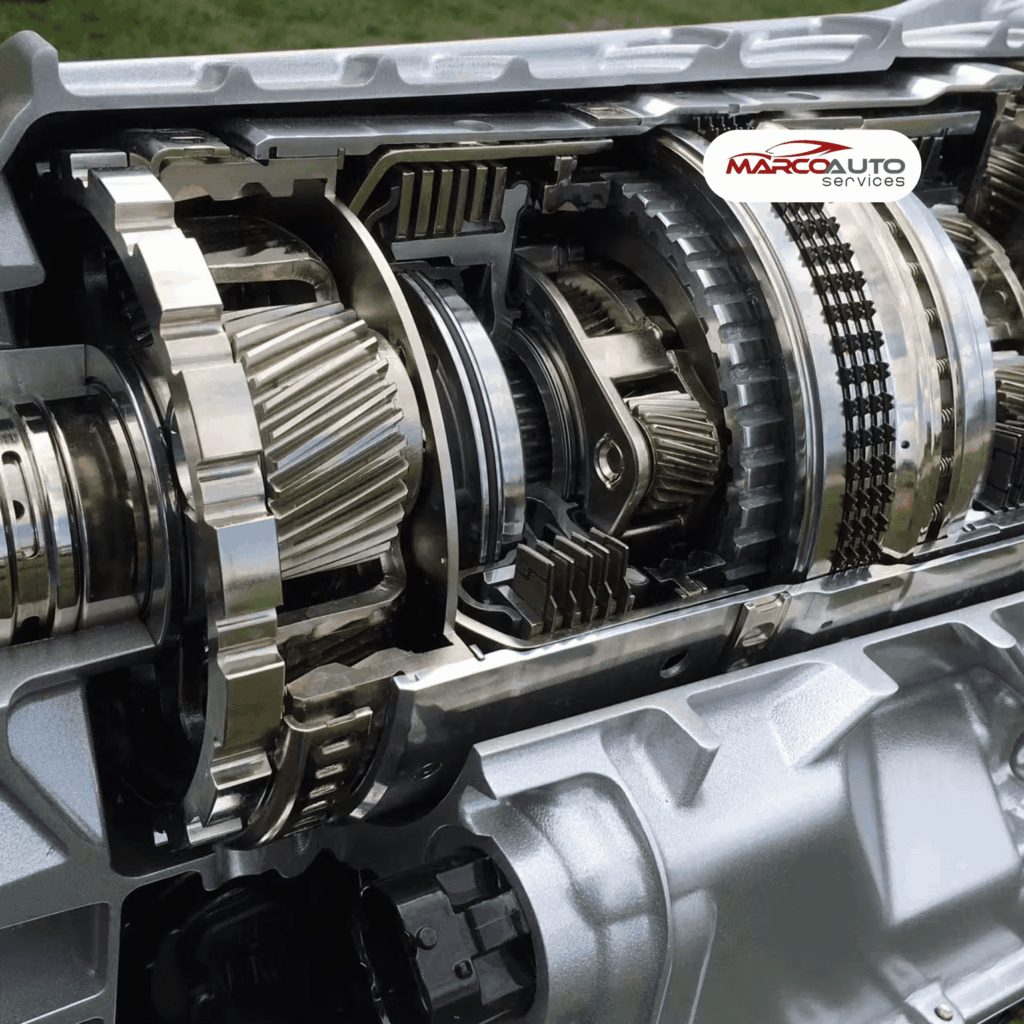
A smoothly working gearbox is vital for any car’s health, yet most of the time, drivers merely notice signs and symptoms when the underlying problem has reached a critical level. Understanding how to identify gearbox problems at an early stage and knowing what steps to take will save you much time, money, and stress. The current-day diary of motoring, where diagnostics are increasingly dependent on smart sensors and AI-supported evaluations, requires you to be better informed to stay several steps ahead. The following article explains the main symptoms indicating gearbox trouble, what actions you should take, and how failing gearbox solutions assist in keeping your car running with consummate efficiency.

Early Warning Signs You Should Never Ignore

Early detection of the first signs of trouble is the best way to avoid complete gearbox failure. Probably the most common warning involves strange noise, grinding, whining, or clunking, particularly when shifting gears. Drivers may notice hesitation or difficulty engaging gears, which often signals early internal wear. These red flags shouldn’t be ignored, as early identification unlocks the door to effective failing gearbox solutions before the problem escalates.

Gear Slippage and What It Means

When your car slips out of gear unexpectedly or struggles to stay in gear, something has seriously gone wrong in the gearbox. This can be attributed to worn-out transmission bands and inner components or insufficient lubrication. The longer one stays in this condition, the higher the chances of costly damage. The sooner the action in seeking professional diagnostics, the more appropriate the failing gearbox solutions that can be suggested by experts for your car.

Leaking Transmission Fluid

Transmission fluid is responsible for cooling the gearbox and lubricating it. If you find that there is fluid pooling under your car or experience a burning smell while driving, this may be due to leakage within the transmission. Low or dirty transmission fluid can lower performance and severely raise friction inside the gearbox. In such a case, immediate assessment becomes crucial so that technicians can consider solutions for a failing gearbox, preventing overheating or permanent damage.

Delayed or Harsh Shifting

One of the surest signs of gearbox failure is related to rough or late shifting. You may experience heavy jerks at gear shifts, or there may be a long time lag before a gear engages. This mostly indicates defects in valve bodies, clogged filters, or malfunctioning electronic controls. In such scenarios, expert intervention becomes very necessary for diagnosing internal issues and considering appropriate *failing gearbox solutions* before the gearbox completely stops working.

Strange Sounds Coming From the Engine Bay

A failing gearbox usually announces its presence through unusual, escalating sounds. Knocking, humming, or metallic rattling noises while gaining speed often indicate worn-out gears, malfunctioned bearings, or misaligned parts. Continuing to drive the car with such noise exposes it to the danger of sudden failure. Immediate inspection helps experts determine the source of the problem and apply failing gearbox solutions that restore quiet, smooth operation.

Gearbox warning lights or error messages

Modern cars have onboard developed systems, together with AI-enhanced sensors that assist in the early detection of gearbox abnormalities. Whenever warning lights, transmission fault codes, or diagnostic error messages appear on your dashboard, you should never ignore them. Such alerts are part of many systems to help one avoid further deterioration of a problem. With digital diagnostics, technicians can easily ascertain the problem and apply appropriate failing gearbox solutions according to real-time data.

Loss of Power or Poor Vehicle Performance

As the gearbox starts to fail, your car may hesitate while accelerating or suddenly lose power. This is very dangerous, especially during overtaking or driving uphill. Loss of power can be due to internal wear, hydraulic pressure failure, or electronic malfunction. Pinpointing it early means one can effectively apply failing gearbox solutions to restore normalcy in power delivery and prevent a complete breakdown of transmission.

Vibrations or Jerking Motions While Driving

You might feel vibrations, shudders, or jerking sensations when your gearbox is failing, especially at shifts of gear or acceleration. These symptoms are usually based on misaligned gears or damaged torque converters. If left unattended, they may result in full transmission seizure. Professional diagnosis helps in the location of the affected components and the implementation of failing gearbox solutions that cease the discomfort and avert long-term damage.

Burning Smell and Overheating

A smell of burning from your car is never good, and in most instances, it signals overheating transmission fluid. Overheating takes place when the gearbox is strained too hard or lubrication has worn out. If unaddressed, parts start wearing out rapidly, which can lead to complete gearbox failure. Seeking expert attention ensures that you get the correct failing gearbox solutions to cool the system and protect your vehicle.

What to Do When You Suspect Gearbox Problems

If any of the signs described above are noticed, no matter how minor they might be, one should not wait. The first step one can take is to check the level and condition of the transmission fluid; however, amateur repairs in the gearbox should be avoided. Gearboxes are of a complicated nature; they require qualified intervention. The safest step one could make is to schedule an inspection with certified mechanics who can conduct detailed diagnostics and provide the best failing gearbox solutions tailored to your car’s condition.

Preventive Maintenance Tips

Regular vehicle maintenance will definitely help you to avoid gearbox troubles in the future. Follow the manufacturer-recommended service intervals, change your transmission fluid when needed, and pay extra attention to how your car sounds and feels. As AI-driven monitoring systems become increasingly available, consider using smart diagnostic tools that track gearbox performance over time. Preventive care combined with expert failing gearbox solutions ensures long-lasting gearbox health.

Conclusion

Your gearbox is one of the most important parts of your vehicle, and neglecting these warning signs could result in costly repairs or complete failure. Early detection of symptoms, swift action, and dependence on professionals help protect your vehicle’s performance and safety. For professional diagnostics, repairs, and the most reliable failing gearbox solutions, clients should contact Marco Autos for expert advice and long-lasting results.

Read more

How to Detect Transmission Problems Early

detecting early transmission problems

Early detection of transmission problems is one of the brightest ways to save your car from expensive repairs and unexpected breakdowns. Most drivers just ignore the little warning signs simply because they do not fully understand how a transmission behaves when an issue is just beginning to develop. And with modern vehicles becoming increasingly advanced, the early detection of transmission problems has become all the more crucial, especially in cases where AI-powered diagnostic tools are helping technicians identify faults sooner than ever. This article will walk you through symptoms, inspection methods, and maintenance steps in detecting early transmission problems before they turn into serious mechanical failures.

Why Detecting Early Transmission Problems Matters

Because the transmission is one of the most expensive and complex components in your vehicle, detecting early transmission problems is important. The signs are usually small, subtle, or intermittent when the system starts to fail. At times, drivers may experience sporadic hesitation or problems changing gears and ignore these signs. Detecting early transmission problems can save you thousands of dollars because minor issues, like low fluid levels or worn seals, can escalate quickly if left unchecked. With AI-based monitoring systems now able to analyze driving patterns, one big question arises: Could AI predict transmission failures before humans notice the symptoms?

Common Warning Signs to Spot Early Transmission Problems

Early transmission problems can be detected by paying attention to certain physical and mechanical cues when driving. Strange noises-whining, humming, or grinding-are some of the earliest signs of an issue. These sounds often mean internal components are wearing out. Other warning signs of early transmission problems include slipping gears, when a car suddenly speeds up without adjusting the accelerator. They must take notice of delayed engagement when shifting from “Park” to “Drive” or “Reverse.” All these symptoms are crucial for detecting early transmission problems before they create further damage.

Early Detection of Transmission Problems by Transmission Fluid Checks

Checking your transmission fluid is a form of maintenance that is almost impossible to look past if you want to uncover any form of early transmission problem. The fluid serves as a lubricant and coolant, and any anomaly should be an indicator of budding issues. Healthy transmission fluid should be bright red, smooth, and clean. When detecting early transmission problems, the dark, burnt smell, or contaminated fluid will raise red flags. Low fluid levels are also indicative of leaks, one of the major causes of premature transmission failure. Performing regular fluid checks is one of the easiest ways to detect early transmission problems well in advance before they can affect your driving experience.

Performance Symptoms in Detecting Early Transmission Problems

Early detection of transmission problems also involves observing your vehicle’s road performance. If the car is slow to accelerate, exhibits hesitation in shifting, or roughness in gear transitions, these could all be warning signals. Also, at higher speeds, vibrating or shaking during driving could be a signal of torque converter failure. Regarding the early detection of transmission issues, pay attention to illuminated dashboard lights such as the “Check Engine” and “Transmission Temperature” lights. Today’s sensors are complex and sometimes detect internal problems far before you can, serving as one of the most crucial tools for early detection of transmission failure.

Electrical and Computer-Related Issues in the Detection of Early Transmission Problems

Indeed, detecting early transmission problems today also calls for understanding how electronics influence transmission performance. Newer vehicles rely heavily on sensors, control modules, and software that manage gear shifting, fluid pressure, and temperature. A faulty sensor or malfunctioning control module can easily mimic mechanical failure. Thus, the detection of early transmission problems must include electronic diagnostics. Many workshops already use AI-supported diagnostic scanners, which analyze real-time data and instantly detect irregularities. This technological shift illustrates why the detection of early transmission problems needs both mechanical and digital evaluations.

Regular Maintenance Tips to Catch Early Transmission Problems

Regular vehicle maintenance allows easier detection of early transmission problems. Various fluid changes, gasket replacement, and inspections around the transmission pan are all scheduled services in routine transmission servicing that might reveal hidden problems. Common signs that technicians check for early detection of transmission problems include metals shavings in the fluid, worn clutch material, or torn seals. All these components give an early clue towards impending system failure. A properly followed maintenance schedule, coupled with intermittent digital diagnostic scans, ensures one of the best ways of determining early problems in the transmission system of any vehicle.

Do-It-Yourself Ways to Discover Early Transmission Issues

Early transmission problems do not always require advanced tools to detect. Simple do-it-yourself tests can provide early insight. Begin with warming up your vehicle and observing how well it shifts through gears. While driving at different speeds, listen carefully for unusual sounds. Checking your vehicle for puddles or fluid stains underneath is another important method for the detection of early transmission problems. Even small drips could mean bigger internal problems. You can also use a basic OBD-II scanner and check for transmission-related trouble codes. While DIY methods help in detecting early transmission problems, professional evaluation is still recommended.

How AI Improves Early Detection of Transmission Problems

Detection of early transmission problems is now evolving with advancements in automotive artificial intelligence. Several modern vehicles are equipped with AI systems that monitor noise patterns, vibration levels, fluid temperatures, and shifting behavior. These systems then compare real-time performance with historical data to spot irregularities. When it comes to detecting early transmission problems, AI can much quicker pinpoint the root cause of an issue versus traditional diagnostics. Some repair facilities are now using AI-driven predictive software that estimates exactly how long a transmission component will last in your vehicle based on your driving habits. This new wave of technology makes detecting early transmission problems more accurate and proactive than ever before.

Conclusion: Contact Marco Autos for Reliable Diagnosis

Finding early transmission problems is very important in prolonging the vehicle’s life, for safety, and to prevent costly repairs. From symptoms recognition to AI-driven diagnosis, each motorist should address these items with due seriousness. If any symptom appears or in case you just want a professional check, the best way to find early transmission problems is to entrust experts who can understand modern and traditional automobile systems alike. Clients should therefore reach out to Marco Autos for a comprehensive, accurate, professional assessment, your trusted partner in keeping your transmission and whole vehicle running smoothly.

Read more

How to Fix Minor Electrical Issues in Your Vehicle

fixing minor electrical issues

Electrical faults are among the most common challenges drivers face, and repairing minor electrical issues early can save you from bigger, more expensive problems down the road. Modern vehicles depend highly on electronics, from lighting systems to onboard computers; thus, understanding how these systems work makes fixing minor electrical issues much easier. With today’s advancements, even AI-driven diagnostics play a role in car maintenance, which begs the question: Can AI eventually help everyone fix minor electrical issues more accurately than traditional ways of doing it?

Understanding Your Vehicle’s Electrical System

The first step to fixing minor electrical issues is understanding the basic components that make your car’s electrical system function: the battery, alternator, starter, fuses, and wiring harnesses come together to power every electrical feature. When you start fixing little electrical issues, knowing where these components are helps you troubleshoot faster. In many cases, modern vehicles have AI-assisted monitoring systems, which make diagnosis and fixing of minor electrical faults much easier both for car owners and technicians.

Identifying Common Symptoms of Electrical Faults

Pay attention to early warning signs before fixing minor electrical issues. These might include dim headlights, intermittent dashboard lights, malfunctioning power windows, or an engine that refuses to start. Matching symptoms with likely causes helps you avoid unnecessary repairs when fixing little electrical issues. Real-time suggestions for fixing little electrical issues offered even by AI-powered apps are very helpful as the second opinion during troubleshooting.

Inspect the Battery and Terminals

By far, one of the easier steps in fixing minor electrical issues is to check your battery. A weak or corroded battery can be responsible for a number of electrical malfunctions. In fixing minor electrical issues related to battery performance, you will want to check for corrosion on the terminals, ensure they are tightly connected, and test the voltage with a multimeter. Because modern cars sometimes rely on AI-integrated battery monitoring systems, they can warn you of low charge or irregular performance and, therefore, make fixing electrical issues much quicker and more precise.

Checking Fuses and Relays

Fuses serve to protect your car’s electrical circuits, so blown fuses are often the cause of repair when fixing smaller electrical issues, like dead lights or malfunctioning accessories. When making repairs for minor electrical concerns, refer to the fuse box diagram in your owner’s manual always. Replace blown fuses with the proper amperage to prevent further damage. Relays play a crucial role in circuit functionality, and troubleshooting them is essential for resolving erratic issues. Advanced vehicle AI will soon provide automatic alerts, directing drivers to the responsible fuse for efficient repairs.

Checking Wiring and Connectors

Minor electrical issues can arise from loose or damaged wiring, necessitating inspection of visible wires. If frayed wires are apparent, or the connectors seem loose, correction is a key step in order not to allow minor issues to develop into serious ones. In new cars, AI-based diagnostics can sometimes point to wiring inconsistencies, which make the effort of fixing electrical issues far less time-consuming compared to before.

Testing the Alternator

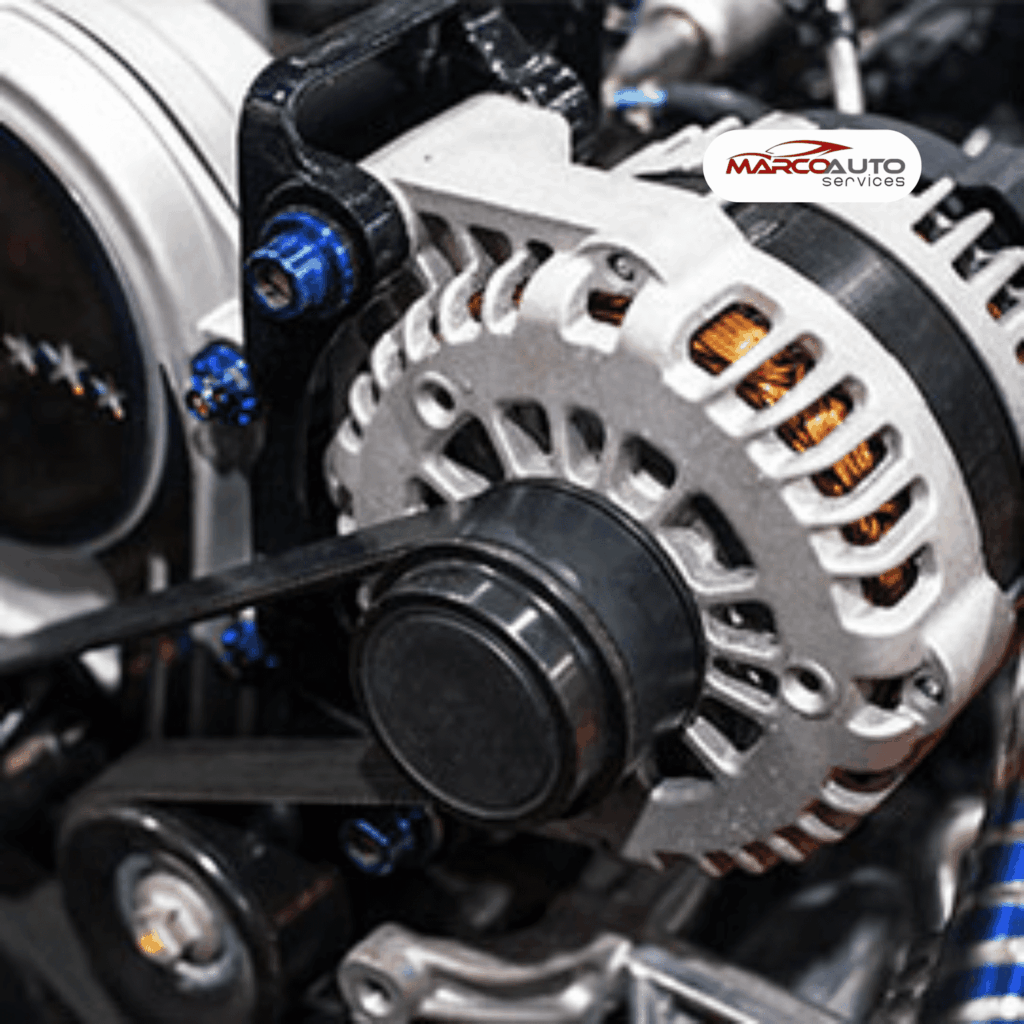
The alternator keeps your battery charged while the engine is running. When it fails, fixing electrical issues becomes an urgent matter to prevent a complete breakdown. During the process of fixing small electrical issues of the charging system, you may find signs such as dimming lights when the accelerator is pressed or a low battery light on your dashboard. You can determine whether the alternator is producing adequate power by using a voltmeter. Most of the new vehicles have AI-based sensors, and hence they provide early warnings when the performance of the alternator goes down, thus accelerating the process of fixing minor electrical issues.

Inspecting Your Vehicle’s Ground Connections

Ground wires are very important for steady electricity flow. Poor grounding results in flickering lights and malfunctioning gauges, among other faults necessitating fixing of minor electrical issues. To start fixing minor electrical issues brought about by poor grounding, find major straps that ground in the engine bay and clean them, ensuring they are tight. Most state-of-the-art AI systems installed in modern-day cars can easily detect voltage anomalies, hence enabling one to fix minor electrical issues linked to poor grounds even faster.

Addressing Issues in the Lighting System

Light-related faults are among the most common reasons for fixing minor electrical issues. Whether it’s headlights, turn signals, or brake lights, simple steps such as changing bulbs, checking sockets, and verifying switch operation can help when it comes to fixing minor electrical issues. LED-equipped cars may have onboard AI that monitors failing lights. Such technology makes fixing minor electrical issues easier, where possible, by notifying a driver before the light totally goes out.

Using Diagnostic Tools and AI Assistance

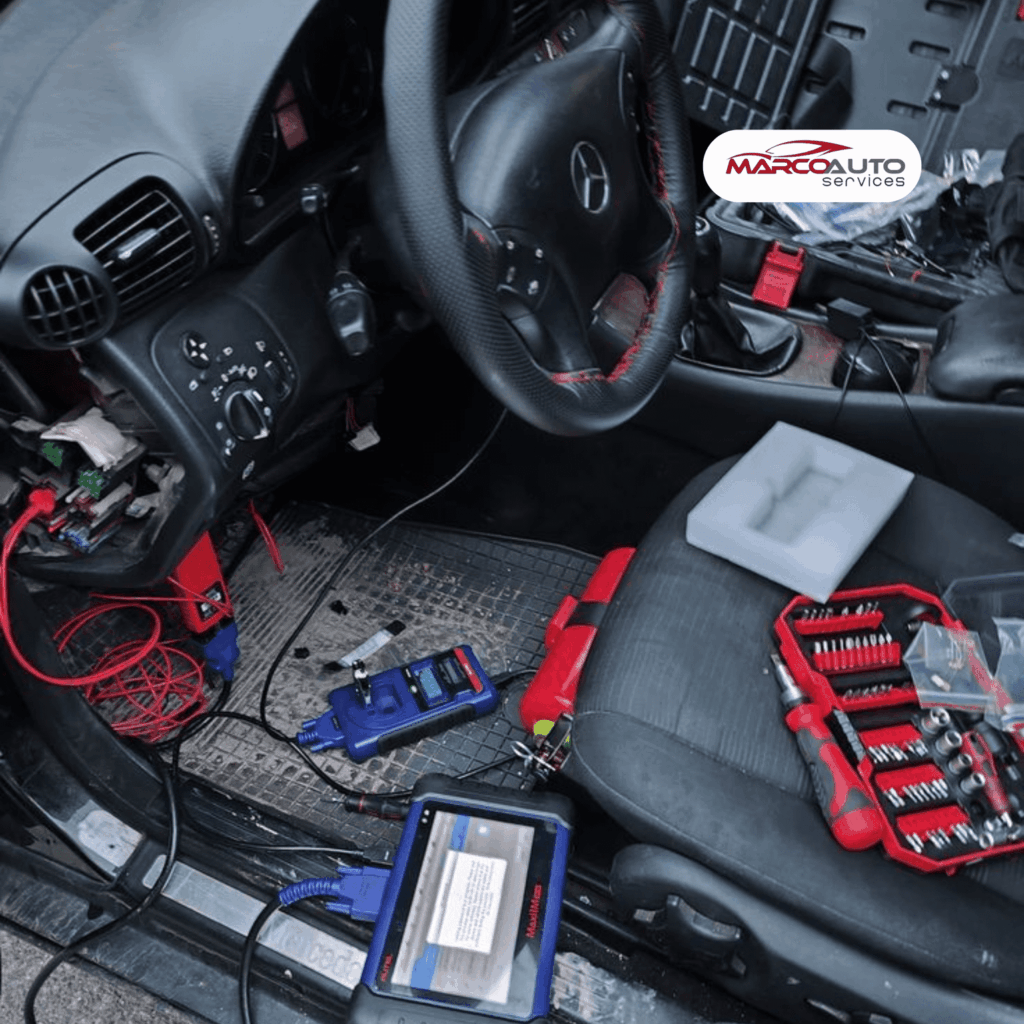
Today’s diagnostic scanners, including AI-enhanced tools, make repairing minor electrical problems less complex by rapidly determining trouble codes. When repairing minor electrical problems, an OBD-II scanner assists in knowing what specific electrical systems need your attention. AI-driven diagnostics may investigate patterns and suggest the most probable solution; thus, drivers will have an advantage in repairing minor electrical problems in an advanced manner without resorting to guesswork.

When to Seek Professional Help

While many steps in fixing minor electrical issues can be handled by the driver, some problems require expert knowledge. If you have attempted fixing little electrical issues and symptoms persist, do consult a qualified technician. Professionals have advanced equipment, wiring diagrams, and AI-guided diagnostic tools that make fixing little electrical issues more accurate and safer. This ensures that problems are resolved without any risk of damage to your vehicle.

Conclusion

Understanding the electrical system in a car, watching out for warning signs, and utilizing today’s diagnostic tools with AI go a long way in making minor electrical issues easy to fix for drivers. However, some problems require the expertise of seasoned professionals. For reliable, efficient, and expert support in fixing minor electrical issues, clients should reach out to Marco Autos for top-quality automotive electrical care.

Read more

How to Replace a Faulty Alternator or Starter Motor

replacing a faulty alternator

Starting issues or repeated battery deaths have causes that might be deeper than you think. To many average drivers, replacing a faulty alternator or a starter motor can be a daunting endeavor, but knowing what is happening can help save time and undue stress and avoid unnecessary expenses. Both the alternator and the starter motor are crucial to your vehicle’s electrical and ignition systems, respectively. Being aware of when and how to address them keeps your car dependable on the road.

Understanding the Role of the Alternator and Starter Motor

Before replacing a faulty alternator, it’s crucial that one understands what it does. The alternator powers your vehicle’s electrical system while the engine runs, charging the battery and ensuring all components-from headlights down to infotainment systems-work efficiently. In its absence, your car battery would die within minutes.

Similarly, the starter motor is the small but powerful device that turns your engine over when you turn the key or press the ignition button. If it fails, your car won’t start at all. While replacing a faulty alternator or a dead starter might seem technical, with proper knowledge and tools, even a careful DIY enthusiast can manage the task, or even better, seek expert assistance from professionals like Marco Autos.

Signs That Indicate You Need to Replace the Alternator

This means that the earlier the faulty alternator is detected, the better. Watch out for signs such as dimming headlights, a flickering dashboard, or a battery warning light that won’t go off. Other symptoms include strange noises under the hood or a burning rubber smell caused by worn-out belts.

If your car battery continued to drain even after charging, this could also signify that the alternator is not recharging it. When any of these signs start showing, it is time to consider replacing a faulty alternator before it leads to a breakdown on the road.

How to Prepare for Replacing a Faulty Alternator

Before starting to replace a faulty alternator, preparations are necessary. Basic tool needs include a ratchet set, wrench, screwdrivers, gloves, and safety glasses. Always disconnect the battery’s negative terminal before commencing work on the electrical system to avoid shocks or shorts.

It is also very important to purchase an alternator model compatible with your car’s make and engine type. Using the wrong one could cause charging issues or even damage your electrical system. Remember, even if you feel confident in the process of replacing a faulty alternator, having a professional inspect your vehicle after replacement simply ensures that everything is properly connected and aligned.

The Step-by-Step Process of Replacing a Faulty Alternator

Replacement of a faulty alternator is done through a number of careful steps:

Disconnect the battery: Always remove the negative terminal first to avoid electric shocks.

Locate the alternator: it is usually up front in the engine, connected by a serpentine belt.

Remove the belt: Loosen the tensioner pulley and carefully slide the belt off the alternator pulley.

Disconnect the electrical connectors: Take off all plugs and wiring harnesses that are connected to the alternator.

Unbolt the alternator: Remove the mounting bolts then pull out the defective alternator.

Install the new alternator: Mount it securely, reconnect the electrical connections, and reinstall the belt.

Reconnect the battery: Once everything is in place, reconnect the battery terminal and start the car to test.

This will ensure that the procedure for replacing a faulty alternator is done with safety and correctness.

Diagnosing Starter Motor Problems

While replacing a faulty alternator addresses the power generation problem, starter motor issues affect engine ignition. Among common signs that a car has a bad starter are clicking noises when the key is turned or grinding sounds, and sometimes the complete lack of engine response might even be mistaken for a dead battery.

Although it may seem that replacing a faulty alternator is more common, starters do require similar care in replacement. The starter usually rests at the bottom of the engine, attaching to the flywheel, meaning its removal requires more physical effort and attention to alignment.

Replacing a Starter Motor: What to Expect

Just like changing out a bad alternator, changing a starter motor starts with disconnecting the battery. You will then want to find the starter, disconnect the solenoid wire and mounting bolts, and carefully pull it out of its housing.

Installation of a new starter involves correct placement and tightening of the bolts to manufacturer specifications. Once you’ve reattached the wiring, reconnect the battery and test-start the vehicle. If it cranks smoothly, the job is a success. If there are strange noises or slow starts, you may need to recheck your connections or have Marco Autos verify the installation.

The Role of AI in Automotive Diagnostics

Interestingly, AI is changing how technicians tackle alternator replacement or diagnose a dead starter motor. Today’s modern vehicles have onboard diagnostic systems that employ AI algorithms in real time to detect voltage irregularities, current draw, and performance issues in the operation of the starter.

Imagine how things could change if, one day, the AI assistant in your car could predict alternator failure before it occurs. That would change how we handle vehicle maintenance, right? The use of predictive AI in automotive repair ensures faster diagnosis, lower repair costs, and fewer roadside emergencies. Technology is making replacing a faulty alternator a more proactive task rather than a reactive one.

Safety Tips During Replacement

Whether you’re replacing a faulty alternator or a starter motor, safety should always be number one. Avoid loose-fitting clothing, ensure your car is on a flat surface, and make use of jack stands if you need to lift the vehicle. Keep a fire extinguisher nearby and follow all safety guidelines from your vehicle’s service manual.

It’s also a good practice to double-check all wiring after replacing a faulty alternator to avoid short circuits. A small mistake could lead to electrical damage or even a fire hazard.

Why You Should Trust Professionals Such As Marco Autos

While many of our enthusiasts quite rightfully take pride in DIY repairs, the replacement of a faulty alternator or starter motor can sometimes be more complex than it seems. Professionals at Marco Autos have the right diagnostic tools, experience, and parts to assure the best performance of your car.

You save time by trusting experts and avoiding potential errors likely to cost more in the long run. For alternator replacement, you get to enjoy precision, efficiency, and peace of mind, which are what you will get at Marco Autos.

Conclusion: Let Marco Autos handle your alternator or starter motor replacement

Replacing a faulty alternator or a starter motor is not just an action of replacing a part; it is actually restoring the heartbeat of your car’s electrical system. Some drivers can do the job themselves; however, it is always safer and more effective to let professionals take on the work. Whether your car is displaying signs of power loss, flickering lights, or struggling to start, do not wait until it completely breaks down. Call Marco Autos today for dependable diagnostics and proficient service to replace your alternator or starter motor at an affordable price. Let Marco Autos get your car running again and your journeys uninterrupted.

Read more

The Ultimate Guide to Preventive Maintenance for a Longer Vehicle Lifespan

Longer Vehicle Lifespan

Every car owner wants their vehicle to live longer without breakdowns and repairs that eat into their pockets. It’s not luck, it’s the result of regular preventive care. Just like the human body needs regular check-ups to stay fit, a car requires regular maintenance to keep running. Understanding how preventive maintenance brings a longer vehicle lifespan to your car can translate to time, stress, and money saved.

Why Preventive Maintenance Matters

Preventive maintenance is the secret to an extended vehicle lifespan. Preventive maintenance involves inspection, maintenance, and replacement of parts before they occur. The majority of car owners take their car to a mechanic only after warning lights or unusual sounds show up. Preventive maintenance, however, identifies issues early, keeps your car in its optimal condition, and its longevity is enhanced overall. By being proactive, you’re not just fixing issues, you’re investing in a longer vehicle life and seamless performance.

Periodic Oil Changes: The heartbeat of a Healthy Engine

Your engine is akin to the heart of the human body, and oil is the blood that circulates and keeps it beating. Periodic oil changes are one of the simplest yet most effective ways of achieving a longer vehicle life. Fresh oil lubricates engine parts, generates less friction, and prevents overheating. Over time, old oil becomes thick and dirty, causing the engine to work harder and wear out faster. By following your manufacturer’s oil change schedule, you’re ensuring your car enjoys a smoother ride and a longer vehicle lifespan without unexpected engine troubles.

Tire Care: The Foundation for Safety and Longevity

Wheels pay a considerable role in an extended car life due to their influence on fuel efficiency, traction, and safety. Worn-out or low-pressure tires can stress your suspension system and decrease gas mileage. Monitoring tire pressure, alignment, and tread depth ensures even wear and prevents premature wear. Tire rotation every few thousand miles not only keeps you out of costly replacements, but also serves a longer car life by maintaining stability and handling.

Fluid Tests and Replacements

Apart from engine oil, several other fluids are responsible for a longer lifespan of the vehicle. Coolant, brake fluid, transmission fluid, and power steering fluid all have crucial roles to play in keeping different systems in top shape. When fluids deteriorate or leak, the vehicle is prone to overheating, brake failure, or a damaged transmission. Frequent checks and timely replacement of such fluids avoid each part failing, protecting the engine and ensuring a longer lifespan of the vehicle for years to come.

Brake System Maintenance

Your brakes are not just for safe stops, but for maintaining your vehicle’s long life as well. Not taking care of squealing or soft brakes can cause damage to rotors and expensive components. Preventative maintenance involves checking brake pads, discs, and fluid on a regular basis. A well-maintained braking system not only saves you in a bind, but also prevents wear and tear on related systems, resulting in less wear and tear, a smoother ride, and a longer overall vehicle life.

Battery and Electrical System Test

A reliable electrical system is what will allow for extended vehicle life. The battery powers everything from the ignition to onboard electronics, and a weak or corroded battery will result in a host of problems. Regular terminal cleaning, charge level maintenance, and the replacement of old batteries avoid expensive breakdowns. Preventative maintenance in this regard keeps your car’s electrical systems in place and specifically adds to an extended vehicle life with enhanced performance and reliability.

Air Filter and Spark Plug Replacement

Small components like air filters and spark plugs contribute in a big way towards the achievement of a longer life for the automobile. A soiled air filter disrupts air flow, and the engine uses extra fuel and operates tougher. Faulty spark plugs also lead to misfires and reduced power. Replacing these inexpensive parts on a regular basis ensures maximum fuel economy and smooth starting. This small act of maintenance improves engine health and contributes in a big way towards a longer lifespan of the car.

Suspension and Steering System Inspect

If your ride is bumpier or less stable than it used to be, your suspension system may be under duress. Adequate suspension maintenance is crucial for an extended lifespan of the vehicle as it impacts not only comfort but also safety and handling. Regularly inspecting shocks, struts, and steering parts avoids excessive vibration, uneven tire wear, and misalignment. An optimally balanced suspension keeps your vehicle performing at its best, resulting in an extended vehicle lifespan and a more comfortable ride.

Seasonal Maintenance for Different Weather Conditions

There are different seasons, and every season has its own challenge for your car. Cold weather will glaciate fluids, while heat taxes your battery and cooling system. Maintenance scheduled accordingly for different seasons will give your car a longer life. For instance, before winter, antifreeze levels need to be inspected, while in summer, inspect the air conditioner and cooling system. This adaptability ensures your car to be effective and strong irrespective of environmental changes, contributing a lot to extended car life.

The Role of Technology and AI in Preventive Maintenance

The future of car maintenance is artificial intelligence. Modern cars use AI-based diagnostics to detect flaws before they become evident. Imagine your vehicle predicting when the brake pads need to be replaced or sending you a notification of the dwindling battery life, all in real-time. Such technologies make it easier than ever before to prolong the life of the vehicle. With AI-enabled maintenance reminders and smart analytics, drivers can make informed decisions based on data to prolong the efficiency, reliability, and longevity of their vehicles.

Conclusion: Ride with Marco Autos for a Longer Lifespan of Your Vehicle

Ultimately, preventive maintenance is not a one-time assignment but an ongoing care regime for your vehicle’s well-being. With every check-up, oil change, and replacement, you’re rewarded with a longer lifespan of your vehicle, improved performance, and greater resale value. Drive daily or occasionally, consistency in care makes the difference.

At Marco Autos, we are committed to providing excellence in preventive maintenance that is specially designed to offer extended life for your vehicle irrespective of make and model. Our expert technicians use cutting-edge diagnostic tools, including AI-powered systems, to keep your vehicle in its best state. Don’t wait for problems to arise; secure your car’s future today.

Reach out to Marco Autos for expert maintenance services that guarantee safety, reliability, and extended lifespan of the car for years to come.

Read more

The Role of Skilled Auto Engineers in Fixing Complex Vehicle Problems

Skilled Auto Engineers

Today, vehicles are becoming increasingly sophisticated, integrating mechanical precision with digital intelligence. As cars transition from purely mechanical systems to smart, AI-assisted machines, the importance of skilled auto engineers has never been more evident. These professionals bridge the gap between traditional repair expertise and modern technological understanding, ensuring that even the most complex vehicle problems are diagnosed and resolved with accuracy and efficiency.

Understanding the Modern Vehicle Landscape

Modern vehicles are far more advanced than their predecessors. They feature computerized control units, electronic fuel systems, automatic transmissions, and intelligent sensors that regulate nearly every function. From emission control to adaptive cruise systems, vehicles rely heavily on integrated technology. This evolution has created a new demand for skilled auto engineers who can interpret diagnostic codes, understand sensor data, and perform intricate repairs that go beyond standard mechanical fixes.

A simple issue such as reduced fuel efficiency or a dashboard warning light could involve complex interactions between software, sensors, and physical components. Only skilled auto engineers with the right training and analytical mindset can trace these issues to their root causes without unnecessary part replacements or costly trial-and-error repairs.

The Diagnostic Power of Skilled Auto Engineers

Accurate diagnosis is the cornerstone of vehicle repair, and skilled auto engineers are masters of this art. Unlike general mechanics, they combine technical knowledge with logical reasoning, using advanced diagnostic tools to pinpoint underlying problems. With modern vehicles now equipped with hundreds of sensors and electronic modules, diagnosis involves more than physical inspection, it requires digital interpretation.

Skilled auto engineers use on-board diagnostics (OBD-II) scanners, oscilloscopes, and specialized software to read error codes and identify system irregularities. Their ability to interpret these data sets sets them apart, allowing them to uncover issues in electrical systems, engine management, and computerized safety systems. This precision not only saves time but also reduces costs for vehicle owners, as problems are solved correctly the first time.

The Integration of AI in Automotive Repairs

Artificial intelligence (AI) is transforming the automotive service industry. With predictive maintenance, automated diagnostics, and machine learning, vehicles are now capable of alerting drivers about potential failures before they occur. This advancement raises an intriguing question: Will AI ever replace skilled auto engineers?

The answer lies in balance. While AI can process large volumes of diagnostic data faster than humans, it still lacks the intuitive understanding and adaptive problem-solving abilities that skilled auto engineers bring to the table. For instance, a sensor might report an electrical fault, but only an experienced engineer can identify whether it’s due to a corroded connector, a faulty ground wire, or a malfunctioning control unit.

Rather than replacing human expertise, AI enhances it. Skilled auto engineers leverage AI tools to analyze performance trends, interpret predictive alerts, and apply human judgment to confirm or refine automated results. This collaboration between human intelligence and artificial intelligence defines the future of automotive repair, making expert auto engineers indispensable in an AI-driven era.

Handling Complex Electrical and Mechanical Issues

Modern vehicles depend on intricate electrical systems, wiring harnesses, ECUs (Electronic Control Units), and integrated sensors, all working in harmony. When these systems fail, even a minor glitch can disable major vehicle functions. Skilled auto engineers play a critical role in navigating these complexities, employing both electrical theory and hands-on testing to restore functionality.

For example, diagnosing a malfunctioning anti-lock braking system (ABS) involves analyzing sensor output, testing voltage continuity, and assessing hydraulic components. Similarly, hybrid and electric vehicles introduce additional challenges such as battery management, regenerative braking systems, and inverter control. Only auto engineers with up-to-date training in these advanced systems can ensure safety and precision during repairs.

The Importance of Continuous Learning

The automotive industry evolves rapidly, introducing new models, features, and digital systems every year. For skilled auto engineers, learning never stops. They must stay ahead of the curve, constantly upgrading their knowledge through technical workshops, certifications, and manufacturer training programs.

This commitment to continuous education ensures that skilled auto engineers are prepared to handle innovations such as electric drivetrains, autonomous driving technologies, and smart infotainment systems. Their adaptability makes them valuable assets in an industry where technology outpaces traditional repair methods. Clients who rely on professionals with updated expertise experience fewer recurring problems, longer vehicle lifespan, and improved overall performance.

Skilled Auto Engineers and Customer Satisfaction

Beyond technical expertise, skilled auto engineers understand the importance of customer satisfaction. They communicate transparently, explaining technical issues in simple terms and offering repair options that align with clients’ budgets. Their approach builds trust, ensuring clients feel confident in the quality and necessity of recommended repairs.

Moreover, skilled auto engineers prioritize preventive maintenance. Instead of waiting for breakdowns to occur, they help clients plan routine checks, fluid changes, and system updates to prevent future complications. This proactive care not only enhances safety but also reduces long-term maintenance costs, making auto engineers true partners in responsible vehicle ownership.

The Marco Autos Advantage

At Marco Autos, we take pride in employing a team of skilled auto engineers who combine technical precision with innovative problem-solving. Whether your vehicle is a modern hybrid, a luxury sedan, or a commercial truck, our experts have the knowledge and tools to handle even the most complex issues.

Our engineers use state-of-the-art diagnostic equipment, manufacturer-approved parts, and AI-assisted technology to ensure accurate results and lasting performance. Each member of our team is dedicated to continuous learning and professional excellence, ensuring that your vehicle receives care that meets global standards.

Conclusion: Trust Marco Autos for Expert Automotive Solutions

As vehicles continue to evolve, the demand for skilled auto engineers will only increase. These professionals are the backbone of modern vehicle maintenance, combining mechanical expertise, digital literacy, and innovative thinking to keep cars running safely and efficiently.

If you value precision, transparency, and reliability, look no further than Marco Autos. Our auto engineers are ready to diagnose, repair, and enhance your vehicle with unmatched professionalism. Let us help you experience the perfect blend of human skill and advanced technology, because your car deserves nothing less than the best.

Reach out to Marco Autos today and let our skilled auto engineers redefine the way you experience vehicle repair.

Read more

Brake Failure to Battery Issues: Quick Fixes Every Motorist Should Know

Brake Failure to Battery Issues

All motorists at some point in time go through the agony of unexpected car troubles, ranging from brake failure to battery issues. Not only do such troubles cause inconvenience, but they can also endanger lives if not attended to immediately. Although newer vehicles are privy to advanced warning systems, familiarization with some elementary troubleshooting steps can be a lifesaver in situations of crisis. This article delves into practical solutions, outlines common causes, and points out why drivers should always be prepared.

Understanding the Risks: Brake Failure to Battery Issues

Both brake failure to battery issues, both are the major causes of road accidents and vehicle breakdowns. Brakes give safe stopping power, and batteries supply the power that is needed for starting and powering automobile systems. Neglecting either one of these can lead to dangerous consequences. For example, ignoring squealing noises in brakes can result in total brake failure, and neglecting dim lights or slow starting engines can leave you stranded. Being in a position to notice the symptoms early on is the first step towards preventing greater issues.

Brake Failures: What Every Motorist Needs to Watch Out For

Among the multitude of issues motorists face, brake failures to battery issues highlight just how vital regular car checks are. Brake failures begin with subtle warning signs, soft brake pedals, grinding, or vibration upon braking. These are most commonly the consequence of worn brake pads, fluid leaks, or cracked rotors. Pumping the brakes to regain pressure or using the emergency brake cautiously is a temporary solution in an emergency. The permanent solution is professional repair. Ignoring these early warnings can transform an easy repair into a life-or-death emergency.

 Battery Issues: Remaining Charged on the Highway

From brake failure to battery issues, battery issues are often neglected. A weak or dead battery will refuse to start your car, leaving you stranded in places you do not want to be. Some of the signs of battery issues include dim or flickering dashboard lights, a click upon starting the car, or corrosion on the battery terminals. A quick fix is to jump-start the vehicle using jumper cables and another car’s battery. Nevertheless, drivers must remember that jump-starting is temporary, battery replacement or alternator inspection may be necessary to prevent future breakdowns.

Do-It-Yourself Solutions: Quick Fixes for Everyday Problems

For drivers, knowing quick fixes for brake failure to battery issues will save time and trouble. If brakes are weak, brake fluid levels must be inspected and topped off for temporary relief until a mechanic restarts. In the event of battery problems, cleaning terminals that are corroded with baking soda and water can reconnect connections. Having such things as a portable jump starter, brake fluid, and a basic toolkit readily available is highly recommended. While these repairs are helpful, they are not long-term substitutes for professional diagnosis and repair.

Preventive Maintenance: Avoiding Bigger Costs

Preventive care is the best way to avoid brake failures to battery issues. Scheduling regular inspections ensures that brakes are checked for pad wear, rotor health, and fluid quality, while batteries are tested for voltage and charging capacity. Most batteries last 3–5 years, and replacing them before they fail reduces the risk of being stranded. Similarly, replacing brake pads at recommended intervals ensures safe operation. Preventive maintenance not only saves money in the long run but also enhances highway safety.

How Technology Plays a Role in Car Care

Emerging technology has revolutionized how we handle brake failure to battery issues. Most vehicles are now equipped with sensors that alert drivers to low brake fluid or worsening batteries. Some apps even interface with car systems to provide real-time health reports. Artificial Intelligence (AI) is also increasingly being utilized to predict failures before they occur, raising the question: will AI one day make the risk of sudden roadside breakdowns a thing of the past by detecting problems before humans are even aware that they exist?

Why Professional Help is Still Essential

While DIY methods provide quick fixes for brake failure to battery issues, professional expertise is unmatched. Mechanics have the tools for identifying underlying causes, such as a failing alternator that leads to repeated battery drainage or internal brake system leaks that reduce stopping power. Attempting to fix such issues without training can worsen the problem. Professional automobile services therefore remain the safest and most dependable choice.

Emergency Preparedness: A Driver’s Responsibility

Even with preventive maintenance, emergencies still arise. Drivers need to be ready to deal with brake failure to battery issues on the road. Having an emergency kit stocked with jumper cables, flashlights, a tire inflator, and brake fluid is little preparation. Knowing how to pull over safely, activate hazard lights, and call for help is equally important. Preparation reduces panic and allows for calm decision-making during stressful roadside breakdowns.

Conclusion: Rely on Marco Autos for Long-Lasting Solutions

Car issues, ranging from brake failure to battery issues, can happen at any time, so quick solutions and preventative practices are convenient knowledge for every driver. While a general knowledge is helpful in an emergency, long-lasting solutions are best left to the experts. That’s where Marco Autos comes in. Staffed by skilled technicians, with the latest diagnostic tools and a commitment to customer safety, Marco Autos provides reliable repair and preventive maintenance services. Don’t let small issues turn into big problems, call Marco Autos today for peace of mind on every drive.

Read more

From Oil Leaks to Overheating: Repairing the Most Common Engine Issues

Common Engine Issues

Cars are the backbone of modern transport, but they are riddled with problems that get drivers frustrated and stranded at the side of the road. The majority of problems stem from common engine problems that, if not got rid of quickly, can escalate into costly repairs. Knowing the causes, symptoms, and repairs is crucial to maintaining healthy cars. This guide explores some of the most common engine issues, ranging from oil leaks to overheating, with useful fixes. Lastly, in the event of any such problems, you may count on Marco Autos to provide expert service and long-term solutions.

Oil Leaks: A Quiet but Serious Menace

One of the most common engine issues, oil leaks are near the top. They occur due to worn gaskets, busted seals, or defective oil changes. Even though an oil drip can seem minor, it can lead to widespread engine damage if not addressed. Low oil levels introduce rubbing between engine components, leading to overheating and eventually, engine failure.

Solution: The best way to detect oil leaks early is through regular checks. Mechanics usually advise changing compromised seals or tightening loose parts. Proper oil change intervals and high-quality engine oil also prevent leaks. At Marco Autos, experienced technicians utilize diagnostic equipment to identify the location of oil leaks, keeping your vehicle in its best shape.

Overheating: The Engine’s Worst Enemy

One of the most serious common engine issues is overheating. It is typically caused by coolant leakage, a faulty thermostat, or a faulty radiator. When the temperature pointer in your car suddenly begins to rise, continued driving can lead to the cracking or warping of the engine.

Solution: Prevent overheating by checking coolant levels frequently and maintaining a clean radiator. The water pump or fan could fail, as well, so diagnostic skills are imperative. Marco Autos specializes in cooling system repairs after decades of experience, and your engine will operate at its optimal working temperature for performance and longevity.

Misfiring Engines: When the Power Drops

Engine misfires are another category of common engine issues that motorists encounter. Misfires occur when the fuel-air mixture fails to ignite in the cylinder as it is supposed to. This might be due to faulty spark plugs, clogged fuel injectors, or defective ignition coils. The result is decreased power, reduced fuel efficiency, and excessive emissions.

Solution: Regular tune-ups and spark plug change are key to avoiding misfires. When injectors are clogged, professional cleaning places the engine back in harmony. At Marco Autos, our diagnostic tools ascertain the source of misfires promptly and spare customers money and time.

Strange Noises: Knocking, Ticking, and Grinding

Some of the most upsetting common engine problem include the sudden onset of abnormal sounds. Knocks are likely to indicate low-quality fuel or poor timing. Ticking sounds may indicate worn lifter or low oil pressure, and grinding may indicate extreme wear.

Solution: Oil levels and fuel quality are the first places to check. More sophisticated sounds, however, require professional diagnosis. Ignoring these sounds will result in catastrophic engine failure. Marco Autos offers complete engine inspections to test these sounds before they become expensive fixes.

Check Engine Light: A Universal Warning

The check engine light is the most common sign of hidden problems. It shows a variety of common engine issues, ranging from malfunctioning oxygen sensors to exhaust system problems. Although the majority of motorists ignore it if the car seems to be running fine, ignoring it may exacerbate the issue.

Solution: A diagnostic scan detects the specific code causing the light. Simple fixes like replacing sensors or fiddling with emissions systems will have it running like new in no time. Marco Autos uses advanced diagnostic tools to scan error codes and provide precise repairs, getting your car running like new once again.

Smoke Signals: White, Blue, or Black

Exhaust smoke is one of the most obvious common engine issues. White smoke can be an indication of a blown head gasket, blue smoke is usually an indication that the engine is burning oil, and black smoke is an indication that too much fuel is being burnt. All types of smoke are signals of a critical problem that must not be neglected.

Solution: Smoke color determines the solution. White smoke requires the immediate replacement of gaskets, blue smoke may require piston or seal repair, and black smoke requires fuel system adjustment. With Marco Autos, you have a qualified team at your disposal to quickly diagnose and fix these problems.

Preventive Maintenance: Avoiding Future Problems

Preventive maintenance remains the best way to avoid common engine problems. Oil changes, coolant flushes, spark plug change, and inspections can pay drivers thousands of dollars. Catching small signals, such as low leaks, noises, or minor loss of performance, you can catch issues before they get worse.

Solution: Prevent is what we do at Marco Autos. Our experts create individualized maintenance programs to suit your vehicle type and driving habits. This approach minimizes risks and extends the lifespan of your engine.

The Role of AI in Solving Engine Problems

With further advancement in technology, artificial intelligence (AI) is also playing a major role in diagnosing common engine troubles. All new cars now have onboard systems that monitor performance in real-time, with failure predicted before it takes place. Imagine your car not only warning you of trouble but also providing the solution.

Will AI eventually displace the old-school mechanics, or will it be something to be feared that enhances the talent of individuals such as the professionals at Marco Autos?

At Marco Autos, we balance state-of-the-art and human touch, offering clients the best in either universe, sophisticated diagnosis combined with skilled repair service.

Conclusion: Trust Marco Autos for Engine Solutions

From oil leaks to overheating, the bad news is that common engine problems are just something that comes with owning a car. It’s not necessarily what occurs, but when and how it occurs that matters. Drivers can then act fast and prevent costly breakdowns by understanding the causes and remedies of these common issues.

For expert diagnosis, proactive servicing, and expert repair, Marco Autos is your trusted partner. Do not let motor issues derail your plans, call Marco Autos today and keep your vehicle humming for years to come.

Read more
Recent Comments
    Get a quote

    An duo lorem altera gloriatur. No imperdiet adver sarium pro. No sit sumo lorem. Mei ea eius elitr consequ unturimperdiet.

    Get Quote

    Archives